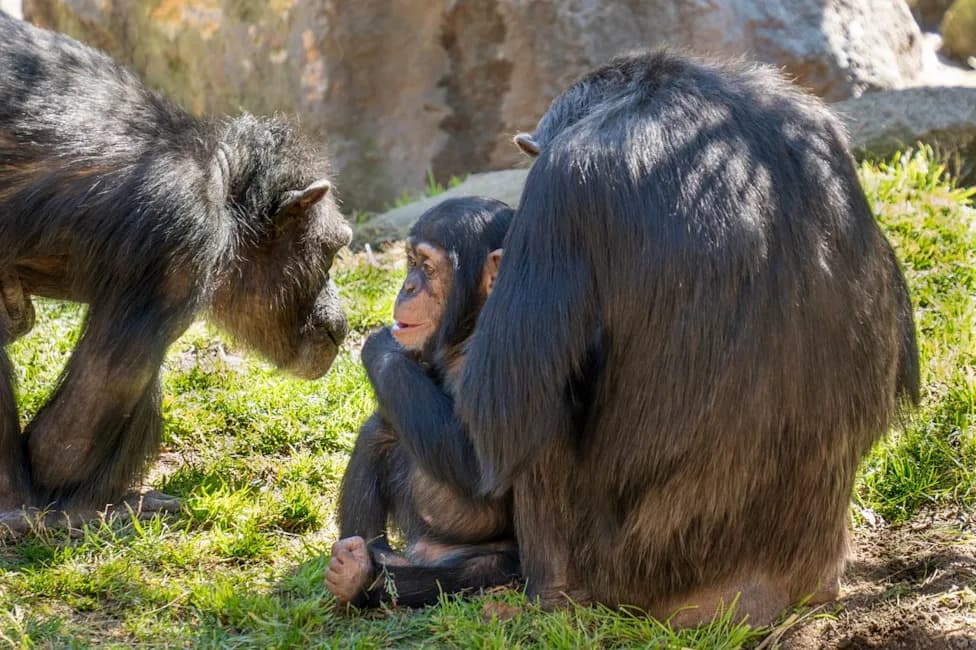
Researchers observed a rare and violent split within the Ngogo chimpanzee community in Kibale National Park, Uganda. Beginning around 2015, roughly 200 chimpanzees divided into two hostile factions; by 2018 most social ties had collapsed. Since then, teams have recorded coordinated raids, lethal attacks on adult males and infanticide. Scientists point to large group size, resource competition, leadership changes and a deadly respiratory outbreak as possible drivers, and they continue to monitor the population.
Deadly Split: Ngogo Chimpanzee Community Fractures Into Rival Factions in Uganda
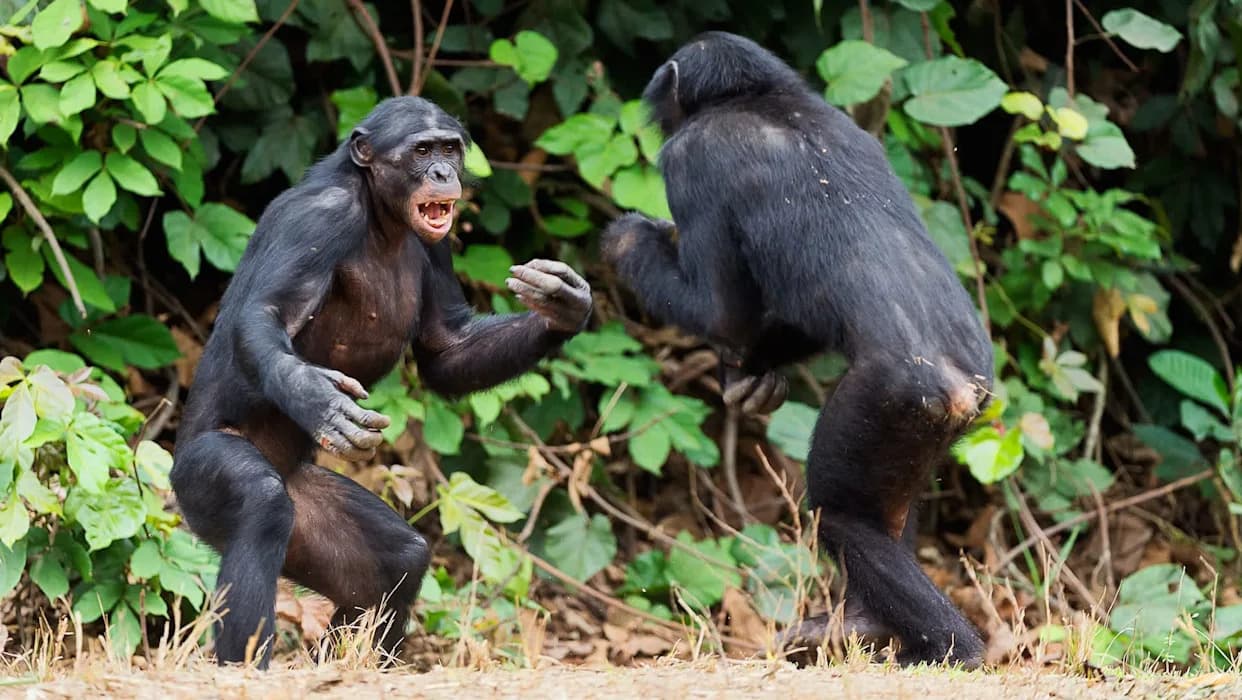
Photo Credit: iStock
Researchers have documented a rare and violent social collapse among wild chimpanzees at Ngogo in Uganda's Kibale National Park. A community once thought to be largely unified has fragmented into two hostile factions, producing coordinated raids, lethal attacks and episodes of infanticide.
The Ngogo community — one of the largest ever recorded, at roughly 200 individuals — began to fragment around 2015. Early signs were subtle: small cliques and an especially close trio of adult males who strengthened their alliances. Over the following years those cleavages widened, and by 2018 the remaining social ties between subgroups had broken down.
Escalation Into Lethal Violence
Field teams have since documented organized raids, fatal attacks on adult males and the killing of infants. "After they split into two groups, chimps from one group began attacking and killing those from the other group, and that turned into an escalated period of lethal violence," anthropologist Aaron Sandel told Live Science.
"I'm sort of nervous about calling it civil war," Sandel added. "Civil war means something very specific when we talk about humans, and chimps don't have nations and things like that, but there's an important conceptual point when thinking about war against strangers versus civil war. These are chimps that know each other."
Possible Triggers
Researchers do not yet know which factor—or combination of factors—set off the breakdown. The study highlights several plausible contributors:
- Unusually large group size, which can strain social cohesion;
- Increased competition for food and mates;
- Shifts in leadership and social structure;
- A respiratory disease outbreak that killed dozens of individuals, weakening bonds and population resilience.
Any of these pressures alone—or acting together—could have eroded cooperative relationships and made violent conflict more likely.
Wider Implications
Ngogo offers a stark example of how fragile social systems can be when environmental or demographic pressures rise. As ecosystems worldwide face warming, habitat loss and other stresses, similar dynamics—heightened competition and fraying cooperation—may appear in other animal populations and, by analogy, in human communities.
"Our evolutionary past does not determine our future," evolutionary anthropologist James Brooks told Live Science, emphasizing that understanding such events can help inform how societies respond to ecological and social stressors.
Researchers continue to monitor Ngogo to better reconstruct the timeline from the initial split around 2015, the collapse of ties by 2018, and the subsequent wave of lethal encounters. Ongoing study aims to clarify causes and to inform conservation strategies for chimpanzees living under increasing ecological strain.
Help us improve.