
President Trump is sending JD Vance, Steve Witkoff and Jared Kushner to Islamabad this weekend for mediated talks with Iran aimed at securing a permanent ceasefire. The White House confirmed the delegation and said talks begin Saturday amid doubts that a two-week truce announced Tuesday will hold. Press secretary Karoline Leavitt called reports of a renewed closure of the Strait of Hormuz "completely unacceptable" and said the U.S. will demand it be reopened immediately. Leavitt cautioned that ceasefires are fragile and that a lasting peace will take time to negotiate.
Trump Sends JD Vance, Steve Witkoff and Jared Kushner to Islamabad for Iran Ceasefire Talks as Truce Wobbles
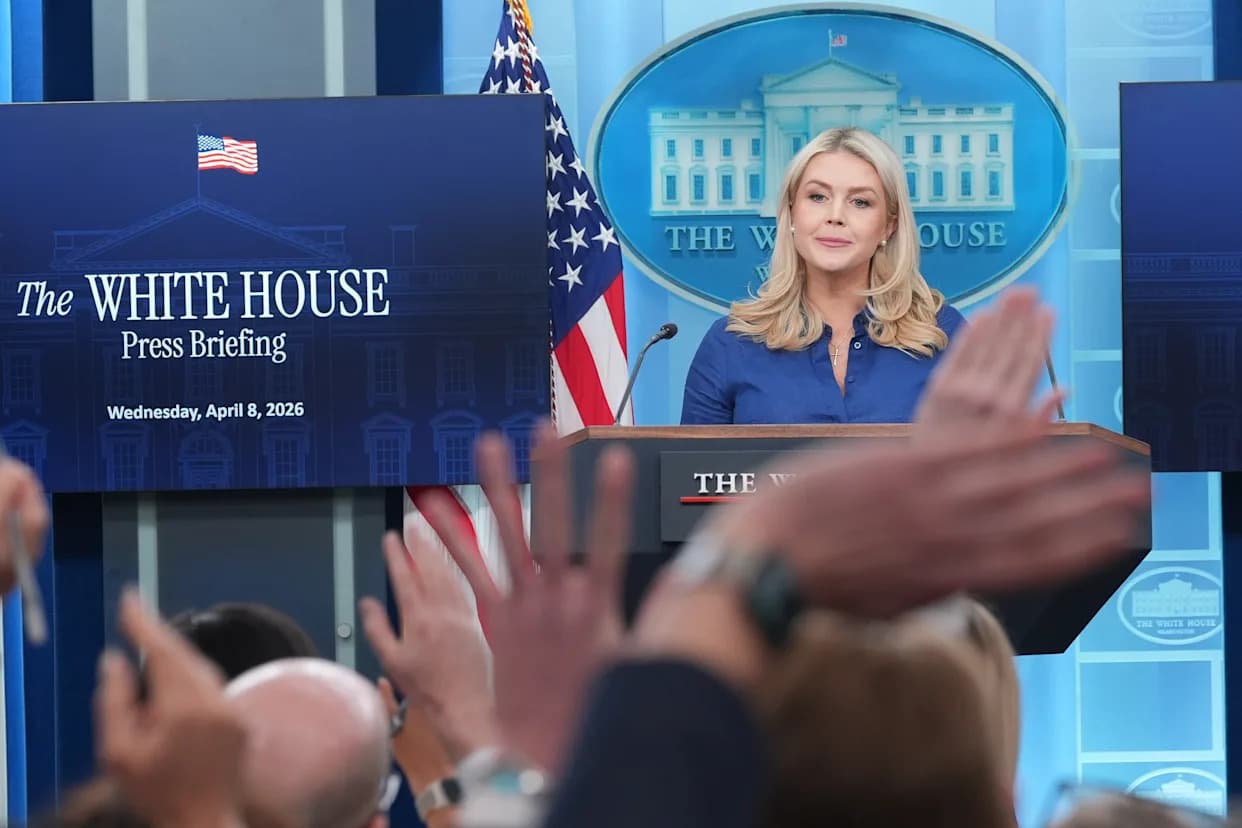
President Donald Trump is sending JD Vance, special envoy Steve Witkoff and Jared Kushner to Islamabad this weekend for mediated talks with Iranian representatives aimed at negotiating a lasting ceasefire, the White House announced Wednesday.
White House press secretary Karoline Leavitt confirmed that the U.S. delegation will attend talks in Pakistan's capital beginning Saturday morning local time, a move that comes amid growing skepticism over whether a two-week ceasefire announced Tuesday will hold.
Who Is Attending
Leavitt said the delegation will include JD Vance, Steve Witkoff and Jared Kushner, the president's son-in-law and former senior White House adviser. The talks in Islamabad are intended to be mediated discussions to try to cement a permanent truce.
Key Issues and U.S. Position
Leavitt rejected Iranian media reports that Tehran had again closed the Strait of Hormuz in response to Israel's intensified strikes on Lebanon, calling any such blockade "completely unacceptable." She said the administration will press Iran to reopen the strait immediately and without limitation.
Leavitt: "The president wants to see the strait reopened immediately without limitation, and that's something we're going to hold them to."
She also clarified that Lebanon is not part of the temporary ceasefire agreement—a point that appears to separate U.S. and Iranian positions. Leavitt added that the nearly six-week operation has "achieved and exceeded its core military objectives," while cautioning that ceasefires are fragile and that negotiating a long-term truce will take time.
Outlook
The Islamabad talks represent a diplomatic effort to stabilize the region and convert a short-term pause in hostilities into a durable settlement. Observers will watch whether Pakistan's mediation can bridge gaps between U.S. and Iranian positions, particularly on the scope of any ceasefire and maritime security in the Strait of Hormuz.
Help us improve.





















