
The United States and Iran agreed to a two-week ceasefire focused on reopening the Strait of Hormuz, calming oil markets and pausing U.S. bombing operations, though isolated attacks reportedly continued while the agreement was communicated. OpenAI released a policy paper proposing measures such as a Public Wealth Fund, sparking debate about universal basic income and corporate influence on policy. Anthropic blocked public access to its Claude Mythos Preview model and created a 40-company consortium, Project Glasswing, to let security teams find and patch vulnerabilities. Policymakers will monitor upcoming talks and weigh AI governance and cybersecurity risks.
Two-Week Ceasefire Between U.S. and Iran Calms Markets — AI Firms Stir Policy Debate
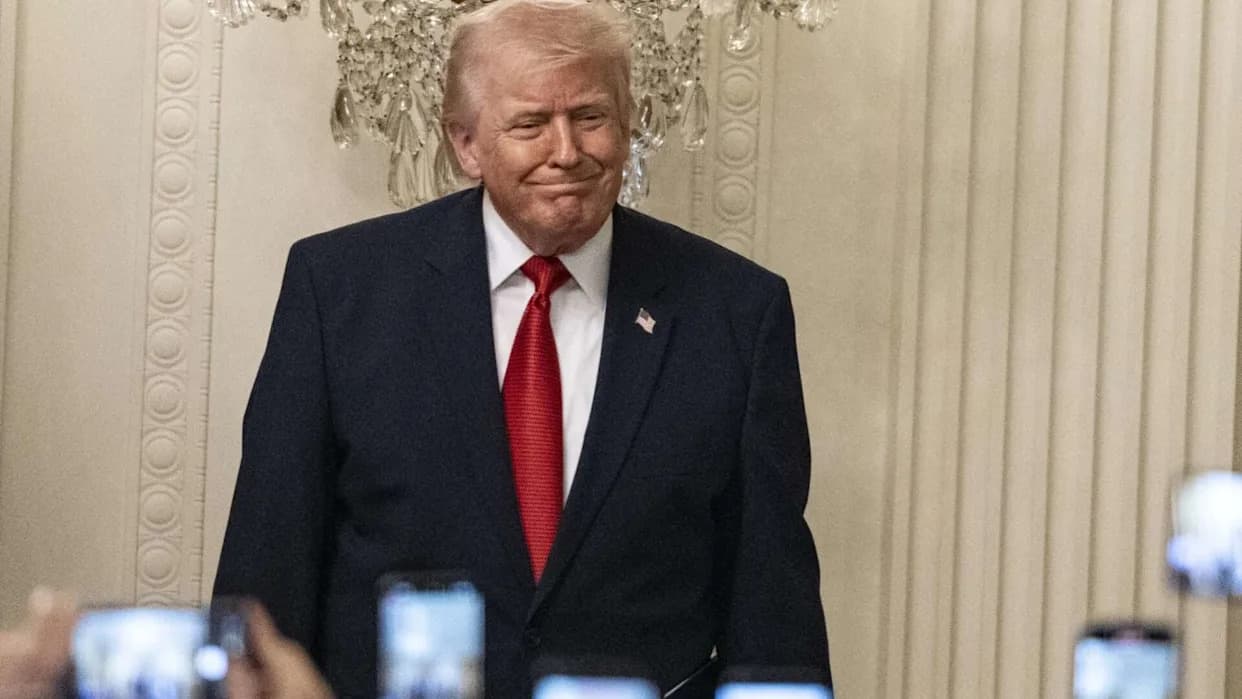
Ceasefire
President Donald Trump agreed late last night to a two-week ceasefire with Iran after warning earlier in the week that without a deal "a whole civilization will die." Israel signed on to the agreement but said the pact does not cover its separate conflict with the Iran-backed group Hezbollah.
Ceasefire and the Strait of Hormuz
The accord hinges on what Mr. Trump described as "the COMPLETE, IMMEDIATE, and SAFE OPENING of the Strait of Hormuz." According to CNN, Iran committed to reopen the strategic waterway for commercial passage, with Iran's military overseeing transit. Some outlets say Tehran may consider charging a toll for ships transiting the channel, though details remain unclear.
At a morning press briefing, Defense Secretary Pete Hegseth declared the United States had achieved a "decisive military victory," saying U.S. strikes severely degraded Iranian missile capabilities. The announcement helped calm global markets: oil, which had surged toward $150 a barrel amid the escalation, fell sharply after the ceasefire news and stock futures rose.
U.S. officials say the American bombing campaign has paused under the ceasefire, but several reports indicated Iranian strikes continued in some areas overnight — likely because local commanders had not yet received word of the agreement. A new round of U.S.-Iran talks is scheduled for later this week, and U.S. military leaders warned airstrikes could resume if negotiations fail.
AI and Industrial Policy
This week OpenAI published a wide-ranging policy paper, Industrial Policy for the Intelligence Age, invoking the Progressive Era and the New Deal as historical parallels for how policy might be reshaped by AI. The paper highlights potential benefits of AI while outlining risks: job disruption, misuse by bad actors, misaligned systems, democratic erosion, and concentration of power and wealth.
One prominent proposal is a "Public Wealth Fund" intended to give "every citizen — including those not invested in financial markets — a stake in AI-driven economic growth." The idea evokes Alaska's Permanent Fund and has drawn comparisons to universal basic income (UBI). The column's author expresses skepticism about UBI's cost and mixed empirical results from targeted cash experiments, citing Kelsey Piper's August 2025 essay, "Giving People Money Helped Less Than I Thought It Would." The writer also warns that AI firms may use such policy arguments to seek subsidies or tax advantages.
Anthropic, Claude Mythos Preview, and Project Glasswing
Anthropic announced it will not release its frontier model, Claude Mythos Preview, to the general public, saying internal tests showed the model could find critical security vulnerabilities across widely used software. Instead, the company is granting access to a 40-company consortium, Project Glasswing, so security professionals can identify and patch issues before broader exposure.
Anthropic's claims align with warnings from AI security researchers about rapidly advancing models. The company's earlier clash with the Pentagon — which had designated Anthropic a supply-chain risk until a judge recently blocked that designation — adds context to the announcement. Journalist Kevin Roose noted the model's behavior reads like science fiction, prompting quips comparing it to cyberpunk fiction.
Quick Vignettes From Washington and Tech
- A 2024 Reason documentary by Justin Zuckerman reportedly criticized Washington, D.C.'s tipped-wage initiative as harmful to restaurants and workers; Maryland lawmakers are reportedly eyeing similar reforms.
- The New York Times published a long investigation into bitcoin's creator, pointing to British computer scientist Adam Back, an early Cypherpunk whose libertarian views mirror Satoshi Nakamoto's stated preferences for smaller government and fewer restrictions.
- Security and tech notes: the CIA is reported to detect human heartbeats using AI combined with magnetic sensors, Iranian hackers appear to be probing U.S. utility infrastructure, and California's long-delayed high-speed rail project remains massively over budget and behind schedule.
What Comes Next
Markets will closely watch the upcoming U.S.-Iran talks for signs the ceasefire can be extended or made permanent. At the same time, policymakers and security experts will be grappling with AI governance questions raised by OpenAI's proposals and Anthropic's security claims.
Bottom line: A fragile pause in hostilities has eased immediate economic pressure, but diplomatic and security risks persist — and rapid advances in AI are bringing fresh policy and cybersecurity challenges.
Help us improve.





















