
During a seven-hour lunar flyby on April 6, NASA’s Artemis II astronauts photographed the Moon’s far side, capturing the full Mare Orientale multi-ring impact basin and other previously unseen terrain. The crew documented impact craters, lava flows, fractures and reported six meteor impact flashes. They observed a smooth interior within Vavilov crater, examined the vast South Pole–Aitken basin (~1,600 miles wide), and experienced a 53-minute solar eclipse followed by an Earthrise. The images will help scientists study the Moon’s geology and impact history.
NASA’s Artemis II Releases First Full Photos of the Moon’s Far Side — Mare Orientale Captured in Detail
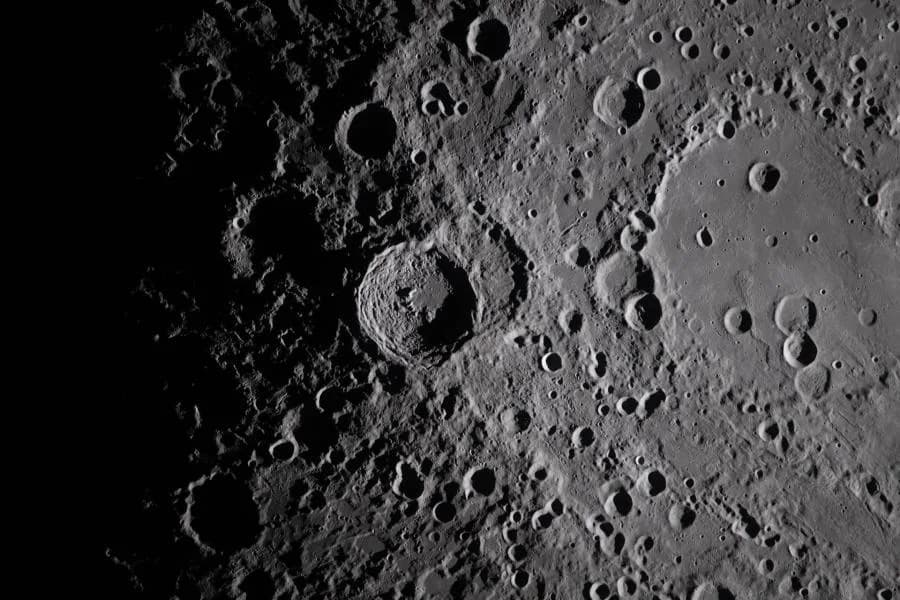
Images captured by NASA’s Artemis II astronauts during a seven-hour lunar flyby on April 6 provide the clearest human view yet of the Moon’s far side, revealing dramatic geological features and transient events not previously documented in full.
New Views of a Hidden Hemisphere
For the first time, the crew photographed the entire Mare Orientale, a striking multi-ring impact basin roughly 600 miles (about 965 km) across. Mare Orientale formed from a massive impact early in the Moon’s history and was later modified by volcanic lava flows, producing the distinctive concentric rings visible in the new images.
Detailed Geological Observations
During the flyby the astronauts documented numerous impact craters, ancient lava flows and surface fractures. They reported six meteor impact flashes on the darkened lunar surface, providing rare real-time evidence of ongoing meteoroid activity.
The crew also noted contrasting terrain textures: a relatively smooth floor inside Vavilov crater versus much rougher, more fractured terrain surrounding it. In addition, they observed the South Pole–Aitken basin, a vast structure about 1,600 miles across and one of the largest known impact basins in the solar system.
Rare Eclipse and Dramatic Earthrise
While passing behind the Moon, Artemis II experienced a roughly 53-minute solar eclipse—an extended period during which the Moon blocked sunlight from the spacecraft’s perspective—followed by a striking Earthrise as Earth came back into view.
Mission status: Artemis II is expected to splash down off the coast of San Diego at 5:07 p.m. on Friday, concluding this historic crewed lunar circuit. NASA has released the photos to support ongoing scientific study of impact processes, volcanic activity and the Moon’s crustal structure.
These images expand the archive available to researchers and could yield new insights into the Moon’s geological history and the dynamics of meteoroid impacts.
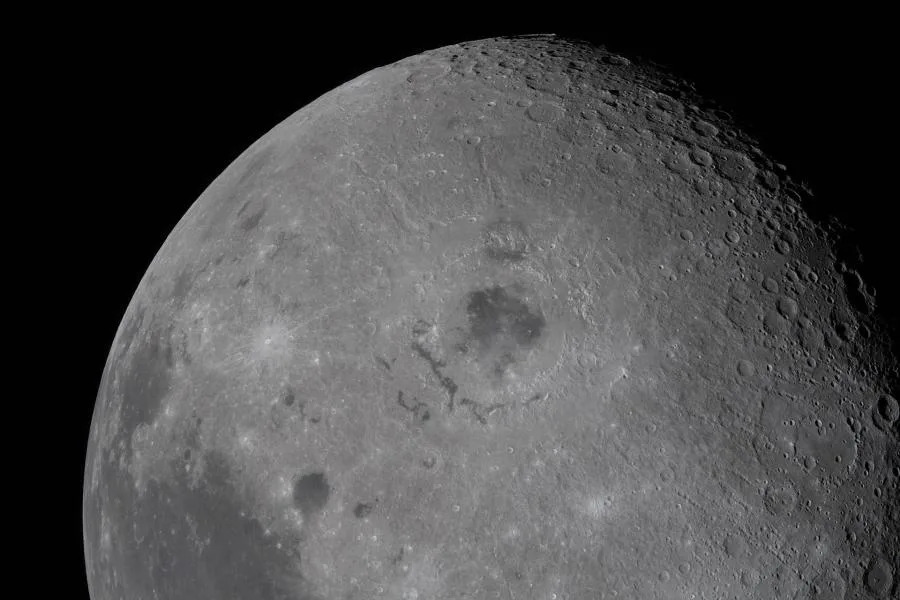
Orientale basin is visible in the center, with a black patch of ancient lava in the center that punched through the Moon’s crust in an eruption billions of years ago (NASA).
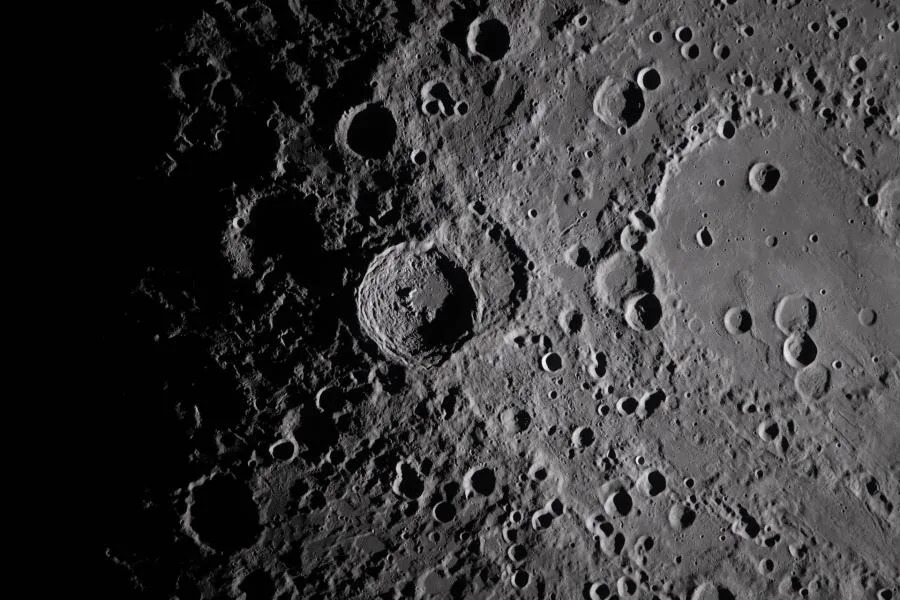
A close-up view taken by the Artemis II crew of Vavilov Crater. The right portion of the image shows the transition from smooth material within an inner ring of mountains to more rugged terrain around the rim (NASA).
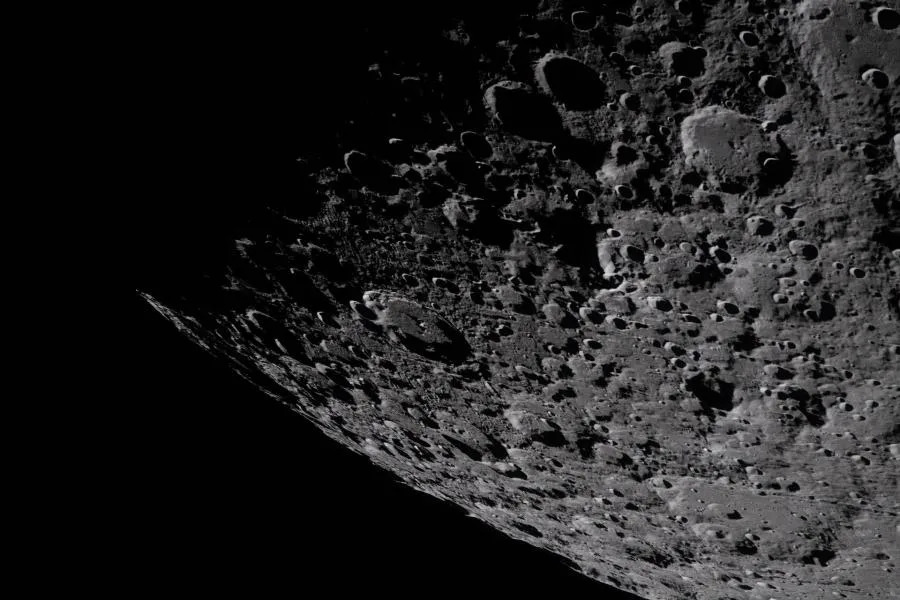
The South Pole-Aitken basin is the largest and oldest basin on the Moon, providing a glimpse into an ancient geologic history built up over billions of years (NASA).
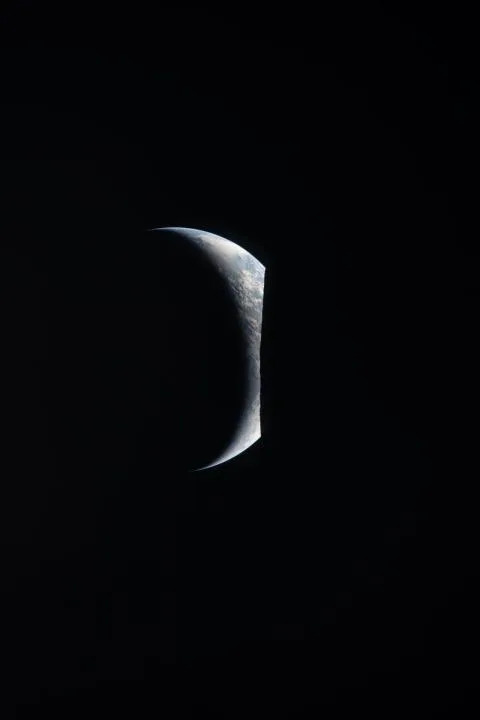
Earthrise reveals a striking alignment of Earth and Moon, with the Moon in the top foreground and the Earth below (NASA).
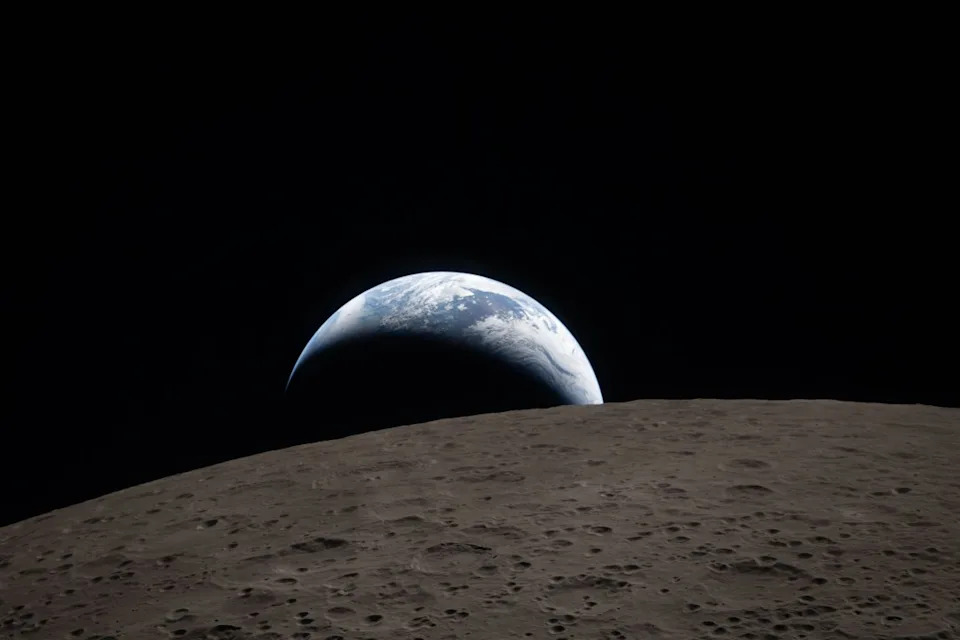
Earthset captured through the Orion spacecraft window at 6:41 p.m. EDT during the Artemis II crew’s flyby of the Moon (NASA).
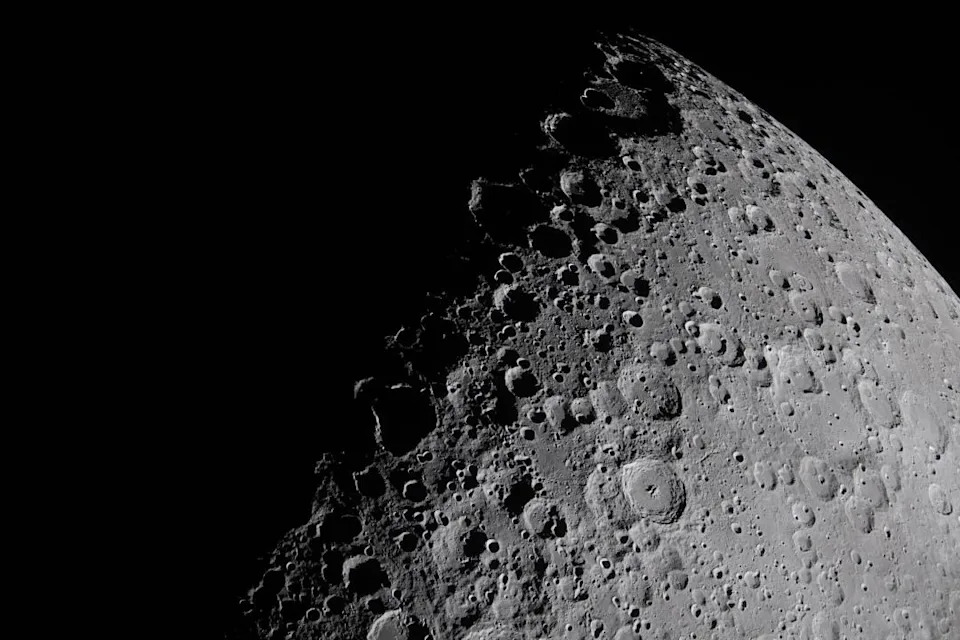
The Artemis II crew captures a portion of the Moon coming into view along the terminator – the boundary between lunar day and night (NASA).
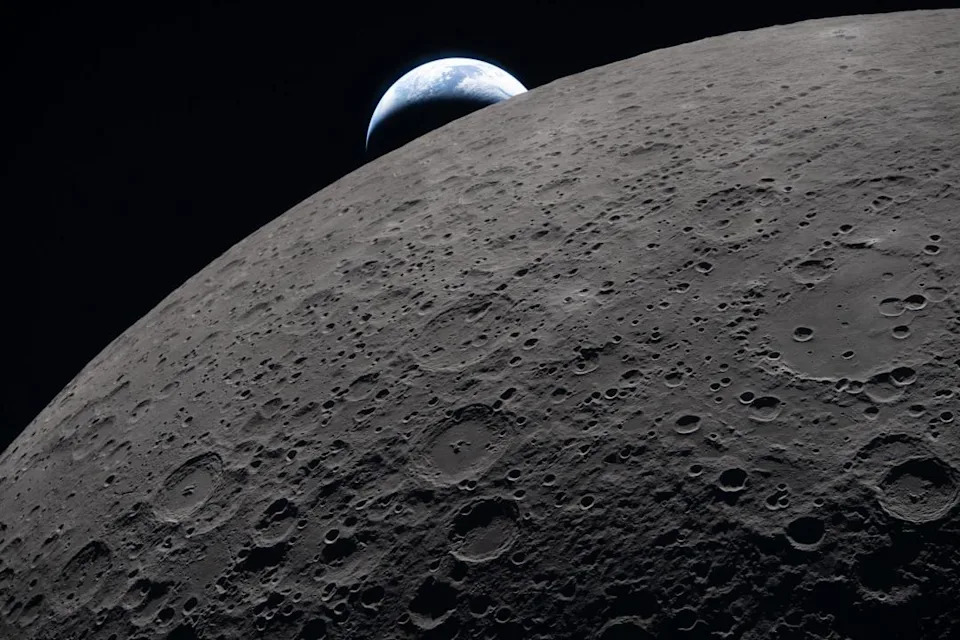
The lunar surface fills the frame in sharp detail, as seen during the Artemis II lunar flyby, while a distant Earth sets in the background. This image was captured at 6:41 p.m. EDT, on April 6, 2026, just three minutes before the Orion spacecraft and its crew went behind the Moon and lost contact with Earth for 40 minutes before emerging on the other side (NASA).
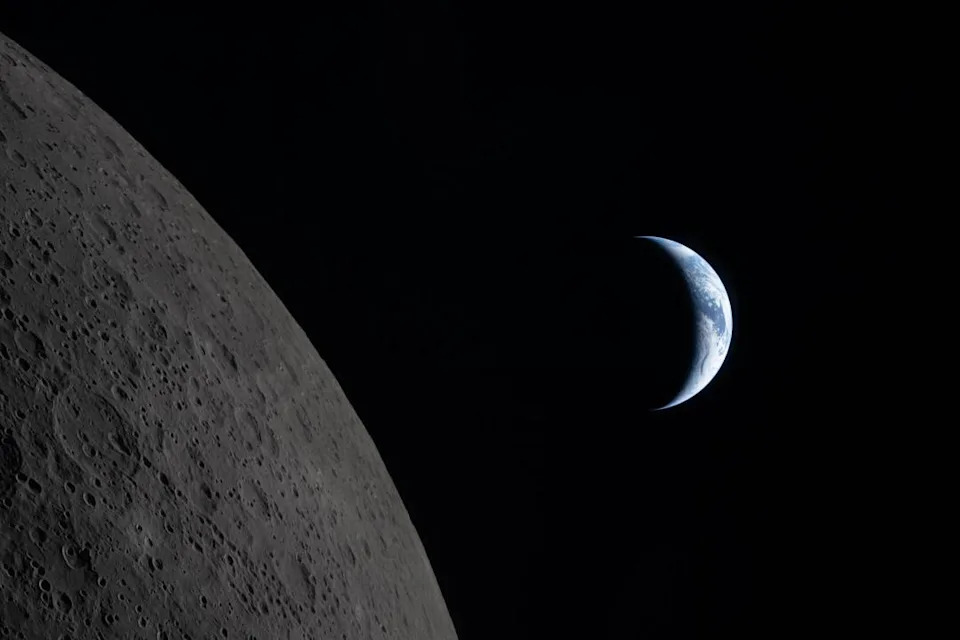
Our planet draws closer to passing behind the Moon in this image captured by the Artemis II crew during their lunar flyby, about six minutes before Earthset (NASA).
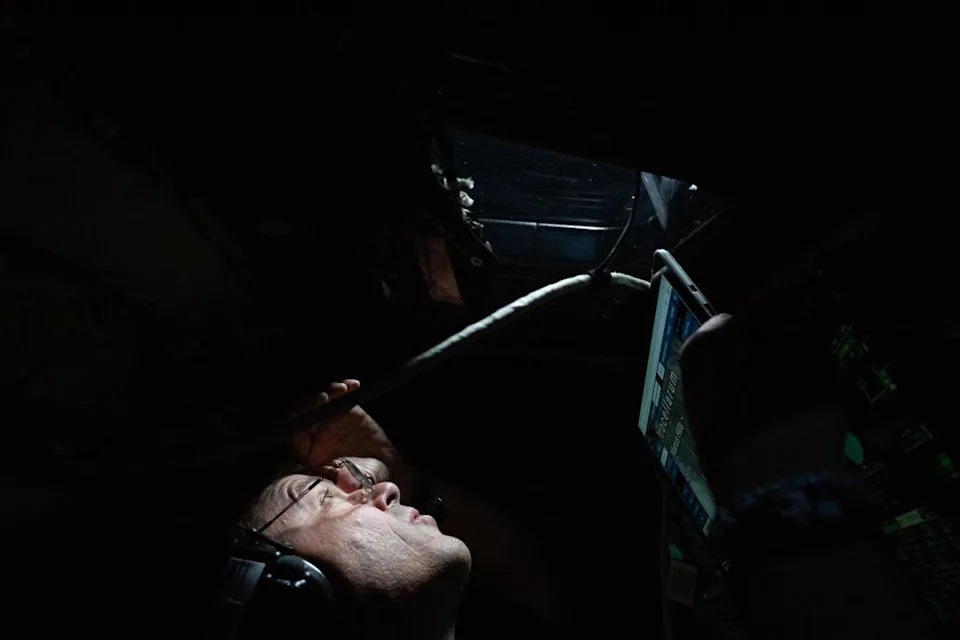
Artemis II Commander Reid Wiseman peers out the window of the Orion spacecraft just as his first lunar observation period of the day begins (NASA).
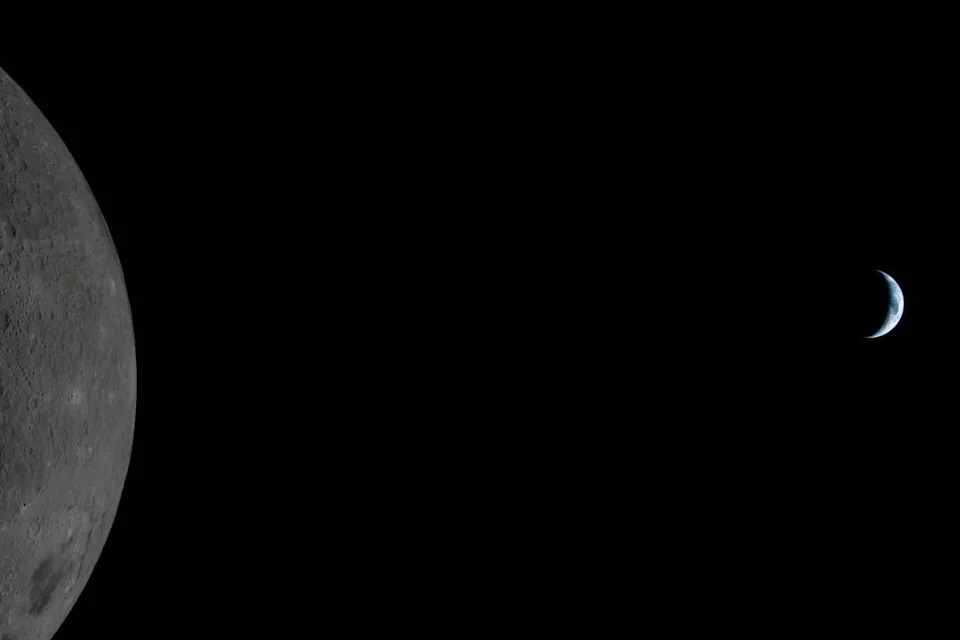
Taken 36 minutes before Earthset, our home planet is visible in the blackness of space off the limb of the illuminated Moon. Earth is in a crescent phase, with sunlight coming from the right. Orientale mare basin, with its dark floor of cooled lava and outer rings of mountains, covers nearly the lower third of the imaged lunar surface (NASA).
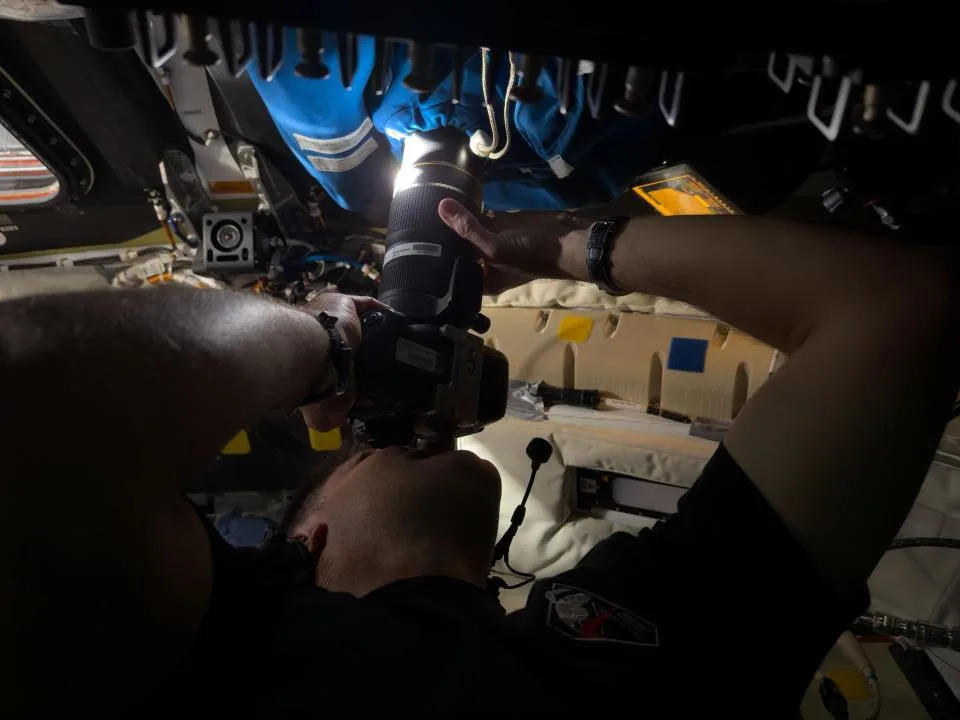
Astronaut Jeremy Hansen captures an image through the camera shroud covering window 2 of the Orion spacecraft. The camera shroud, essentially a curtain with a hole for the lens to pass through, is used to prevent light from the cabin from reflecting on the windowpanes (NASA).
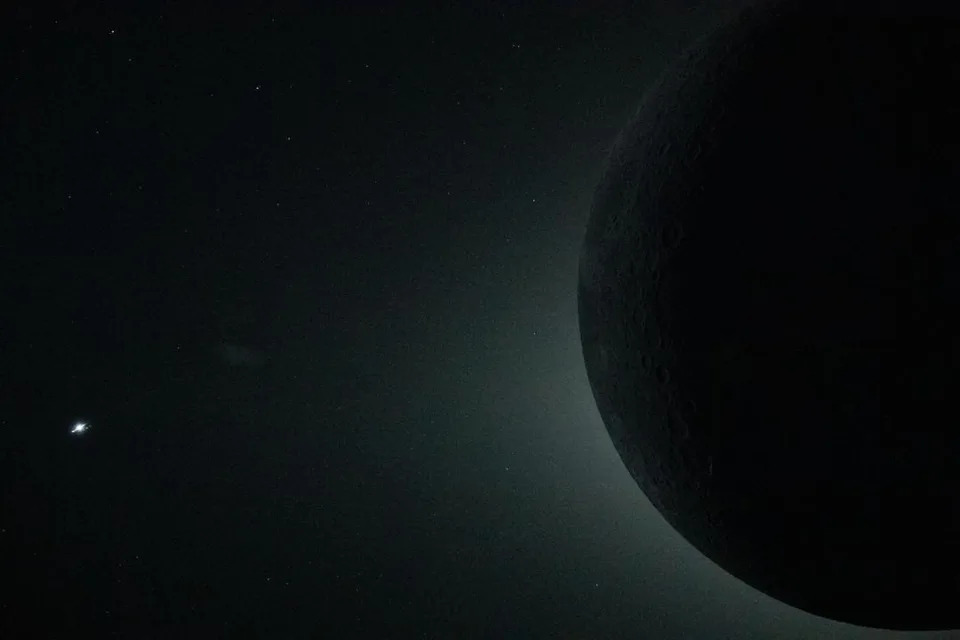
A close-up view from the Orion spacecraft during the Artemis II crew’s lunar flyby on April 6, 2026, captures a total solar eclipse, with only part of the Moon visible in the frame as it fully obscures the Sun. Although the full lunar disk extends beyond the image, the Sun’s faint corona remains visible as a soft halo of light around the Moon’s edge (NASA).
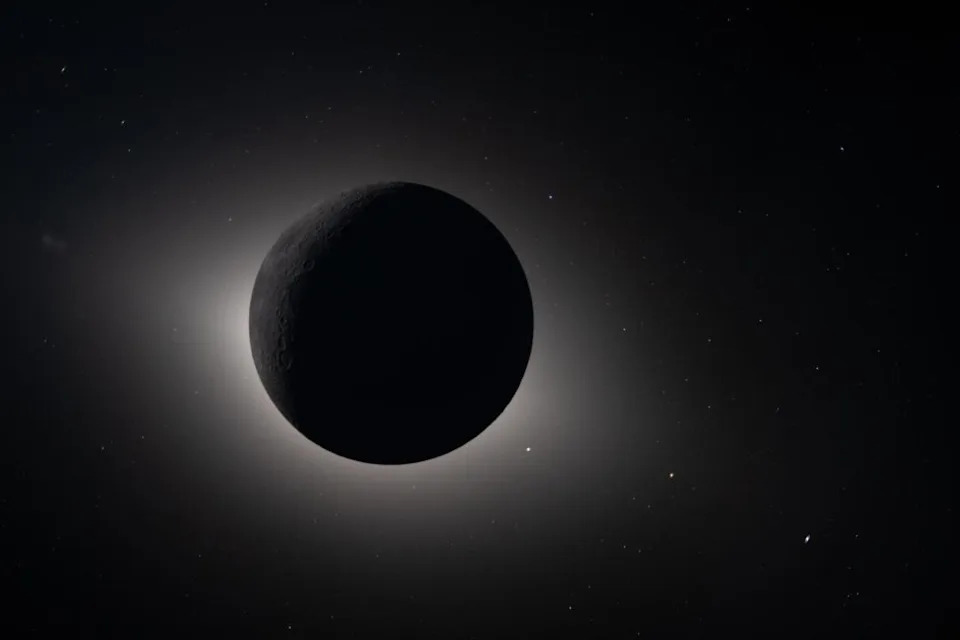
The faint glow of the nearside of the Moon is visible in this image, having been illuminated by light reflected off the Earth (NASA).
Help us improve.





















