
The United States, Iran and Israel agreed a last-minute two-week ceasefire, with Islamabad to host talks starting Friday after Tehran agreed to temporarily reopen the Strait of Hormuz. Key elements include coordinated safe passage through Hormuz, possible transit fees for Iran and Oman, and a ten-point Iranian proposal seeking sanctions relief, reconstruction funds and recognition of limited uranium enrichment. The pause sparked celebrations but also skepticism, while oil fell below $100 a barrel amid ongoing uncertainty. The next 14 days are widely viewed as decisive for whether diplomacy will hold.
Two-Week Truce Reached — US, Iran and Israel Pause Hostilities as Strait of Hormuz Reopens; Islamabad to Host Talks
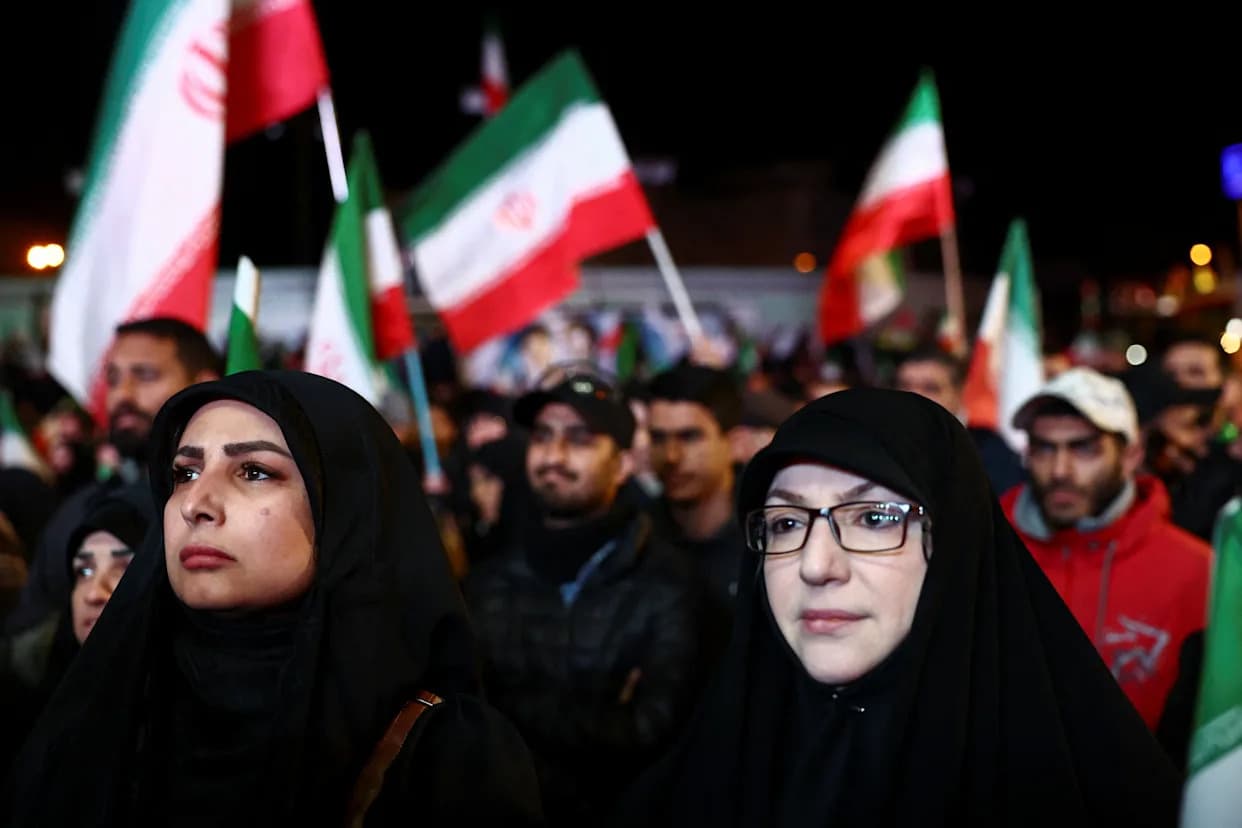
People gather after a two-week ceasefire in the Iran war was announced, in Tehran, Iran [Majid Asgaripour/WANA/Reuters]
A last-minute diplomatic breakthrough has produced a two-week ceasefire between the United States, Iran and Israel, with formal talks set to begin in Islamabad on Friday. The agreement — concluded hours before a US deadline to escalate hostilities — requires Iran to temporarily reopen the Strait of Hormuz while parties enter mediated negotiations.
Terms of the Ceasefire
Safe Passage: Iran said its armed forces will coordinate safe transit through the strategically vital Strait of Hormuz for 14 days. Under the arrangement, Iran and Oman may levy transit fees on vessels, with Tehran saying it will use revenues for post-war reconstruction.
Talks and Mediation: Pakistan’s prime minister mediated the breakthrough and will host talks in Islamabad. Iran has tabled a ten-point proposal that reportedly seeks sanctions relief, a war-loss compensation fund, possible US troop reductions in the Gulf, and formal recognition of a limited right to enrich uranium in exchange for a pledge not to develop nuclear weapons. It is not yet clear which, if any, items the United States has accepted.
Regional Reactions And Developments
The ceasefire prompted street celebrations in Tehran and Baghdad and public statements from Iranian leaders framing the pause as a diplomatic win. At the same time, many observers and some citizens expressed skepticism, warning the pause could be used by combatants to regroup.
Israel confirmed its participation in the truce framework but stressed the agreement does not extend to Lebanon, where it continues operations against the Iran-backed group Hezbollah. Israeli authorities also reported several injuries in northern Israel after missile and rocket strikes in the days before the ceasefire took effect.
Incidents And Security Concerns
The Israeli military acknowledged that an overnight strike targeting a senior Iranian commander caused “collateral damage” to a synagogue in Tehran and expressed regret. In Iraq, strikes just before the truce killed at least seven people, including two children, according to Iraqi officials. Hezbollah reposted a hardline message from the late Ayatollah Khamenei and warned of continued resistance.
Gulf states — including Kuwait, Bahrain, Qatar, Saudi Arabia and the United Arab Emirates — issued alerts and activated air defences in the run-up to the ceasefire announcement. Bahrain also said it contained a fire at an unnamed facility with no reported injuries.
Political And Economic Fallout
White House officials framed the ceasefire as a deliberate tactic to create leverage for tougher diplomacy. Donald Trump suggested China may have helped persuade Iran to enter talks. Analysts cautioned that the pause is fragile: the next 14 days will determine whether negotiations lead to a substantive settlement or merely a temporary lull.
Markets reacted quickly: crude oil prices fell below $100 a barrel after the announcement as fears of a prolonged supply disruption eased, though prices remained well above pre-crisis levels.
Other Notable Items
An American journalist, Shelly Kittleson, was released in Iraq after her kidnappers said she must leave the country immediately. Separately, the prediction market Polymarket came under scrutiny after an anonymous user reportedly profited about $400,000 by betting correctly on the timing of US action and the ceasefire, raising questions about potential insider information.
Analyst Perspective: Commentators describe the truce as a narrow diplomatic window. Some call it a strategic retreat that buys time for negotiation, while cautioning that underlying tensions and leverage — especially Iran's ability to disrupt Hormuz — remain intact.
The ceasefire marks a fragile step toward de-escalation. Observers will be watching the Islamabad talks closely for signs that the temporary pause can be converted into a durable diplomatic settlement.
Help us improve.





















