
Short Summary: NASA’s Artemis II faces its most hazardous phase as Orion prepares for a steeper, untested re‑entry using an earlier Avcoat heat shield that shed material during Artemis I. The upgraded, more permeable Avcoat was not installed for Artemis II, so NASA relies on modelling and a modified trajectory to reduce time in peak heating. Inspectors and experts warn residual risks — debris, potential parachute damage and unproven flight conditions — could endanger splashdown.
Artemis II Faces Perilous, Untested Re‑Entry as Heat‑Shield Concerns Persist
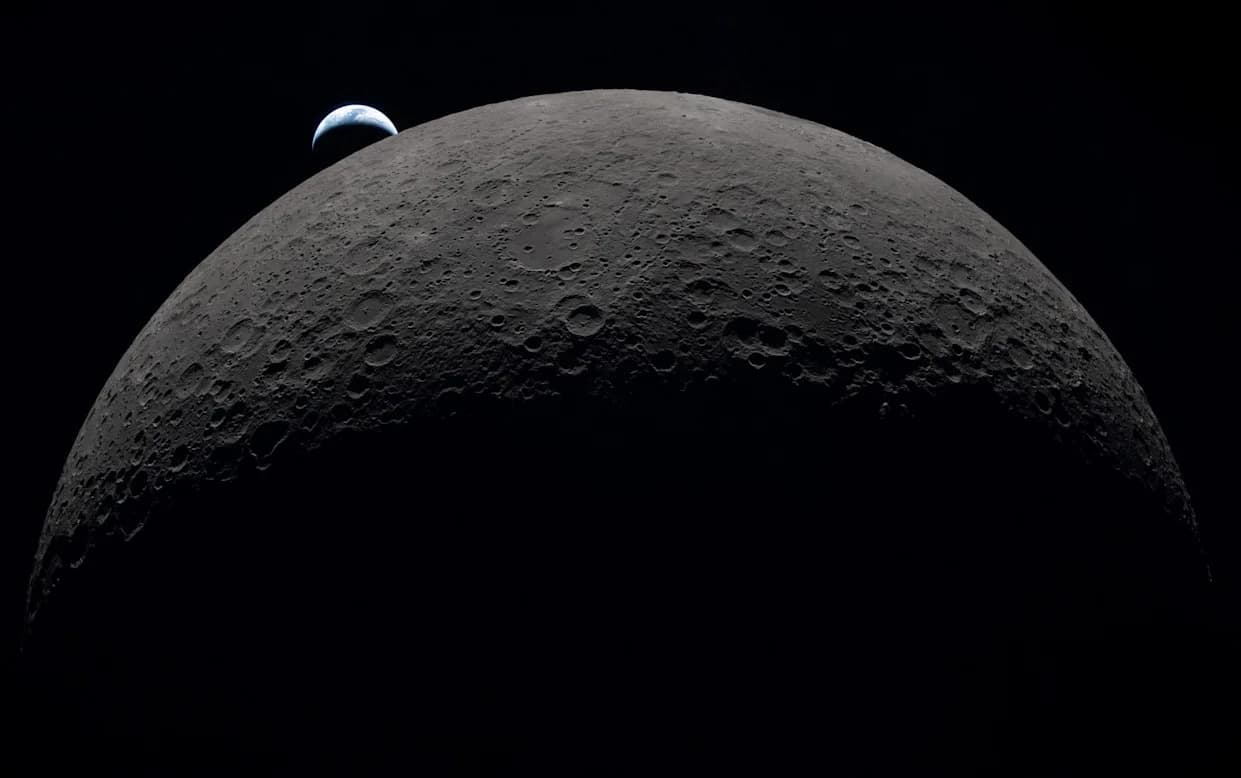
A photo taken from the Orion capsule showing the Moon and, more than 250,000 miles away, the Earth - Reuters
NASA’s Artemis II crew has flown farther from Earth than any humans in history, but the riskiest moments lie ahead as the Orion capsule prepares to re‑enter the atmosphere. The mission will test an unproven re‑entry trajectory while relying on an earlier version of the Avcoat heat shield that behaved unpredictably during Artemis I.
Why Re‑Entry Is So Dangerous
Speed and heat: The 15‑ft by 9‑ft Orion capsule will strike the atmosphere heat‑shield‑first at nearly 25,000 mph — roughly seven miles per second — generating friction and pressure that raise surrounding air temperatures above 2,760°C.
The shield: A roughly 3‑inch layer of Avcoat (silica fibres bonded with epoxy in a fibreglass honeycomb) is designed to erode in a controlled way to carry heat away. During Artemis I in 2022, Avcoat shed chunks at more than 100 locations and several fasteners partially melted. NASA’s investigation concluded trapped gases inside the material produced cracking and "charred material to break off."
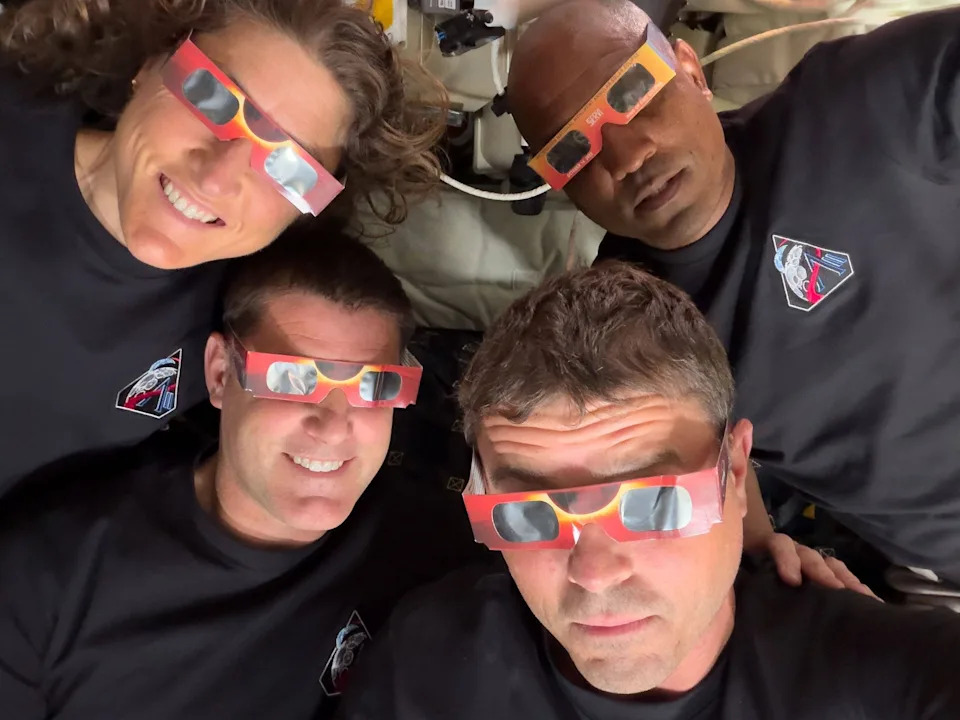
The safety of Christina Koch, Jeremy Hansen, Reid Wiseman and Victor Glover depends on their craft’s heat shield - AP
What NASA Changed — And What Remains
Engineers have redesigned Avcoat to be more permeable so gases can vent rather than build up. However, the upgraded material was not fitted to Artemis II, leaving the crew with the earlier formulation. Agency officials say analysis and flight data indicate the existing shield can protect the crew, but concerns remain.
“We did not expect pieces to be liberated from the vehicle,” said Amit Kshatriya, deputy associate administrator for NASA’s Moon to Mars programme, reflecting on the Artemis I findings.
To reduce total heating, NASA abandoned the "skip entry" used on Artemis I (which dipped briefly into the upper atmosphere and then out again) and chose a steeper, faster descent. That change shortens the time Orion spends in extreme heating but subjects the capsule to a single, intense re‑entry pulse rather than two milder ones.
That steeper trajectory and the interaction of heat flux, pressure and shear during re‑entry cannot be fully reproduced on the ground. As a result, NASA is depending on computer modelling and analyses rather than a prior flight test for the new flight profile.

The Orion crew witnessed a solar eclipse on Tuesday during their flyby of the Moon - AFP
Warnings From Inspectors and Experts
The NASA Office of Inspector General has warned that Avcoat’s unexpected behaviour "creates a risk that the heat shield may not sufficiently protect the capsule’s systems and crew." Charles Camarda, a former Space Shuttle astronaut and ex‑director of engineering at Johnson Space Center, has criticized NASA’s approach and urged better assurance that the modified plan reduces risk.
Parachutes and Splashdown
After the high‑heating phase, a precise sequence of 11 parachutes and drogues must deploy to slow and stabilise Orion to under 20 mph for splashdown. Inspectors have also flagged the possibility that liberated debris could strike the capsule and damage parachute components — a scenario that would threaten a safe landing.
Timeline and location: The final, high‑risk phase from atmospheric entry to splashdown will last about 16 minutes as Orion descends toward the Pacific off the California coast near San Diego, with splashdown planned for approximately 17:07 EDT (22:07 BST) on Friday, if all goes to plan.
Commander Reid Wiseman said the crew values NASA’s transparent approach to weighing options and managing risk. Yet the mission highlights the balance between moving human spaceflight forward and ensuring every known risk is as well mitigated as possible before lives re‑enter that narrow corridor between space and Earth.
Help us improve.





















