Case update: Tex McIver won a 2022 appeal allowing jurors to consider involuntary manslaughter and later pleaded guilty to that charge on Jan. 26, 2024, receiving an eight-year sentence; he was released in January 2025 with credit for time served. The original 25-day trial featured 70 witnesses and focused heavily on McIver’s behavior after his wife Diane’s death—calm demeanor, questions about Social Security, and the sale of her belongings—which prosecutors argued pointed to guilt. While some friends described an outpouring of grief, others found his conduct suspicious; the defense maintained grief can take many forms.
Tex McIver: Grief or Guilt? How His Post-Death Conduct Shaped the Case
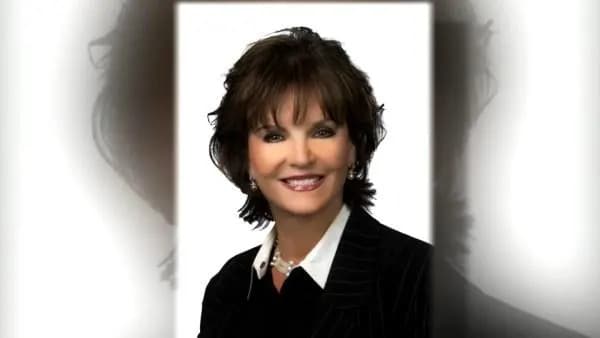
Diane McIver / Credit: CBS affiliate WGCL
Case update: Tex McIver won a 2022 appeal when the Georgia Supreme Court held that jurors should have been allowed to consider the lesser charge of misdemeanor involuntary manslaughter. On Jan. 26, 2024, McIver pleaded guilty to involuntary manslaughter and accepted an eight-year prison term. With credit for time served, he was released in January 2025.
The central question in this case is not simply who pulled the trigger, but what McIver's behavior after Diane's death revealed about his intent. McIver has maintained the shooting was a terrible accident; prosecutors argued that the pattern of his actions in the hours and days after her death pointed to guilt. A jury had earlier convicted him of felony murder, a verdict that carries a mandatory life sentence, a conviction later affected by the 2022 appeal.
Trial, Witnesses and the Focus on Conduct
The original murder trial lasted 25 days and the state called 70 witnesses. Many recounted their interactions with McIver in the immediate aftermath of Diane’s death. Witness testimony about his demeanor and subsequent choices became central evidence for prosecutors.
Behavior After the Shooting
Several witnesses described McIver as unusually calm. Dani Jo Carter, who was driving the couple home when the gun went off, testified that he did not "break down" and did not appear to be in shock. Two of Diane’s coworkers testified that within 48 hours McIver asked about collecting Diane’s Social Security benefits; one quoted him saying, "I wonder if I can collect her checks now." Other witnesses described McIver discussing job plans, condo renovations and selling Diane’s belongings days and weeks after the death.
"It just doesn't look right for a man who is supposed to be grievin' over the accidental death of his wife," said Chief Assistant District Attorney Clint Rucker during closing arguments.
Contrasting Testimony
Not everyone saw the same picture. Several friends testified to the couple’s deep affection for one another, and Rachel Styles—who helped coordinate the McIvers’ wedding—said she hugged McIver a few hours after Diane’s death while he was "crying uncontrollably." The defense also called Annie Anderson, the couple’s masseuse, who denied any sexual relationship with McIver, said she stayed to monitor him after the hospital anxiety attack, and disputed the prosecution’s suggestion of an affair as motive.
Why Post-Death Conduct Mattered
Because motive and intent are often inferred from behavior, prosecutors used McIver’s post-death conduct—what he said and did in private conversations and how he handled Diane’s estate—to paint a picture of someone who may have benefited from her death. The defense argued that grief is unpredictable and that the prosecution was trying to manufacture a motive by implying an affair.
The case underscores how jurors can weigh character, actions and optics alongside forensic and eyewitness evidence. After the appellate decision in 2022, the case ultimately resolved with McIver’s guilty plea to involuntary manslaughter in 2024 and his subsequent release in 2025 after credit for time served.
Help us improve.