
The sun produced an X1.4-class solar flare on March 30 that launched a partial-halo CME toward Earth, increasing geomagnetic activity for the next 48 hours. NOAA expects minor (G1) storm conditions tonight, with a chance of escalation to moderate (G2) by Tuesday if the CME arrives. If activity strengthens, auroras could reach parts of the northern U.S., including New York, Wisconsin and Washington. Observers should seek dark, elevated north-facing locations, allow 20 minutes for eyes to adjust, and use long exposures or Night/Pro Mode for photos.
How to See Tonight’s Northern Lights — X1.4 Solar Flare Could Bring Auroras Into the Northern U.S.
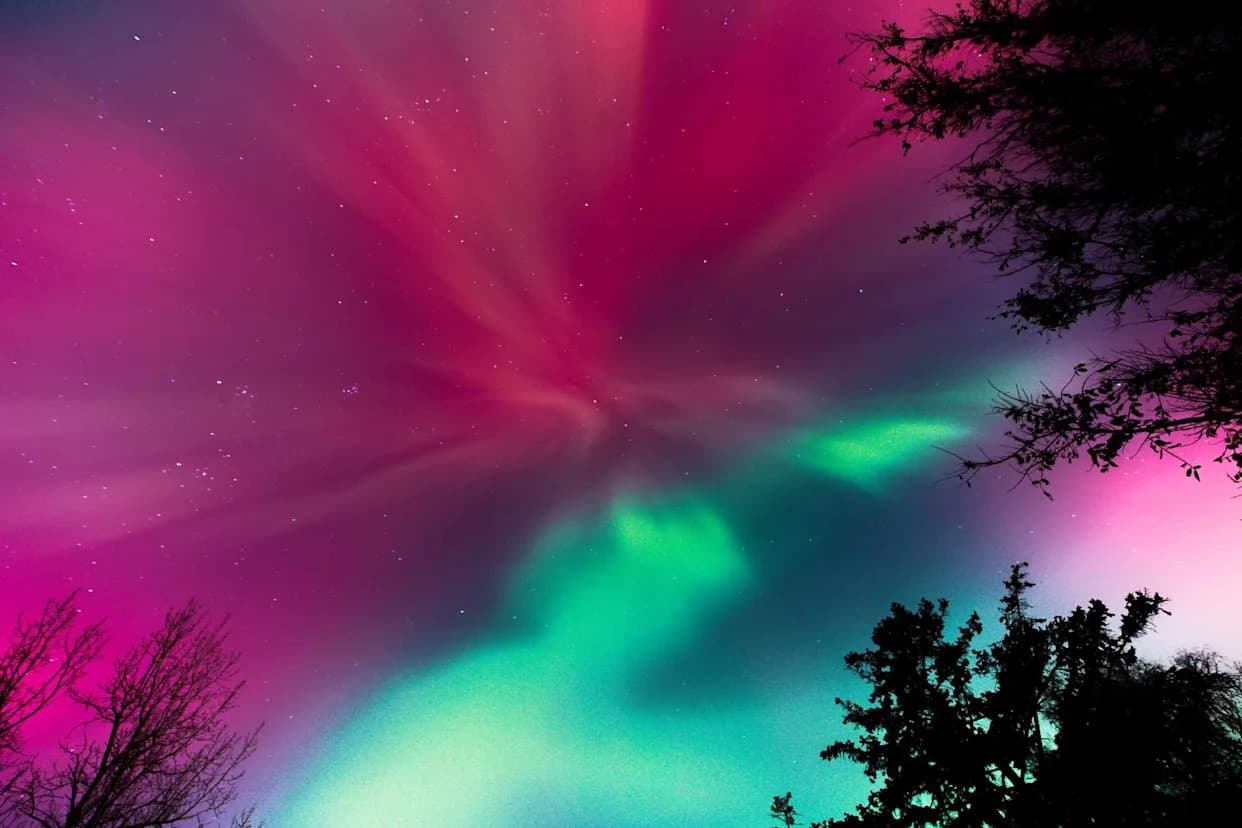
The aurora borealis in November 2025Credit: Steven Garcia/NurPhoto/Shutterstock
A powerful solar event on March 30 may make tonight a great opportunity to see the northern lights (aurora borealis). Forecasters say an X1.4-class solar flare launched a partial-halo coronal mass ejection (CME) toward Earth, triggering elevated geomagnetic activity that could intensify over the next 48 hours.
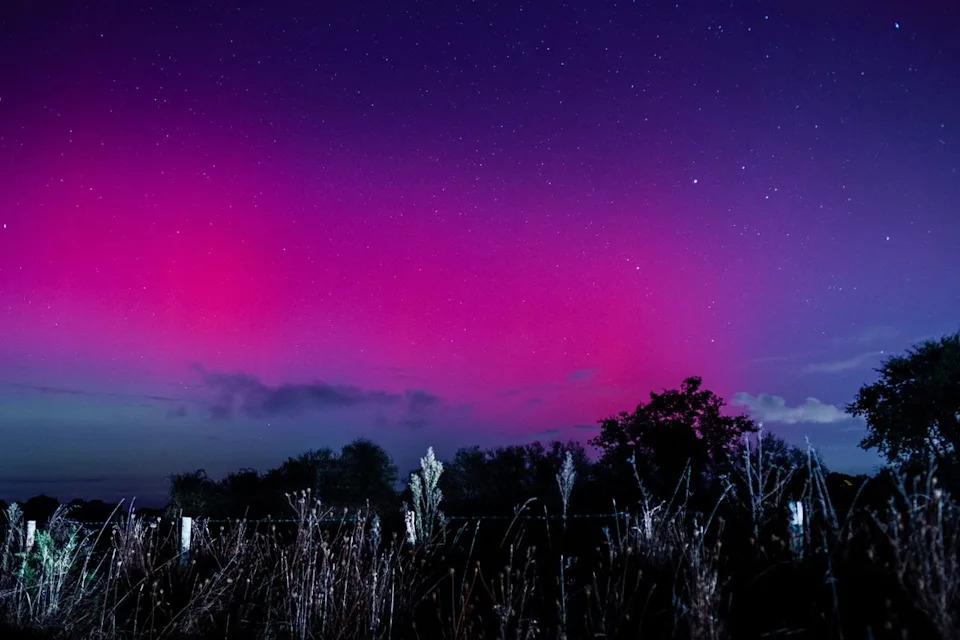
Pink aurorasCredit: MAYLIS ROLLAND/Hans Lucas/AFP via Getty
What Happened
The NOAA Space Weather Prediction Center detected an X1.4 flare on March 30 that caused strong dayside radio blackouts and propelled a partial-halo CME into space. That CME could interact with Earth's magnetic field when it arrives, producing enhanced auroral activity.
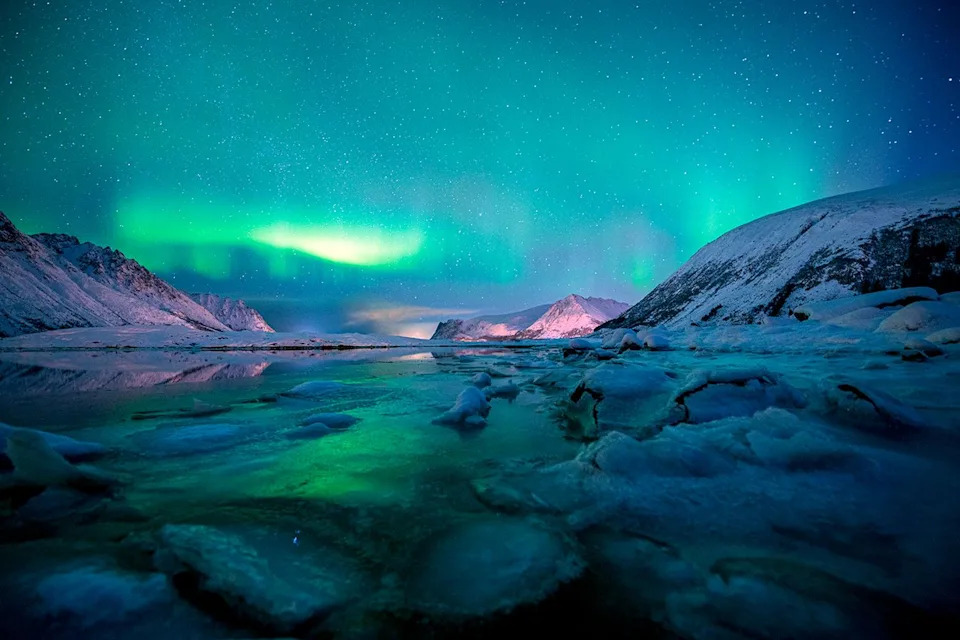
The northern lightsCredit: Getty
What To Expect Tonight
NOAA currently expects minor (G1) geomagnetic storm conditions tonight, with the possibility of the disturbance escalating to moderate (G2) on Tuesday if the CME arrives and magnetic conditions align. If activity strengthens, the auroral oval can expand southward, potentially making the lights visible as far south as parts of the northern United States, including New York, Wisconsin and Washington.
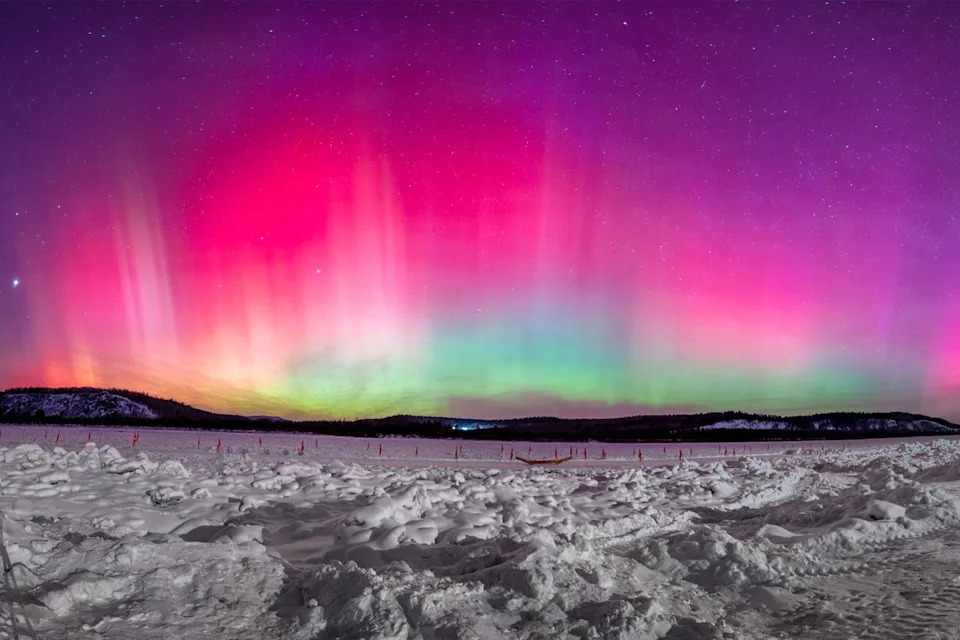
The aurora borealis in ChinaCredit: Chi Shiyong/VCG via Getty
When And Where To Look
- Best Time: Late evening through the early morning hours after local sunset, when skies are darkest.
- Best Places: High-latitude locations are likeliest, but stronger activity can push visibility into lower latitudes. In the U.S., northern states are the best bets.
- Viewing Tips: Get away from city lights, choose an elevated spot with an unobstructed view of the northern horizon, and allow at least 20 minutes for your eyes to fully adapt to the dark.
Photography And Gear Tips
You don’t need professional gear to enjoy the show, but these simple adjustments will improve your photos:
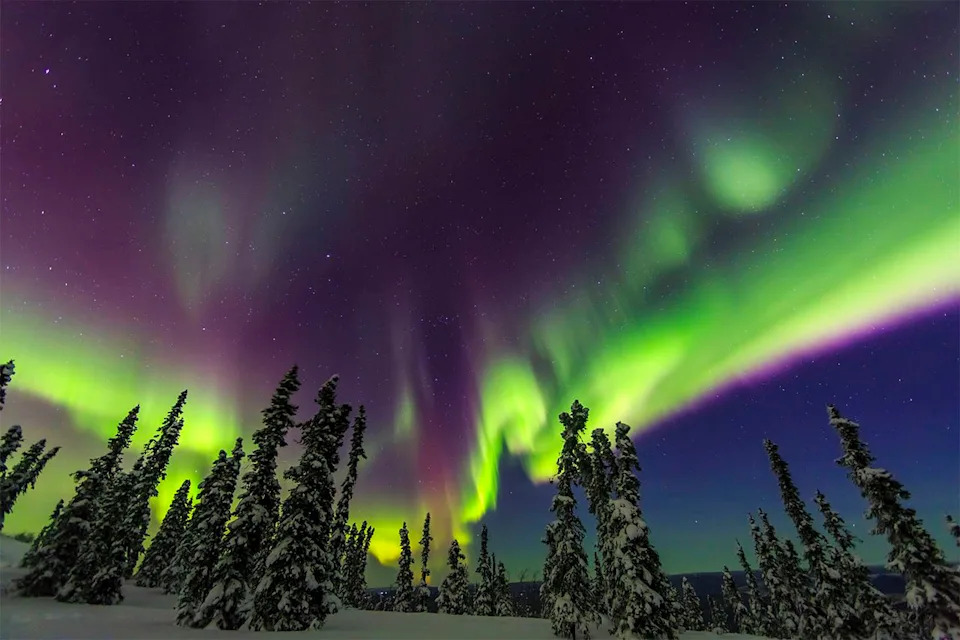
Aurora borealis displayCredit: Gallo Images ROOTS Collection/Getty
- Use a tripod or stable surface to avoid blur during long exposures.
- If possible, use a camera with manual control: wide aperture, ISO 800–3200 (adjust to sensor/noise), and exposures from ~5–15 seconds depending on brightness.
- Smartphones: enable Night Mode or Pro Mode and choose longer exposures if available; steady the phone on a surface or small tripod.
- Focus manually (or set to infinity) and bring extra batteries—cold drains them faster.
Stay Updated
Conditions can change quickly. Monitor the NOAA Space Weather Prediction Center for alerts and timing updates, and check local cloud forecasts before heading out. Popular public resources include NOAA SWPC and community aurora maps and alerts.
Final Note: Even at minor storm levels, auroras can appear faint or intermittent. Patience, dark skies and a clear northern view give you the best chance to catch the shimmering display tonight.
Help us improve.





















