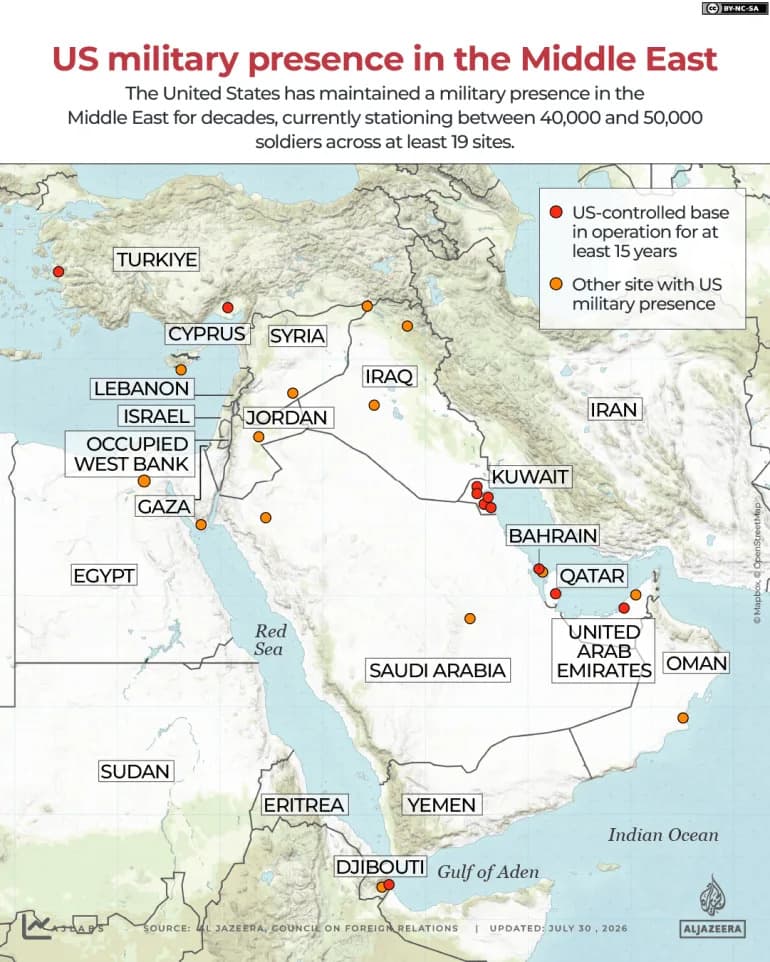
Sen. Andy Kim urged President Trump and congressional leaders not to deploy American ground forces to Iran, calling such an operation dangerously risky and likely to prolong the conflict. Reports say the Pentagon is preparing for extended ground operations and that up to 10,000 additional U.S. troops could be sent, while about 5,000 Marines and 2,000 soldiers from the 82nd Airborne are already in the region. Kim cited past casualties tied to Iranian-backed militias and raised logistical and safety concerns. House Democrats plan a mid-April vote to restrict U.S. military action in Iran.
Sen. Andy Kim Urges Trump Not To Deploy U.S. Ground Troops To Iran
Sen. Andy Kim on Sunday appealed directly to President Donald Trump and congressional leaders, urging them not to commit American ground forces to Iran as tensions and hostilities continue in the region.
Speaking on CNN's State of the Union, the New Jersey Democrat told the White House and congressional allies:
"We cannot have American troops on the ground in Iran. This is going to be such a risky operation. And for what purpose?"
While no U.S. ground invasion of Iran has occurred, recent news reports have raised the prospect of expanded land operations. The Washington Post reported that the Pentagon is preparing for extended ground operations in Iran, and The Wall Street Journal suggested that as many as 10,000 additional U.S. troops could be deployed to the region.
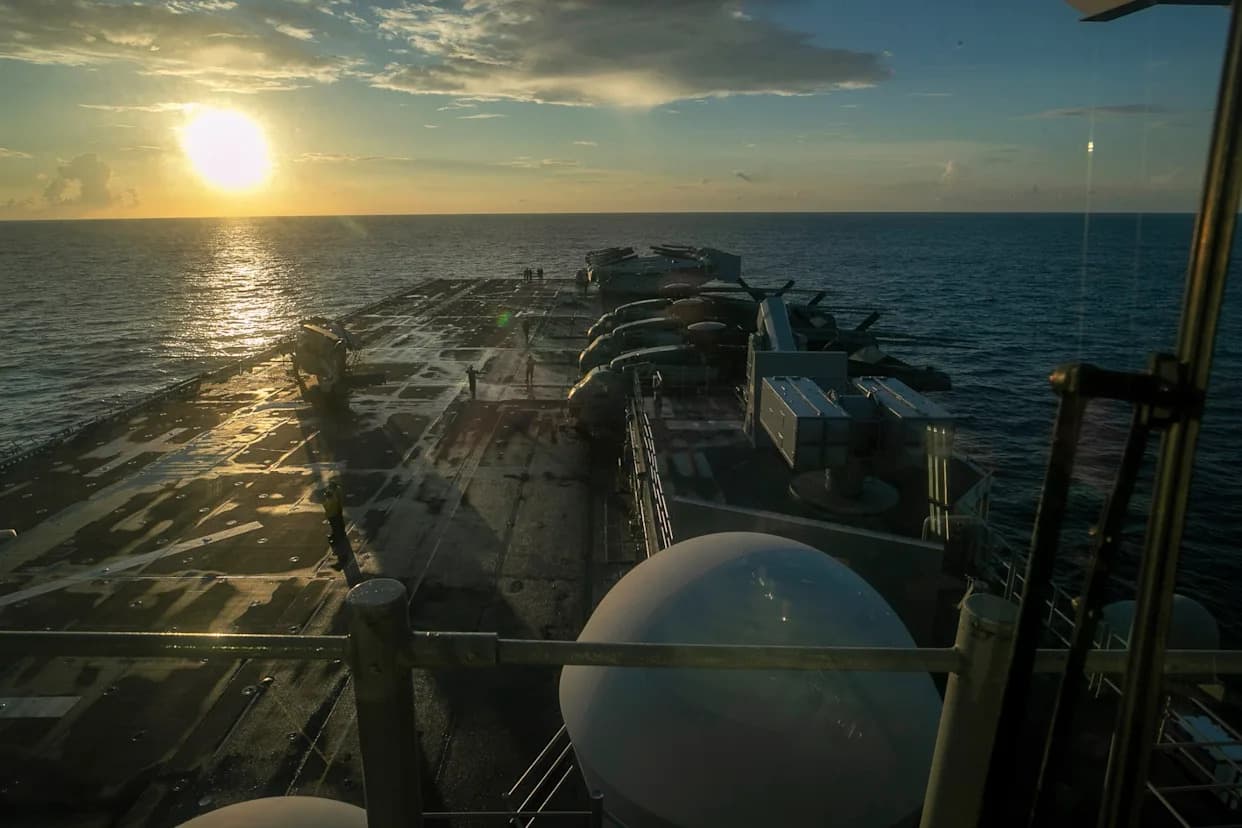
Those reports arrive amid mixed signals from the president, who has at times suggested the confrontation with Iran and its proxies is effectively over, and at other times warned of potential escalations, including reopening the Strait of Hormuz. Meanwhile, U.S. forces are already present in the region: roughly 5,000 Marines and about 2,000 troops from the Army's 82nd Airborne Division have been deployed.
Kim warned that sending ground troops would likely prolong the conflict and increase risks for service members. "This is not an end to this war, this is something that will only prolong it and increase the risk at a time that we've seen already so many service members put at harm's way," he said. He also criticized the administration for not providing troops with everything they need.
Drawing on his experience as a former State Department officer embedded with U.S. forces in Afghanistan, Kim stressed that many U.S. casualties in past conflicts were caused by improvised explosive devices and attacks tied to Iranian-backed militias. "It wasn't just the ballistic missiles that was the threat," he said.
Kim also highlighted the significant logistical challenges a ground campaign would face: where troops would shelter, how they would be supplied, and how planners would sustain operations in hostile territory. "Where are they going to bunker down? Where are they going to get provisions? Putting them in that kind of way is so risky," he said.
Kim is not alone in expressing reservations. Some Republican lawmakers and even some outspoken supporters of the president have balked at the idea of sending U.S. ground forces into Iran. Meanwhile, House Democrats plan to force another vote in mid-April on a resolution intended to limit U.S. military action in Iran after previous attempts to restrict such operations failed.
The debate underscores growing concern among lawmakers and national security experts about the potential costs and consequences of escalating U.S. involvement on the ground in Iran, and sets the stage for further congressional scrutiny and public discussion.
Help us improve.