
NOAA has issued a geomagnetic storm watch for March 29–30 after a coronal mass ejection tied to an M3.9 flare from sunspot AR4403 may graze Earth’s magnetic field. A G1–G2 storm could produce aurora low on the northern horizon in parts of up to 10 U.S. states, though a 90% waxing gibbous moon may reduce visibility. Seek dark northern skies and monitor NOAA and live space-weather services for timing and the Bz magnetic-condition that often precedes displays.
Northern Lights Alert: Aurora Could Reach 10 U.S. States Overnight (Mar 29–30)
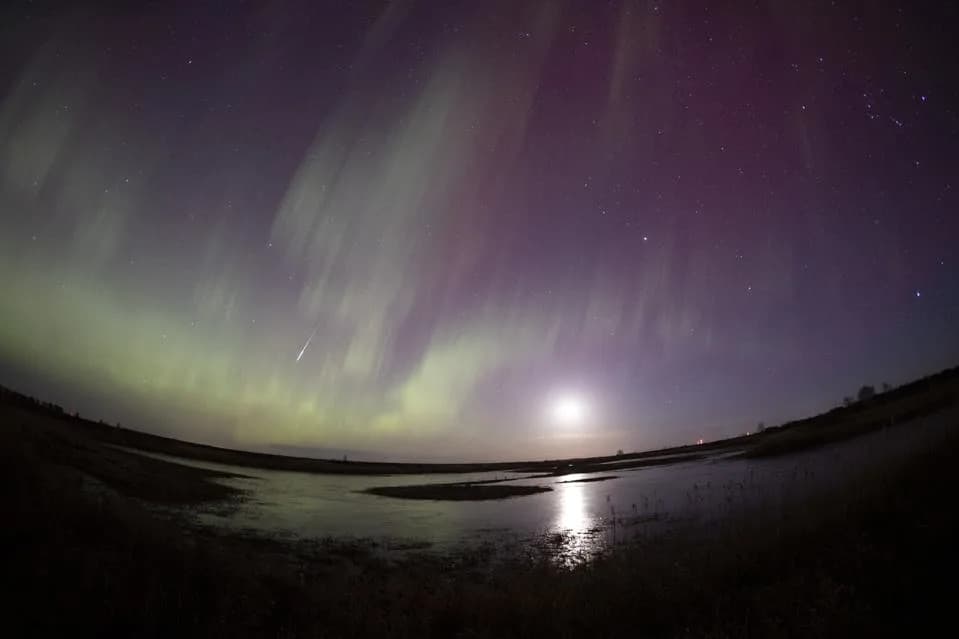
The aurora dances across the night sky over Grantsburg, Wisconsin, United States, on November 11, 2025. The dazzling display was caused by a series of powerful X-class solar flares, with northern lights reported as far south as Florida. (Photo by Christopher Juhn/Anadolu via Getty Images)Anadolu via Getty Images
May be visible late Sunday, Mar. 29 into Monday, Mar. 30 — NOAA issues geomagnetic storm watch.
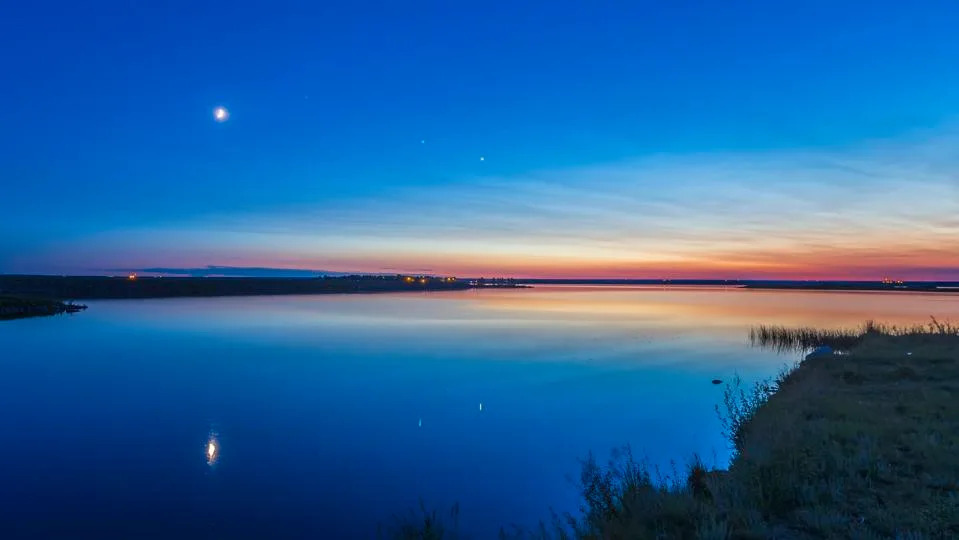
Photo: The aurora over Grantsburg, Wisconsin, on Nov. 11, 2025, after strong X-class flares produced vivid displays visible in some places as far south as Florida (Photo by Christopher Juhn/Anadolu via Getty Images).
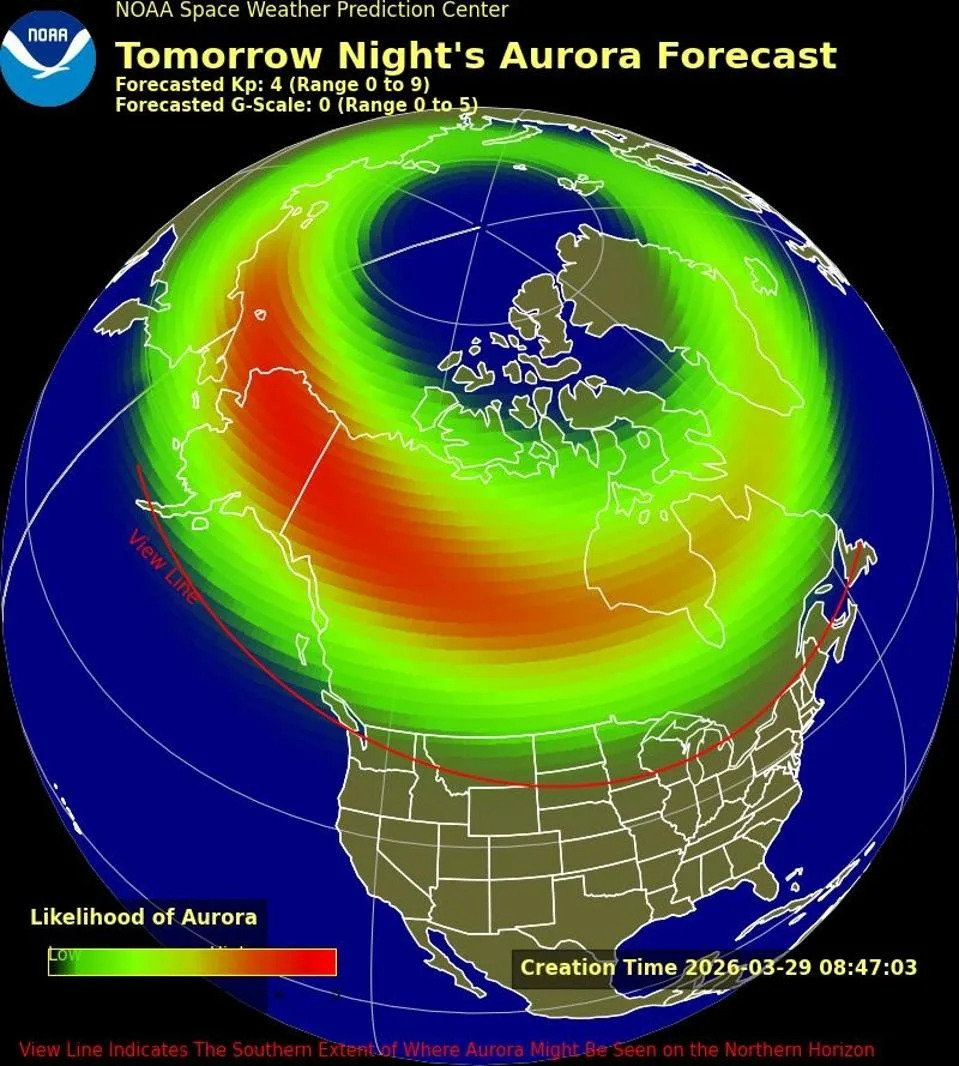
NOAA's aurora viewline for Sunday, March. 29, through Monday, March 30, 20216.NOAA
What’s happening
The National Oceanic and Atmospheric Administration (NOAA) has issued a geomagnetic storm watch for the night of March 29–30, warning a G1 to G2-class storm is possible after a coronal mass ejection (CME) associated with an M3.9 solar flare from sunspot AR4403 may graze Earth’s magnetic field. A CME is a large cloud of charged particles that can trigger aurora when it interacts with Earth’s magnetosphere; solar flares are intense bursts of radiation that travel at light speed but do not by themselves carry the particle cloud that produces geomagnetic storms.
Where you might see it
NOAA’s forecast suggests this will likely be a modest display, but auroras could appear low on the northern horizon in parts of up to 10 U.S. states near the Canadian border: Alaska and northern areas of Washington, Idaho, Montana, North Dakota, South Dakota, Minnesota, Wisconsin, Michigan and Maine. Visibility will depend on local conditions and the exact arrival and strength of the CME and solar wind stream.
Conditions to watch
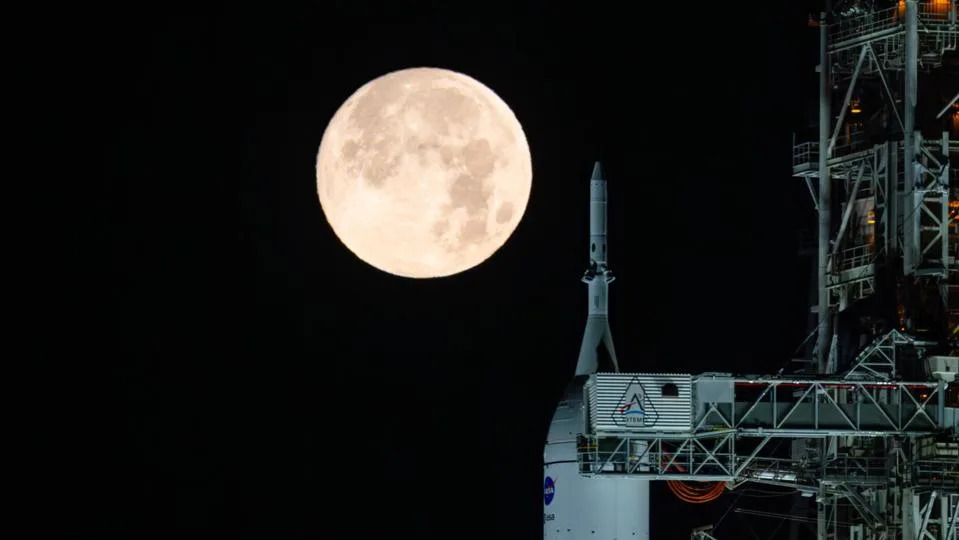
SpaceWeather.com reports the CME could arrive alongside a high-speed solar wind stream, increasing the chance of geomagnetic activity. A bright waxing gibbous moon (~90% illuminated) will be in the sky overnight and could wash out faint aurora. Also note there are roughly 10 active sunspot groups on the Sun’s Earth-facing hemisphere right now; more sunspots raise the odds of additional flares and CMEs in the coming days.
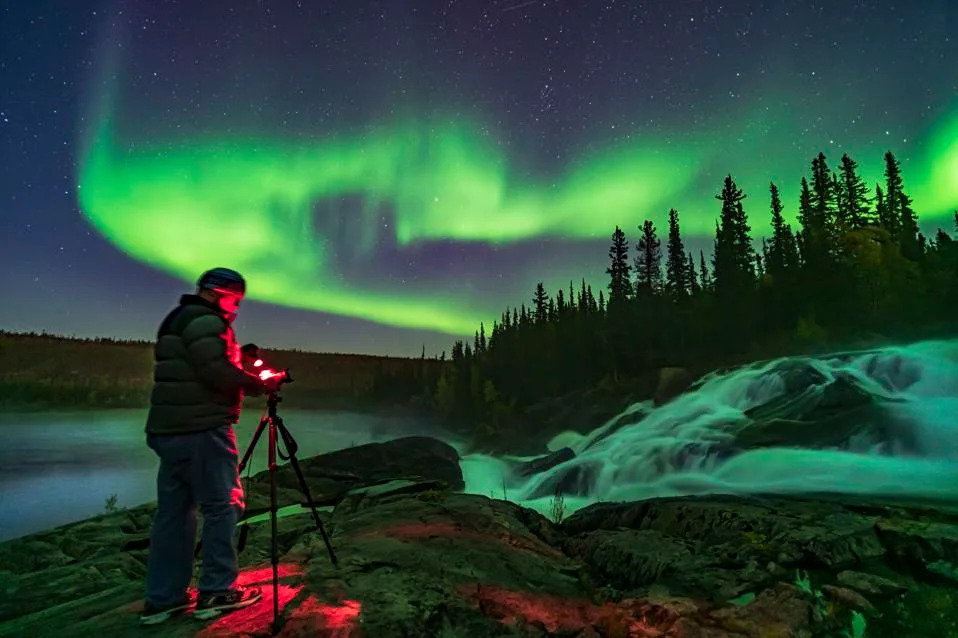
Photographer Stephen Bedingfield is shooting the Northern Lights at the Ramparts waterfalls on the Cameron River, September 8, 2019. (Photo by: Alan Dyer/VWPics/Universal Images Group via Getty Images)VWPics/Universal Images Group via Getty Images
Key Technical Tip
Watch the interplanetary magnetic field's Bz component: a sustained southward Bz (around -5 nT or stronger) often precedes a visible auroral surge because it allows solar plasma to enter Earth’s magnetosphere more easily.
How to increase your chances of seeing the aurora
- Find a dark site with a clear view to the north. Use tools such as the Dark Sky Place Finder and light-pollution maps.
- Stay away from city lights — darker skies make even moderate auroras more vivid.
- Check live forecasts: NOAA’s 30-minute aurora forecast, SpaceWeatherLive.com, and apps like Aurora Now, My Aurora Forecast, SpaceWeatherLive or Glendale Aurora for real-time solar wind and Bz data.
Photography tips
If you plan to photograph the aurora with a smartphone or camera, try these settings and techniques:
- Use your main lens (not the ultra-wide) for sharper images.
- Stabilize the camera with a tripod or a steady surface (car roof, wall, post).
- Shoot in RAW if available to make post-processing easier.
- Use long exposures of roughly 5–10 seconds — faint aurora that look grayish to the eye often appear green, purple or red in photos.
Wishing you clear skies and wide eyes.
Help us improve.





















