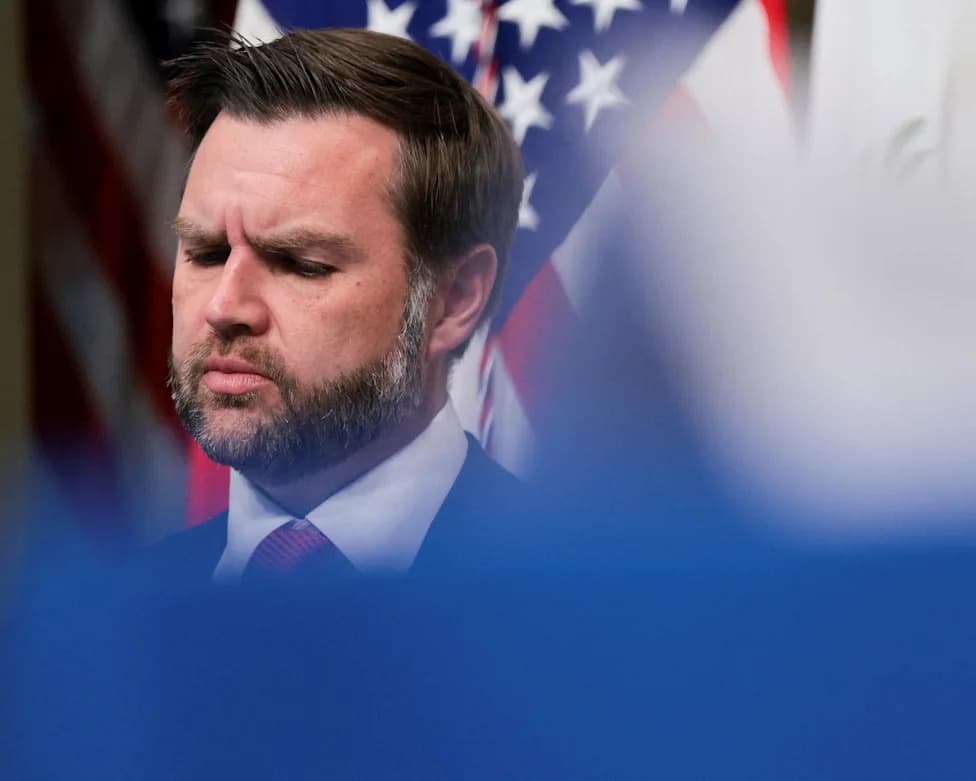
Vice President JD Vance told Benny Johnson’s podcast he believes some UFO encounters could be "demons," explaining that his Christian faith shapes how he interprets unexplained aerial phenomena. Vance said he is "obsessed" with UFOs and plans to use access to classified material during his tenure to investigate. His remarks come amid expanding government attention to UAPs, public comments from figures like Barack Obama, and ongoing congressional hearings that have left many sightings unresolved.
Why VP JD Vance Called UFOs 'Demons' — Faith, Folklore and a Renewed Government Focus
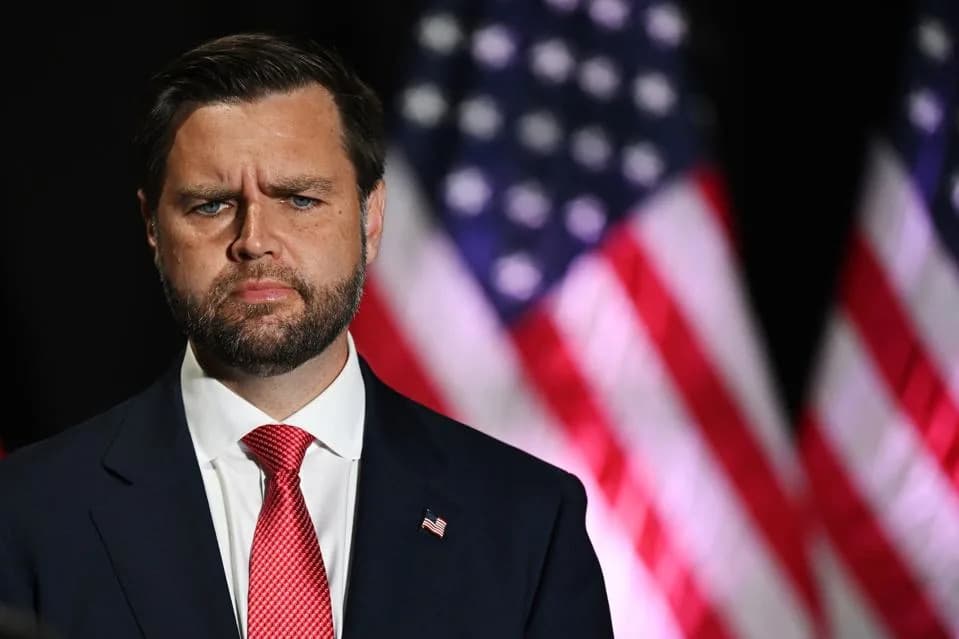
JD Vance is a believer in aliens and demons (Photo by Drew Hallowell/Getty Images)Getty Images
Vice President JD Vance drew attention and debate after telling Benny Johnson’s podcast that some reports of UFOs could be "demons," framing those experiences through his Christian beliefs. His comments, which mixed personal conviction with promises to investigate further, tapped into a long-running cultural crossover between religious interpretation, conspiracy folklore, and renewed official interest in unexplained aerial phenomena.

Vance’s Remarks And His Promise To Investigate
On the podcast, Vance described himself as "obsessed" with UFOs but said he has been too busy to personally visit sites such as Area 51. He added that he intends to pursue answers while serving in office: "I'm more curious than anybody," he said, and claimed he has access to "three years of the very tippy-top of the classification" that he plans to review.

"Celestial beings who fly around, who do weird things to people," Vance said, adding that many world religions, including Christianity, have long recognized inexplicable, otherworldly occurrences. He suggested one of the devil's clever deceptions is convincing people he never existed.
Context: Government Interest, Hearings and Public Figures
Vance's comments come amid growing public interest and official attention toward unidentified aerial phenomena. The Trump administration established a registry at aliens.gov and President Trump pledged to release government files related to extraterrestrial life, moves that helped push UAPs into mainstream conversation.

Congress has held multiple hearings on UAPs in recent years; those sessions have produced no definitive public conclusions, and a number of reported sightings remain unresolved. Former President Barack Obama also reignited discussion after saying in an interview that while the statistical odds favor life elsewhere, he saw no evidence of extraterrestrial contact during his presidency.

Religion, Folklore And Theories
The idea of equating aliens with spiritual or demonic phenomena is not new. Early postwar sightings focused on physical craft such as "flying saucers," but from the 1960s onward some accounts and subcultures began interpreting encounters as spiritual or metaphysical experiences. Recasting unexplained encounters as demonic allows some believers to move beyond technical explanations into theological interpretation.
Prominent media personalities have echoed similar themes; for example, Tucker Carlson has publicly referred to aliens as "demons," and related anecdotes and claims have circulated widely online, often attracting skepticism.
What This Means Going Forward
As government agencies increasingly use terms like UAP (Unidentified Anomalous Phenomena), the phenomenon has shifted from fringe folklore toward institutional scrutiny. Vance's framing of sightings through a religious lens adds a provocative element to public debate: it underscores how cultural, spiritual and political lenses shape interpretations of unexplained phenomena, even as scientists and investigators seek empirical answers.
Bottom Line: Vance’s comments will likely fuel public conversation and partisan reaction rather than resolving the core mysteries—leaving questions about origin, explanation and evidence still very much open.
Help us improve.