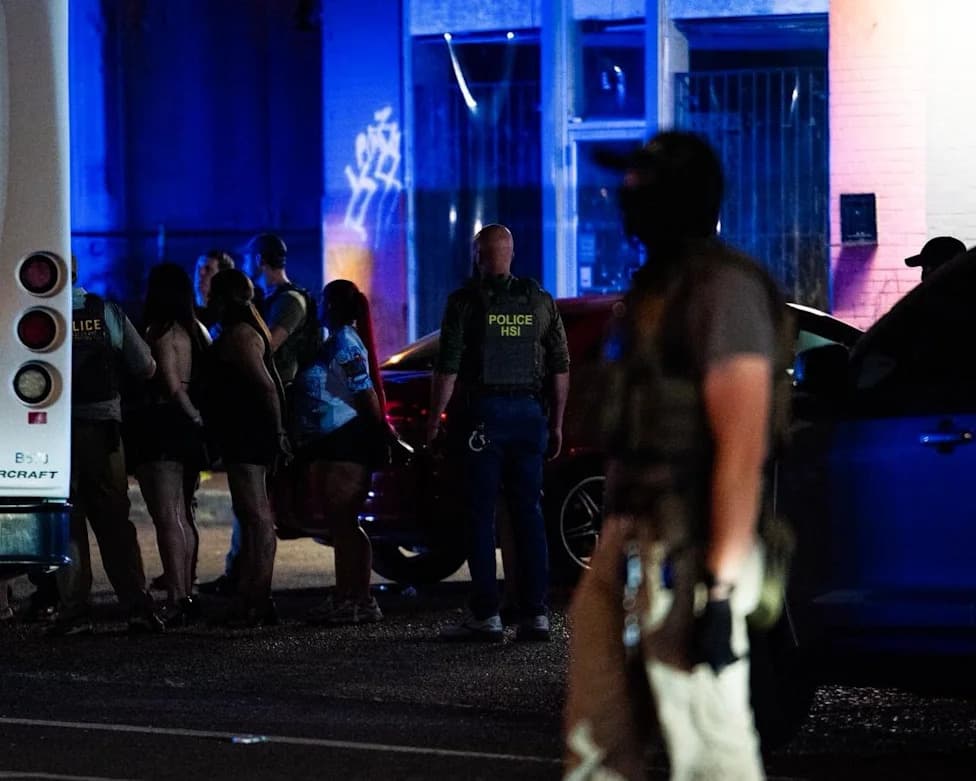
ICE officers were sent to U.S. airports to help understaffed TSA checkpoints during a partial DHS shutdown, but the deployments produced little measurable assistance beyond basic support such as bottled water and directions. Photographs and videos showed agents wearing casual clothing — hoodies, flannel shirts, beanies and jeans — beneath ballistic vests, prompting questions about identification, professionalism and public perception. Critics say the permissive dress code and inconsistent grooming project a militia-like, politically charged image, underscoring broader concerns about ICE’s culture, training and oversight.
Why ICE Agents at U.S. Airports Are Dressing Casually — And Why It Matters
Michael M. Santiago/Getty Images
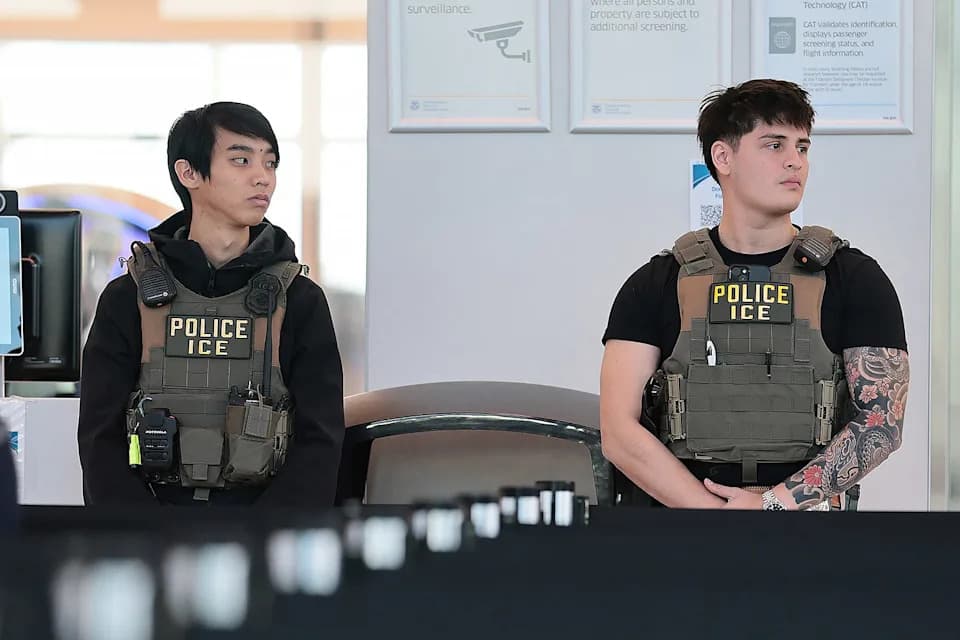
Immigration and Customs Enforcement (ICE) officers were deployed to U.S. airports this week, officially to assist understaffed Transportation Security Administration (TSA) checkpoints during a partial Department of Homeland Security (DHS) shutdown. While agency officials framed the deployments as a way to speed processing, reporting so far shows limited operational impact beyond handing out bottled water and providing wayfinding assistance.
What Observers Noted
Photos and videos from terminals nationwide captured ICE personnel leaning against walls, checking phones, and remaining largely passive while visibly armed and wearing ballistic vests. The contrast between tactical gear and a casual dress code — flannel shirts, hoodies, beanies, jeans and baseball caps — created an appearance many described as inconsistent with a traditional law-enforcement presence.
Uniforms, Identification And Authority
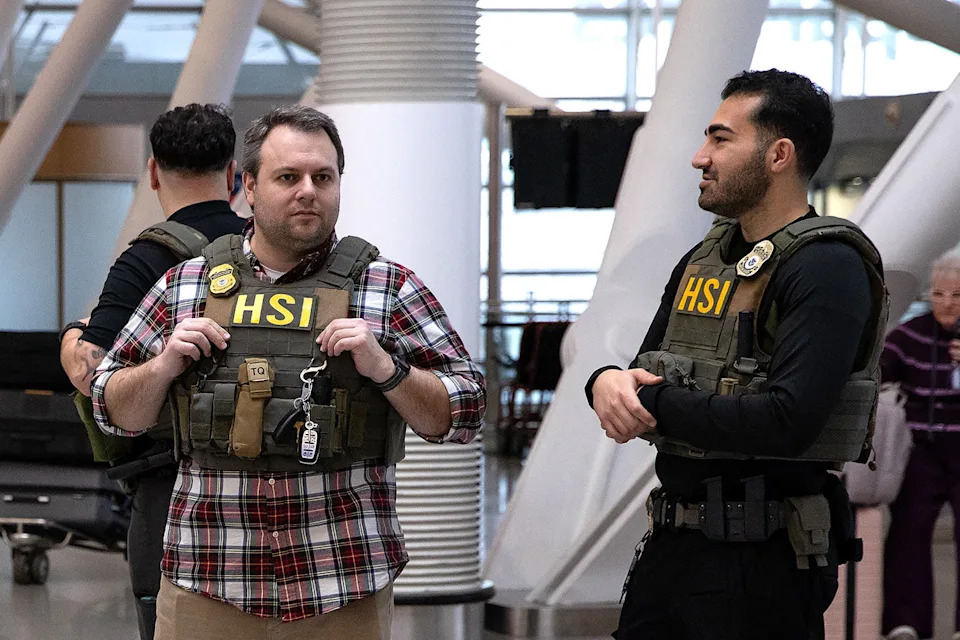
Most law-enforcement agencies use uniforms and grooming standards to serve two purposes: identify officers as government agents and project authority to help maintain public order. Unlike many police forces, ICE does not have a single standardized uniform and enforces a comparatively permissive dress code. That variability ranges from tactical camouflage and military-style kit to informal streetwear paired with marked vests.
Mostafa Bassim/Anadolu via Getty Images
Concerns And Criticism
Critics argue the casual, sometimes unkempt look undermines professional norms and can convey a more menacing, militia-like image. Reporting and advocacy groups have pointed to instances in which agents reportedly concealed badges, used vulgar language, or conducted high-profile arrests — including those of students, religious leaders, and families — as part of an enforcement posture that some observers describe as ideologically charged and less constrained than other agencies.
Grooming And Professional Standards
Some observers flagged grooming choices that would be atypical in other uniformed services. For example, a widely shared photo from Hartsfield-Jackson Atlanta International Airport showed an agent with a notably long beard; other federal and local agencies often impose stricter facial-hair standards for safety, uniformity and professionalism. These visual differences have heightened scrutiny of ICE’s internal standards and leadership oversight.
Context And Implications
Questions about training, culture and oversight have followed ICE for years. Analysts note the agency’s mix of assignments and personnel can produce a wide variety of approaches to operations and presentation. Whether intentional or incidental, the agency’s current appearance at airports has become a focal point for broader debates over enforcement strategy, public accountability and the signals law-enforcement appearances send to the communities they interact with.
Conclusion
ICE’s airport deployments during the partial DHS shutdown drew attention less for their operational effect than for the image they projected. The combination of visible tactical gear and casual clothing undercuts clear identification and has fueled criticism that the agency’s presentational choices reflect deeper cultural and oversight issues that merit public and policymaker attention.
Help us improve.