Lawmakers from both parties are debating how to regulate rapidly growing prediction markets such as Kalshi and Polymarket. Proposed bills would ban sports betting on those platforms, bar federal officials from wagering, and prohibit markets that allow bets on deaths, war or terrorism. The CFTC has intervened in state legal challenges, intensifying a fight over federal preemption versus state authority, while industry safeguards and reported political ties keep the issue in the spotlight.
Debatable: Regulating Prediction Markets — Congress And States Clash Over Kalshi, Polymarket
As prediction markets such as Kalshi and Polymarket grow users and influence in Washington, lawmakers from both parties are intensifying a debate over how — and whether — to regulate them.
Democrats, joined by a handful of Republicans, have proposed bills that would ban sports betting on these platforms, bar federal lawmakers and senior executive-branch officials from placing wagers, and outlaw markets that let users bet on outcomes like deaths, war or terrorism. But the road to federal legislation is crowded and complicated: multiple competing proposals are already circulating, and lawmakers disagree on whether regulation should be set at the state or federal level.
At the same time, federal regulators have sometimes sided with market operators in legal fights with state authorities. Earlier this year the Commodity Futures Trading Commission (CFTC) intervened in several cases in which state and local officials alleged that prediction markets were violating state gambling laws, a move that has added to the debate over federal preemption versus states' rights.
Key lawmakers have voiced contrasting views.
“I think we’ve got to respect states’ rights first when it comes to sports betting, wagering, gambling. The states have a role to play, and that is the gold standard of that regulation, and we shouldn’t be preempted by federal regulation. In the past, traditionally, it has been the CFTC working in conjunction in the states to regulate. The current chair of the CFTC doesn’t believe that anymore, thinks that there should be federal preemption for states’ rights. I disagree. I’ve introduced legislation to take it out of his authority altogether.”
— Sen. Catherine Cortez Masto (D-Nev.), a member of the Senate Banking Committee, arguing for preserving state authority to rein in prediction markets.
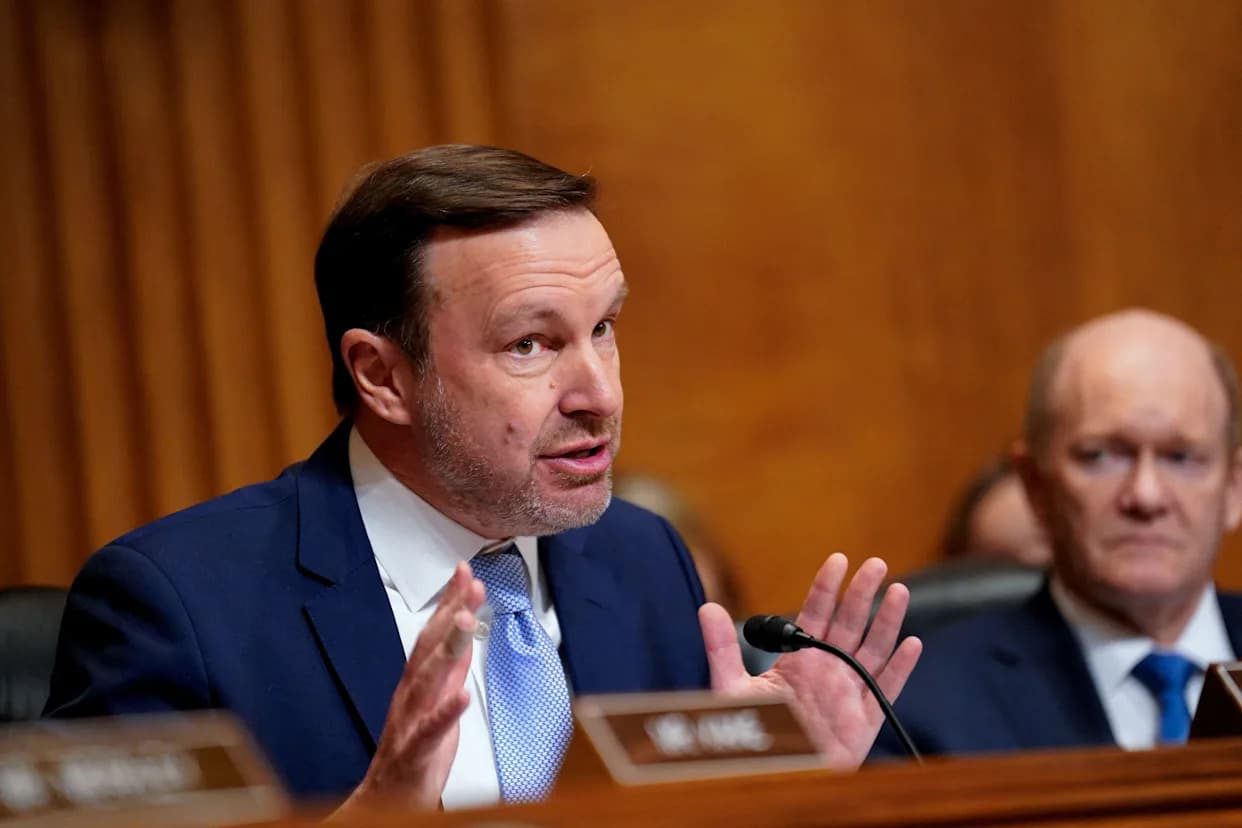
“I think we need to build a grassroots constituency around ending these corrupt prediction markets, but Donald Trump’s family is completely integrated and making money off of Kalshi and Polymarket, so my guess is that he will not let Republicans support any legislation that trims his corruption sales.”
— Sen. Chris Murphy (D-Conn.), who has proposed a bill to ban markets betting on government actions, war and terrorism, and who said passage this Congress is unlikely.
“I generally don’t like government regulation. … Government does enough things bad.”
— Sen. Ron Johnson (R-Wis.), a member of the Senate Finance Committee, opposing additional federal regulation.
Industry platforms have also taken internal steps. Axios reported that Kalshi has banned athletes and coaches from betting on their sports and has limited politicians from trading on campaigns. Rep. Seth Moulton (D-Mass.) announced he will forbid his congressional staff from participating in prediction markets. And media reports indicate that Donald Trump Jr. is an investor in Polymarket and serves as a paid adviser to Kalshi — a fact some lawmakers cite when questioning political influence in this debate.
The debate touches on several unresolved questions: which level of government should regulate these markets, how to balance free expression and research value against ethical and legal concerns, and whether conflicts of interest or political ties require stricter limits. With competing bills and strong partisan rhetoric, concrete federal action appears uncertain in the near term.
Help us improve.