
Two recent jury verdicts found YouTube and Meta liable for harms to children linked to how their platforms are designed, a development welcomed by Kimberly Osterman after her 18-year-old son Max died in 2021 from a fentanyl-laced pill he bought after contacting a seller on Snapchat. Osterman, part of ParentsSOS, has filed a separate wrongful-death suit and supports the Kids Online Safety Act to force stronger protections for minors. Snap and TikTok settled with plaintiffs; Meta plans to appeal. Legal experts say the rulings could spur more lawsuits and regulatory scrutiny.
Mother Whose Teen Died After Buying Fentanyl on Social Media Hails Verdicts Against Meta and YouTube
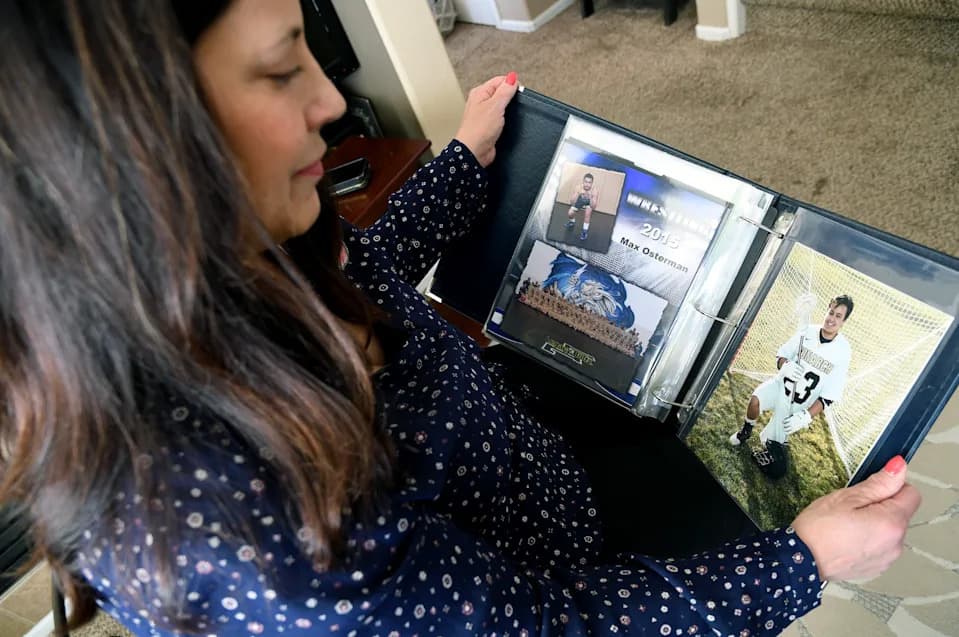
Kim Osterman shows photos of her son Max, who she says died after taking fentanyl he bought from a dealer on Snapchat, in her living room in Thornton, Colo., on Thursday, March 26, 2026. (AP Photo/Thomas Peipert)(ASSOCIATED PRESS)
THORNTON, Colo. — A Colorado mother whose 18-year-old son died after taking a fentanyl-laced pill he bought via social media on Thursday welcomed two recent jury verdicts holding major tech platforms accountable for harms to children tied to platform design.
“The truth is out, and it’s time that they are held accountable for the design of the platforms,” said Kimberly Osterman, whose son Max died in 2021. “They put profits over safety.”
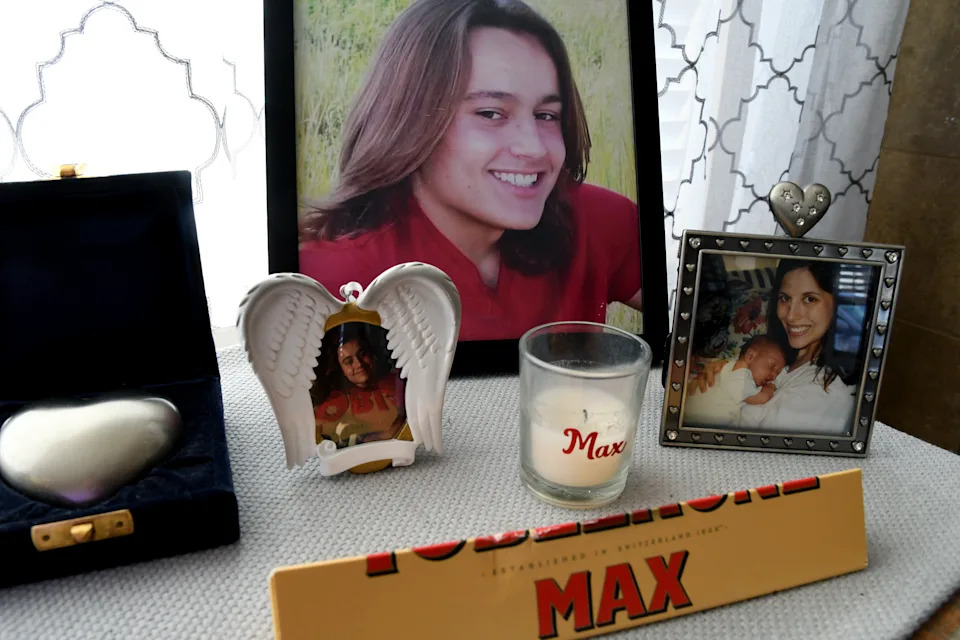
A tribute to Max Osterman, whose mother says he died after taking fentanyl he bought from a dealer on Snapchat, is displayed in his mother's living room in Thornton, Colo., Thursday, March 26, 2026. (AP Photo/Thomas Peipert)(ASSOCIATED PRESS)
At her home in Thornton, Osterman flipped through photo albums and remembered life "before social media" — the days before the "infinite scrolling" she says drew her son in. Shelves were filled with framed photos of Max, some decorated with hearts and angel wings.
How the Tragedy Unfolded
Osterman says Max connected with a seller on Snapchat, arranged a meeting and purchased what he believed to be Percocet. The pill was laced with a lethal dose of fentanyl, and he was found dead the following morning. Osterman has filed a separate wrongful-death lawsuit that is not part of the cases decided this week.
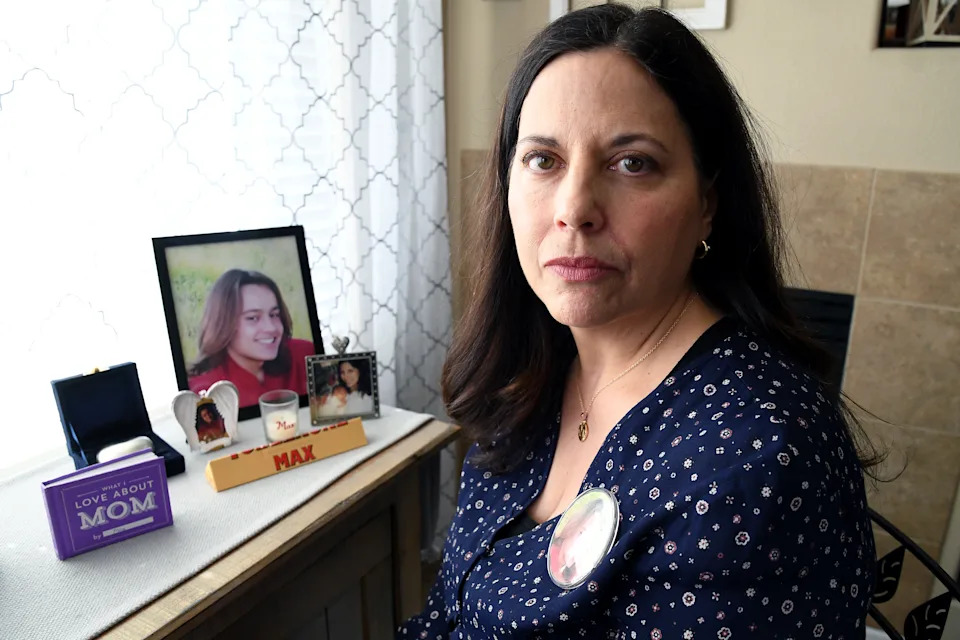
Kim Osterman, who says her son Max died after taking fentanyl he bought from a dealer on Snapchat, poses for a portrait in her living room in Thornton, Colo., Thursday, March 26, 2026. (AP Photo/Thomas Peipert)(ASSOCIATED PRESS)
The seller, Sergio Guerra-Carrillo, pleaded guilty to distribution charges and was sentenced in 2023 to six years in prison.
Jury Verdicts and Industry Response
In Los Angeles on Wednesday, jurors found both YouTube and Meta — the company that operates Facebook and Instagram — liable for harms to children tied to how their platforms are designed to keep young users engaged. Both companies said they disagree with the rulings and indicated they may appeal.
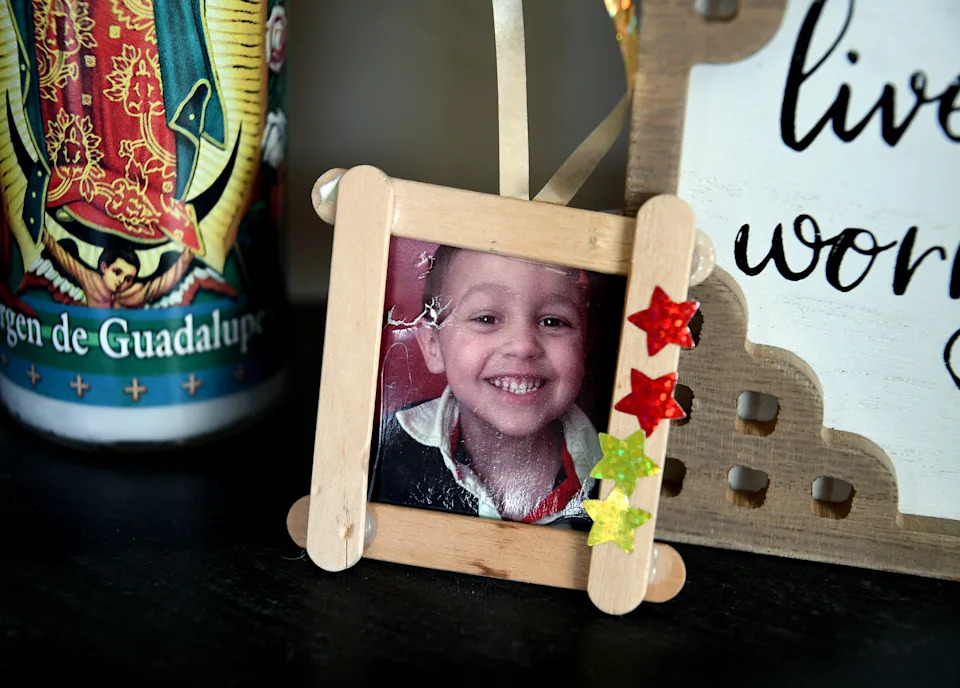
A childhood photo of Max Osterman, whose mother says he died after taking fentanyl he bought from a dealer on Snapchat, is displayed in his mother's living room in Thornton, Colo., on Thursday, March 26, 2026. (AP Photo/Thomas Peipert)(ASSOCIATED PRESS)
Separately in New Mexico, a jury determined that Meta knowingly harmed children’s mental health and concealed what it knew about child sexual exploitation on its services; Meta has said it will appeal that verdict as well.
Snap Inc., the parent company of Snapchat, reached an undisclosed settlement in January shortly before the Los Angeles trial began. TikTok also agreed to a settlement; its terms have not been publicly released.
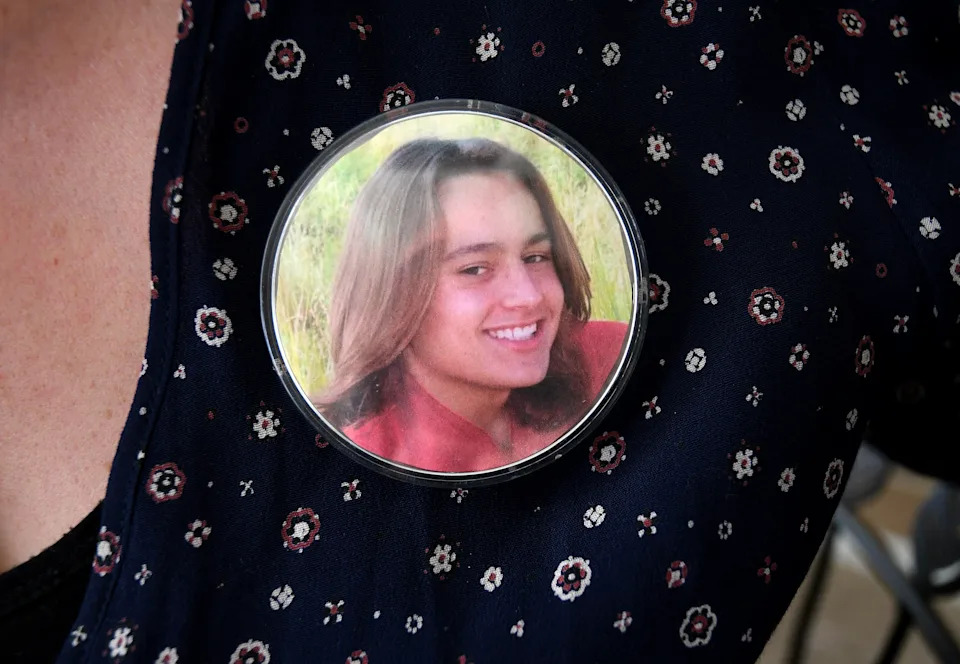
A photo of Max Osterman, whose mother says he died after taking fentanyl he bought from a dealer on Snapchat, is worn on his mother's blouse at her home in Thornton, Colo., on Thursday, March 26, 2026. (AP Photo/Thomas Peipert)(ASSOCIATED PRESS)
Calls For Stronger Safeguards
Osterman is a member of Parents for Safe Online Spaces (ParentsSOS), a group of parents who lost children to online harms and who advocate for stronger regulation. The group has pushed for the Kids Online Safety Act (KOSA), pending federal legislation that would require platforms to take reasonable steps to prevent foreseeable harms to minors.
“You think your kids are safe in their home, in their bedroom, but that's not the way it is with the current status of social media,”
Osterman said she knew Max used Snapchat to message friends but did not realize the scope of the danger he faced. She described him as academically gifted who loved lacrosse and wrestling.
What Comes Next
It remains uncertain whether these verdicts will force sweeping changes across the industry. Legal observers say the decisions signal a growing willingness by juries to hold major platforms accountable and could open the door to additional lawsuits and regulatory action. Meta and YouTube maintain they will contest the rulings.
Schoenbaum reported from Salt Lake City.
Help us improve.





















