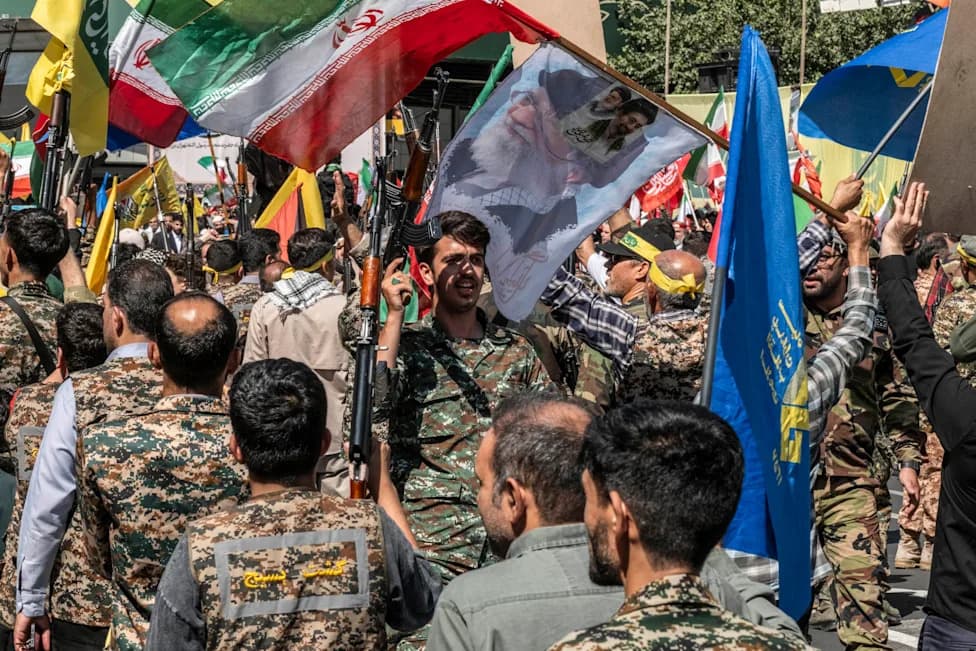
U.S. and Iran remain far apart despite renewed diplomatic overtures. Washington transmitted a 15-point demand package to Tehran that reprises pre-conflict conditions, while Iran has issued counter-demands including reparations, guarantees against renewed attacks and sovereignty claims over the Strait of Hormuz. Gulf partners are split between calls for an immediate ceasefire and demands for a comprehensive settlement. The gap is widened by Tehran's leverage over Hormuz and the continuing presence of U.S. reinforcements in the region.
Diplomacy Stalls: U.S. and Iran Set Conflicting Preconditions as Talks Remain Elusive
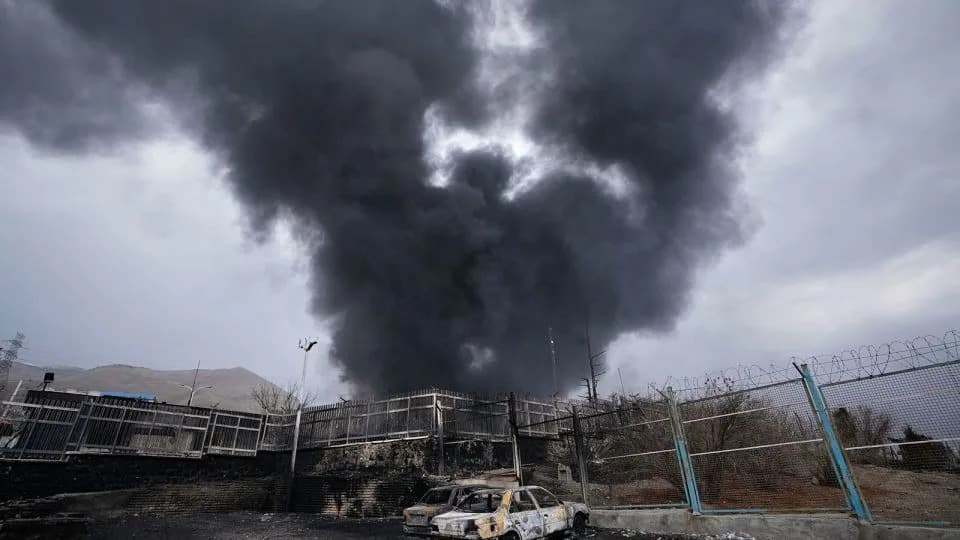
A thick plume of smoke rises from an oil storage facility hit by a US.-Israeli strike in Tehran, Iran, on March 8. - Vahid Salemi/AP/File
Nearly one month after indirect contacts in Geneva involving U.S. envoys Steve Witkoff and Jared Kushner, and two days before an escalation of military operations involving the United States and Israel, Washington has signaled renewed interest in talks with Tehran. Despite public optimism from the White House, deep disagreements over core preconditions make a prompt return to the negotiating table unlikely.
What’s blocking talks
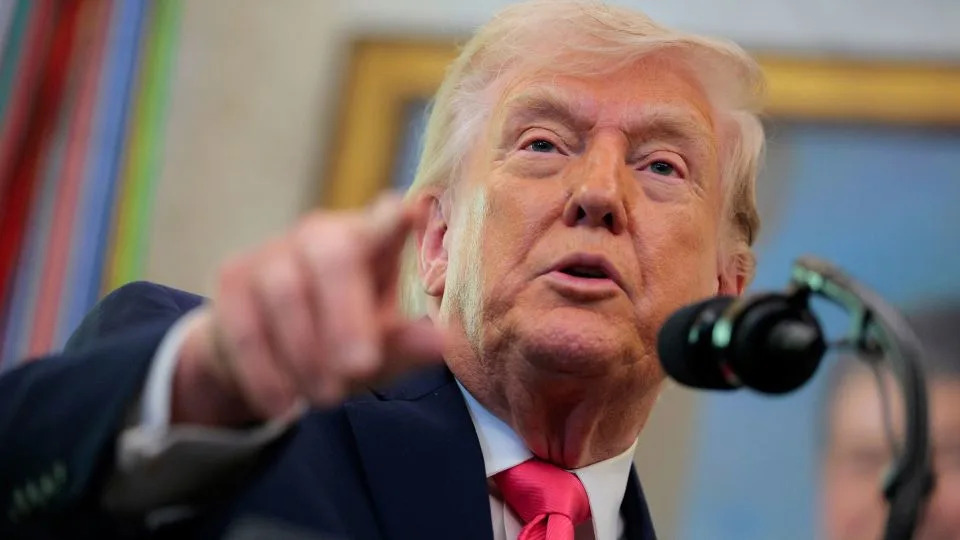
President Donald Trump takes questions in the Oval Office at the White House on March 24, 2026, in Washington, DC. - Chip Somodevilla/Getty Images
U.S. officials, using Pakistan as a channel, conveyed a 15-point package of demands to Tehran. The list reprises pre-conflict U.S. conditions: Iran renouncing nuclear weapons, surrendering highly enriched uranium to U.S. custody, accepting limits on certain defense capabilities, and ending support for regional proxy groups. Iranian officials and many regional interlocutors say those demands are maximalist and therefore unacceptable.
Iran, speaking through state outlets, has set out counter-demands: a complete halt to what it calls aggression and assassinations, formal mechanisms to prevent the resumption of hostilities, payment of reparations and war damages, cessation of military operations by and against Iranian proxies, and explicit guarantees of Iranian sovereignty over the Strait of Hormuz.
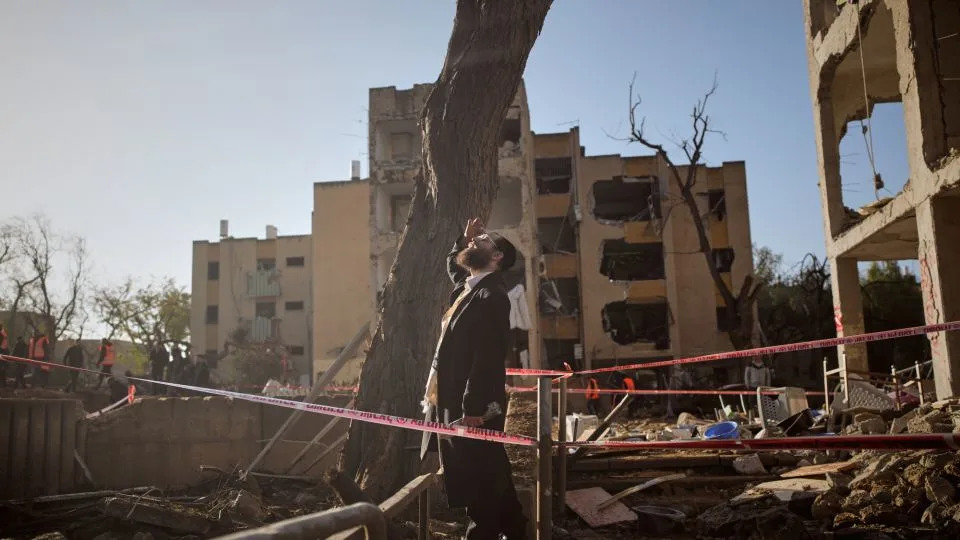
A man looks at residential buildings damaged by an Iranian missile strike in Arad, southern Israel, Sunday, March 22, 2026. - Ohad Zwigenberg/AP
Leverage and regional divisions
Tehran’s demonstrated ability to disrupt traffic in the Strait of Hormuz has elevated its bargaining position. Even with some degradation of Iranian military capabilities, interruptions to the key shipping lane have pushed fuel prices higher and unsettled global markets, giving Iran concrete leverage few expected before the conflict began.
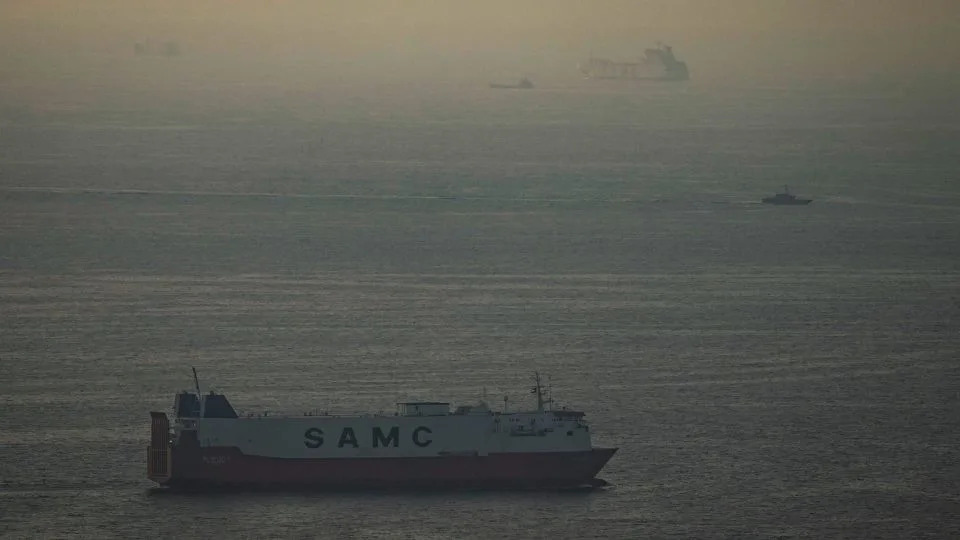
Cargo ships sail in the Arabian Gulf towards the Strait of Hormuz in the United Arab Emirates, Thursday, March 19, 2026. - AP
Gulf and European partners are closely watching developments and are divided. Some Gulf states press for an immediate ceasefire and reopening of shipping lanes; others argue for a broader, conclusive settlement that addresses nuclear, missile and proxy threats. In a Wall Street Journal op-ed, UAE Ambassador to the U.S. Yousef Al Otaiba warned that a simple ceasefire would be insufficient and urged a comprehensive agreement tackling nuclear capabilities, missiles, drones, proxies and sea-lane blockades.
Diplomatic maneuvering and military shadow
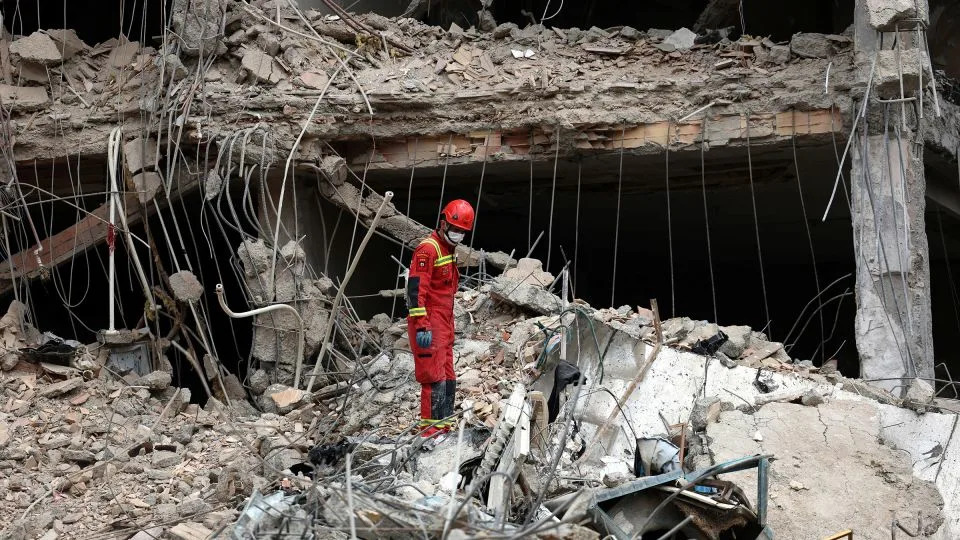
An Iranian firefighter walks on the rubble of a destroyed residential building in Tehran, Iran, on March 23, 2026. - AFP/Getty Images
Messages have moved between capitals, but Tehran maintains that message exchanges are not formal negotiations. Iran’s foreign minister characterized recent exchanges as messaging via intermediaries rather than direct dialogue. The White House, by contrast, has described ongoing talks as "productive." Officials are considering a meeting in Pakistan this weekend as a potential off-ramp; Turkey has also been floated as an alternative venue.
Tehran has reportedly indicated a preference to engage with Vice President JD Vance rather than the envoys who previously conducted indirect contacts. Administration officials have said that Vance, Jared Kushner, Steve Witkoff and others are involved in Iran diplomacy, but plans for any meeting remain fluid.
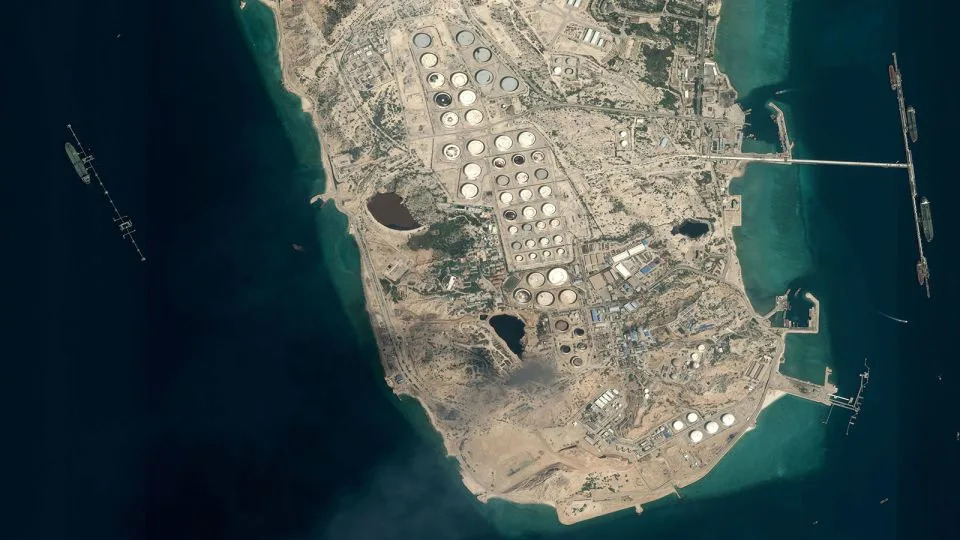
This satellite image shows Iran's Kharg Island on March 11, 2026, prior to US strikes on the island. - Airbus
At the same time, the prospect of further U.S. military steps looms. Two sources familiar with troop movements said roughly 1,000 soldiers from the Army’s 82nd Airborne Division are expected to deploy to the Middle East in coming days. Gulf partners have privately cautioned the U.S. against large-scale ground operations—such as seizing Kharg Island or attempting to remove Iran’s highly enriched uranium—warning such moves could trigger heavy casualties, infrastructure strikes by Iran and a prolonged conflict.
Outlook
Analysts and regional officials say the gulf between the two sides is wide. U.S. demands are viewed in Tehran as offering capitulation or risking escalation, while Iran’s demands are seen by many in Washington and allied capitals as unrealistic. With both sides publicly signaling a willingness to talk but privately drawing hard lines, a negotiated settlement is possible only if intermediaries can identify and bridge core security and political assurances acceptable to both parties.
Help us improve.