
Rocket Lab is scheduled to launch the first two demonstration satellites for ESA's Celeste LEO navigation constellation on March 25. Liftoff is set for 5:14 a.m. EDT (09:14 UTC; 10:14 p.m. local New Zealand time) from Rocket Lab's New Zealand site, with live coverage on Space.com and ESA beginning about 20 minutes beforehand. The Electron vehicle aims to place the pair into a 510-kilometer (317-mile) circular orbit; the first satellite should deploy ~20 minutes after liftoff and the second ~4 minutes later. Celeste will test how a LEO layer can complement Galileo in MEO to boost resilience and enable new services.
Watch Rocket Lab Launch Europe’s First Two Celeste Navigation Satellites — Live March 25
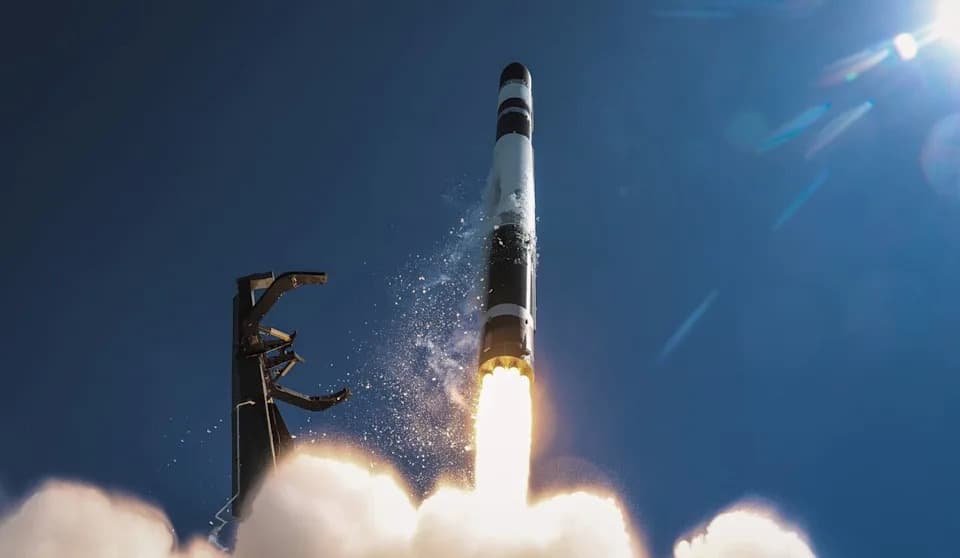
Credit: Rocket Lab
Rocket Lab will launch two prototype navigation satellites for the European Space Agency's Celeste constellation early Wednesday morning, March 25. Live coverage will be available on Space.com and via ESA, with broadcasts starting roughly 20 minutes before liftoff.
Launch Details
An Electron rocket is scheduled to lift off from Rocket Lab's launch complex in New Zealand at 5:14 a.m. EDT (09:14 UTC; 10:14 p.m. local New Zealand time). The mission is named Daughter of the Stars and carries the first two satellites of the Celeste demonstration fleet.
Mission Profile
If the mission proceeds as planned, Electron will deliver the two spacecraft to a circular orbit about 510 kilometers (317 miles) above Earth. The first satellite is expected to separate about 20 minutes after liftoff, with the second following roughly four minutes later.
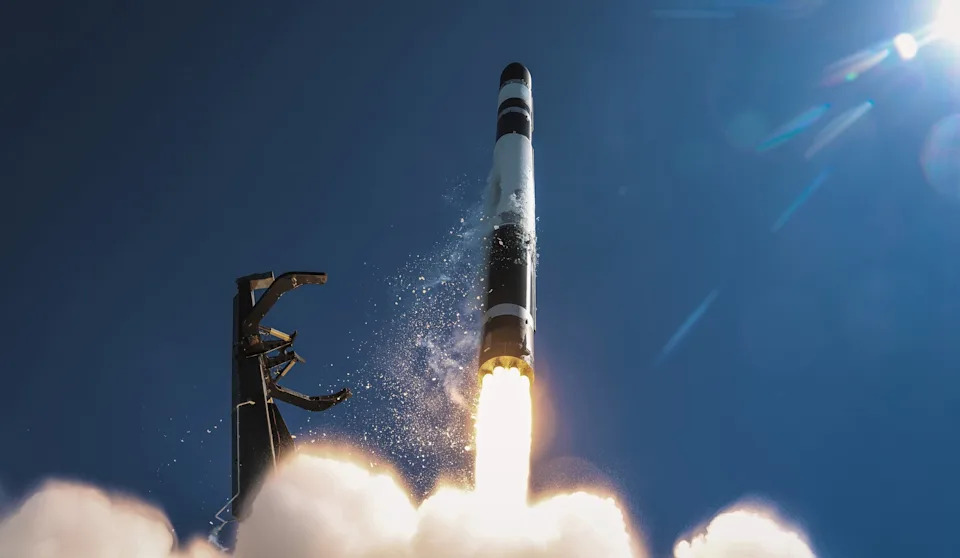
A Rocket Lab Electron rocket launches on the "Insight at Speed is a Friend Indeed" mission from New Zealand on March 5, 2026. | Credit: Rocket Lab
What Is Celeste?
Celeste is Europe’s first satellite-navigation layer in low Earth orbit (LEO). According to ESA, the initiative 'will demonstrate how a complementary layer flying closer to Earth can enhance Europe’s current Galileo system in medium Earth orbit (MEO), boosting overall resilience, enhancing performance and opening opportunities for new service capabilities directly from LEO.' The program's first phase aims to field an 11-satellite demonstration constellation; the two launching on March 25 are the initial pair.
Why This Matters
A LEO navigation layer can reduce latency, improve positioning in difficult environments such as urban canyons, and add redundancy to existing systems. Celeste is a technology demonstration designed to test these benefits and inform the development of future operational services.
About Rocket Lab
'Daughter of the Stars' will be the 78th orbital launch for Rocket Lab's 18-meter (59-foot) Electron vehicle. Rocket Lab has also flown seven missions using a suborbital variant called HASTE, typically used by customers to test hypersonic technologies.
Watch: Tune in to Space.com or the ESA live stream starting about 20 minutes before liftoff to follow the launch in real time.
Help us improve.





















