
President Trump unexpectedly delayed planned strikes on Iran hours before his deadline, citing "productive" diplomatic contacts that Tehran swiftly denied. The pause creates a five-day window during which Washington is signaling openness to talks while U.S. forces continue to mobilize in the region. Iranian officials called the move "psychological warfare," and Israel signaled support for leveraging military pressure toward negotiations. A key unresolved issue is Iran's highly enriched uranium stockpile, which remains central to any diplomatic or military outcome.
Trump Pauses Iran Strikes, Opening Five-Day Window for Diplomacy Amid U.S. Military Buildup
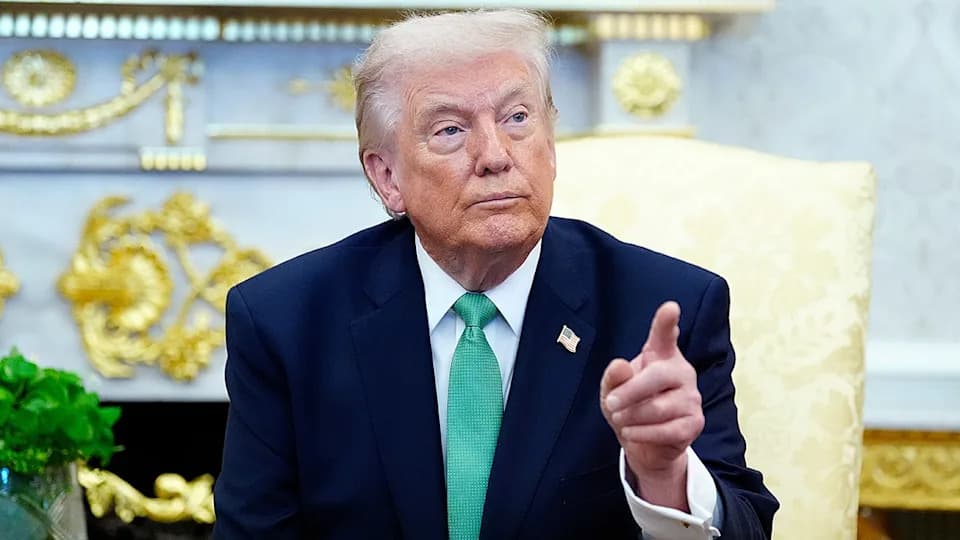
President Donald Trump paused planned U.S. strikes on Iran just hours before a self-imposed deadline.(AP Newsroom)
President Donald Trump abruptly paused planned U.S. strikes on Iran hours before a self-imposed deadline, citing "very good and productive conversations" and a broader framework that he said included nuclear issues. Tehran immediately rejected the claim, calling the U.S. statements "psychological warfare," even as American forces continued to reposition in the region.
The decision establishes a narrow five-day window in which the administration is publicly signaling an opportunity for talks while retaining the option to strike if diplomacy fails. The swift reversal followed a weekend ultimatum in which Trump threatened to target Iran's power infrastructure if the Strait of Hormuz was not reopened — a warning that unsettled global oil markets and raised concerns about a rapid escalation.
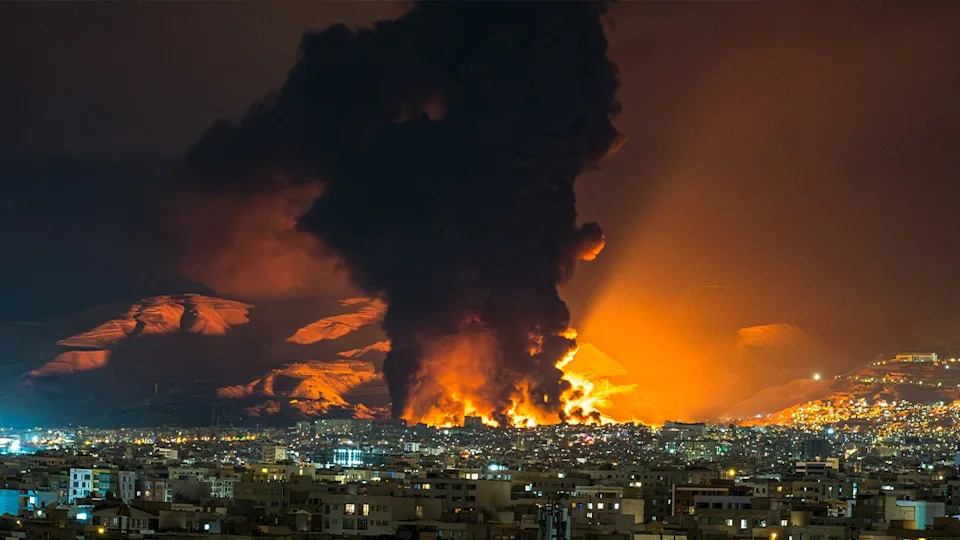
The move creates a narrow five-day window in which the administration is signaling diplomacy while preserving the ability to strike, raising the stakes for whether talks materialize — or whether the delay simply sets up near-term escalation.
U.S. Military Posture: Despite the pause, the Pentagon has expanded its regional footprint. Thousands of U.S. Marines have been embarked on amphibious assault ships to increase rapid-strike and ground-operation capabilities near Iran, and additional naval assets have been moved into positions that could support further action if ordered. The deployments suggest the administration is preserving military options while exploring a diplomatic opening.
Iran's Response: Iranian officials and the Iranian mission to the United Nations rejected the White House account, characterizing U.S. statements as a tactic to buy time and influence markets. Tehran denied that substantive negotiations were underway and warned that rhetoric and military movements could further increase tensions.
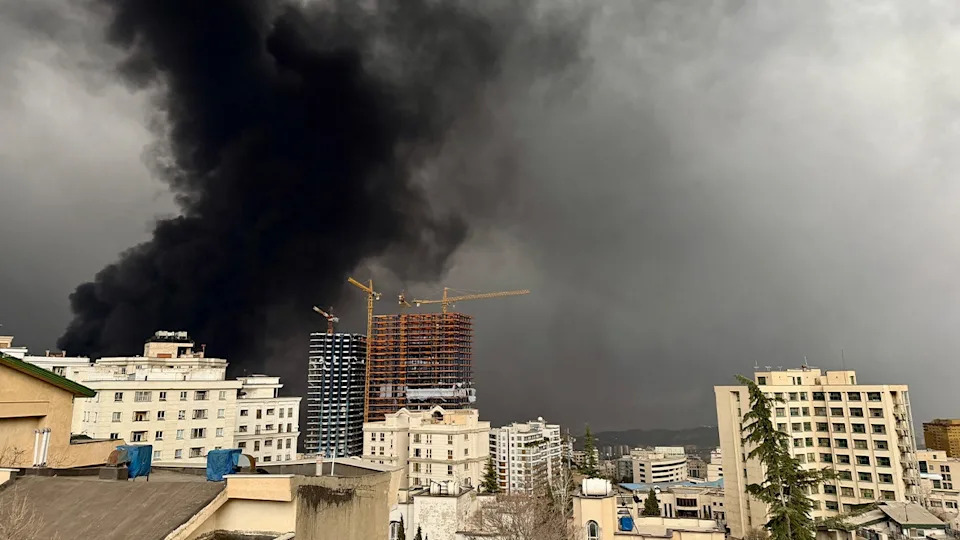
Israeli Prime Minister Benjamin Netanyahu said Monday that Trump sees "an opportunity to leverage the substantial achievements" of recent military operations to advance war objectives through a potential agreement.
Allied Signals and Strategic Calculations: Key U.S. allies have echoed the two-track approach. Israeli Prime Minister Benjamin Netanyahu said the United States is trying to leverage recent military achievements to press for a possible agreement, while continuing military actions in the region. Some analysts say the administration appears to be testing whether pressure can produce concessions while also creating diplomatic cover to avoid immediate conflict.
Core Issue: Nuclear Materials: A central unresolved matter is Iran's stockpile of highly enriched uranium. U.S. and Israeli officials have indicated that securing or neutralizing that material is a critical objective that could determine whether the situation moves toward a negotiated settlement or additional military measures.
What To Watch Over The Next Five Days
- Whether indirect or intermediary-facilitated talks actually begin and produce concrete proposals.
- Further changes in U.S. force posture or additional deployments to the region.
- Any Iranian steps to reopen the Strait of Hormuz or other de-escalatory signals.
- Public statements from regional partners, including Israel, and reactions from global energy markets.
The administration's mix of public diplomacy and continued force posture keeps both the possibility of a negotiated outcome and the risk of escalation open. The coming days will be decisive in showing whether the pause leads to serious indirect diplomacy or merely delays further action.
Help us improve.





















