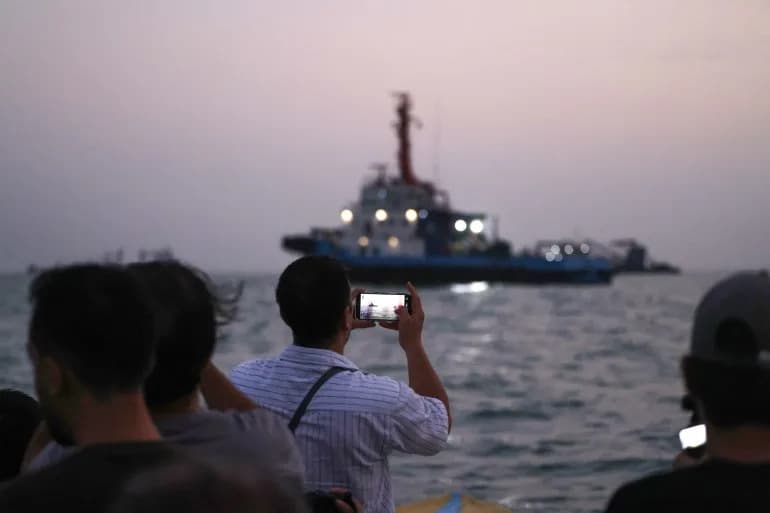
U.N. official Kaveh Madani warned that Iran may target desalination and energy infrastructure across the Middle East within days, potentially sparking a regional water crisis and broad economic fallout. The threats followed a 48-hour U.S. warning to reopen the Strait of Hormuz or face strikes on Iranian power facilities. Analysts say attacks on desalination plants could leave millions without water and electricity, push up oil and gas prices, and create a lasting humanitarian emergency.
U.N. Warns Iran May Target Desalination Plants Within Days — Risks Regional 'Water War' and Global Economic Shock
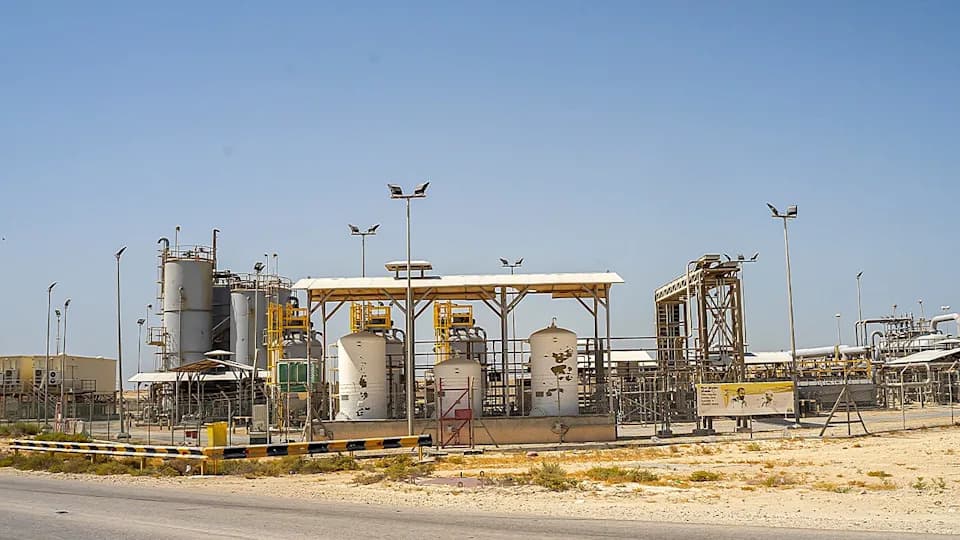
U.N. official Kaveh Madani warns desalination plants across the Middle East could be struck within days, risking a regional water crisis and global economic fallout.(Getty Images)
A U.N. official warned that Iran appears poised to target key desalination and energy infrastructure across the Middle East within days, a move that could dramatically escalate tensions with the U.S. and Israel and produce immediate economic and humanitarian ripple effects worldwide.
Kaveh Madani, an Iranian scientist serving in a U.N. role, told Fox News Digital that desalination facilities across the region could be hit "within the next few days," raising the prospect of a wider regional water emergency and disruptions to global markets.
The warnings followed a 48-hour ultimatum from U.S. President Donald Trump that American forces would strike Iranian power infrastructure unless the Strait of Hormuz was reopened. In response, a spokesperson for the Central Headquarters of Hazrat Khatam al-Anbiya (PBUH) said that if Iran’s fuel and energy systems are attacked, Tehran would target "all energy, information technology, and desalination infrastructure belonging to the US and the regime in the region."
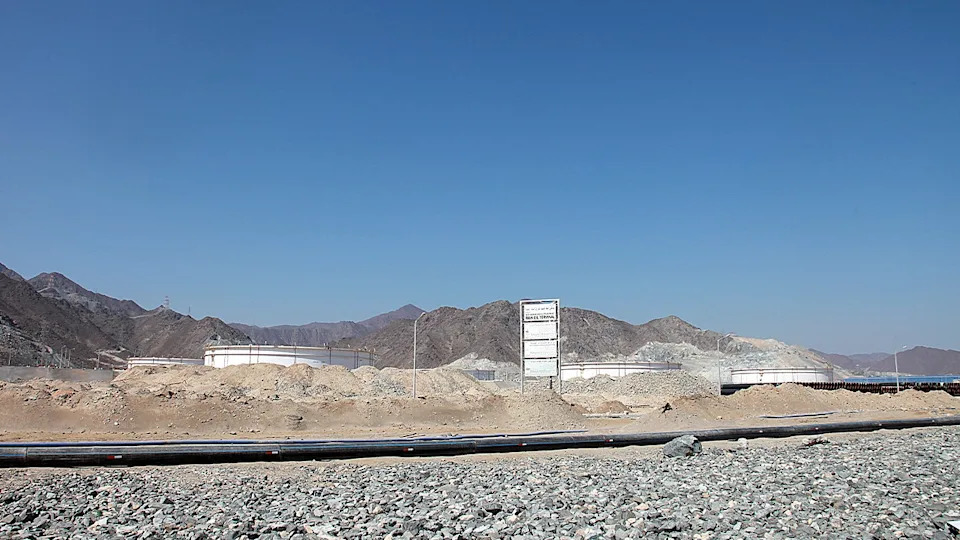
Iran threatens to target desalination and energy infrastructure within days, a U.N. official warns, citing lasting consequences for global markets and water supplies.
Madani described the potential escalation as a new phase of the conflict that extends beyond military assets to vital civilian services. He warned that damage to desalination plants, water-treatment facilities, pumping stations and distribution networks would have "catastrophic and lasting" consequences for a region already short on freshwater.
"The driest region of the world might see a real water war, but the knock-on effects on the world’s economy, including the U.S., will be both immediate and lasting," Madani said.
Officials and analysts note the conflict — now in its fourth week — has reportedly moved beyond conventional military targets, with allegations that a desalination plant on Iran’s Qeshm Island and another in Bahrain have been struck. Desalination is a cornerstone of potable water supplies for Israel and many Gulf states where natural freshwater is scarce.
Mohammad-Bagher Ghalibaf, speaker of Iran’s parliament, reiterated Tehran’s warnings on X, saying that if Iran’s power plants are attacked, "critical infrastructure, energy, and oil across the region will be irreversibly destroyed, and oil prices will rise for a long time." Madani added that widespread blackouts would cause water-treatment and distribution systems to fail in parts of the region.
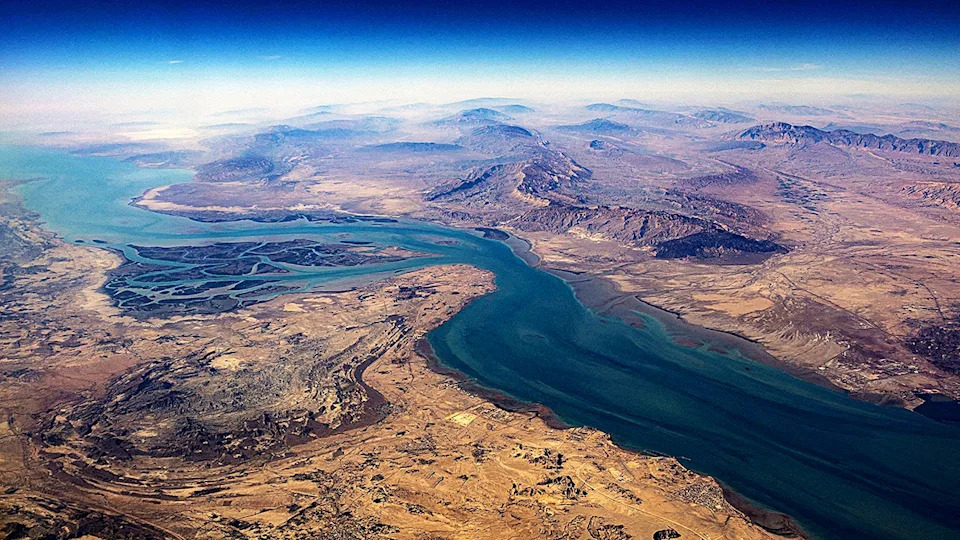
An aerial view of the island of Qeshm, separated from the Iranian mainland by the Clarence Strait, December 10, 2023.
Madani also noted that Iran relies less on desalination than some neighbors and therefore explicitly lists those plants as potential retaliatory targets because they are a strategic vulnerability for other parties. Nonetheless, Iran faces significant long-term water stress after years of drought, resource mismanagement and declining groundwater levels.
Holly Dagres, Libitzky Family Senior Fellow at the Washington Institute for Near East Policy, said shortages inside Iran would not necessarily trigger mass unrest. "The unfortunate truth is that the Islamic Republic would rather allow the country to burn than appear weak while it is facing an existential threat," she said.
Implications
If desalination and power infrastructure are attacked or disabled, millions could lose reliable access to water and electricity, regional oil and gas prices could rise further, and the strategic closure of the Strait of Hormuz would amplify economic and humanitarian consequences globally. Observers caution that targeting civilian infrastructure risks intensifying a humanitarian crisis and drawing in broader international responses.
Developments remain fluid. Many of the reported strikes are described as alleged or unconfirmed; independent verification is limited. The situation bears close watching for further official statements and on-the-ground reporting.
Help us improve.