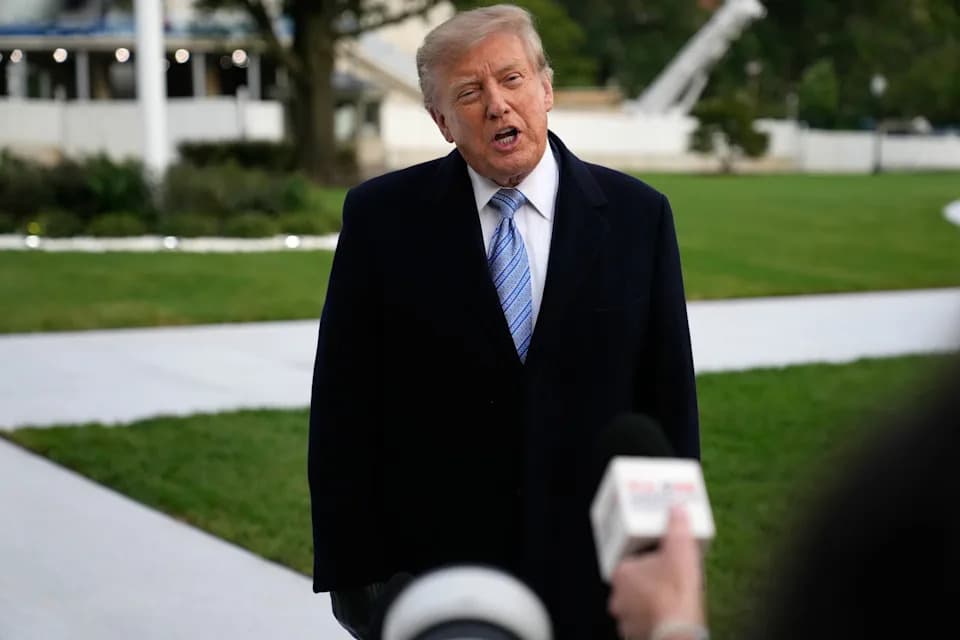
Leon Panetta, former defence secretary and CIA director, says President Trump is chiefly responsible for the spiralling Iran crisis after a conflict that began on 28 February. Iran’s effective closure of the Strait of Hormuz has disrupted global oil markets, forcing the U.S. into a painful strategic choice: use military force to reopen the waterway or declare an empty victory without securing a ceasefire. Panetta criticises the administration’s preparedness, its handling of alliances and its public messaging, and warns that expanding the campaign risks more casualties and wider economic harm.
‘Nobody Else Is Responsible’: Panetta Says Trump’s Decisions Sparked Iran Crisis
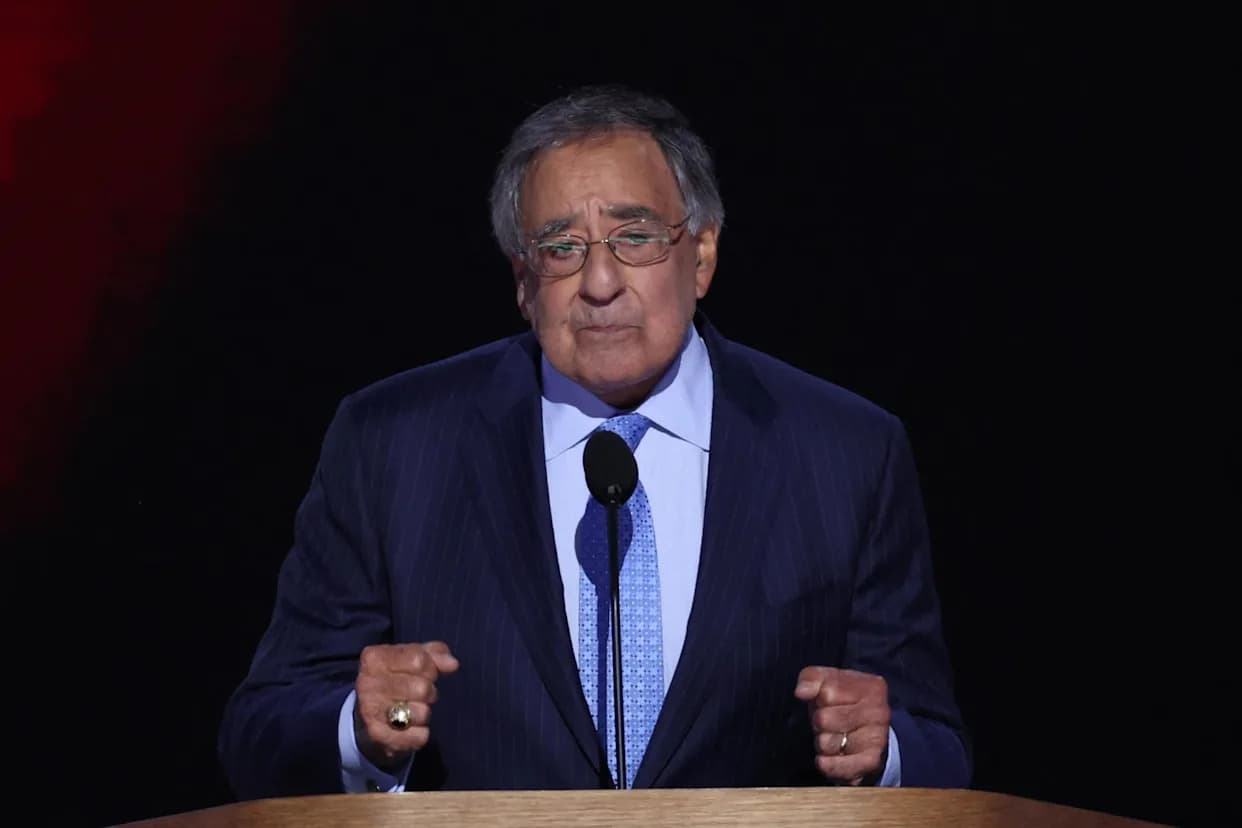
Leon Panetta, the former defence secretary and CIA director, at the Democratic national convention in Chicago in 2024.Photograph: Mike Segar/Reuters(Photograph: Mike Segar/Reuters)
Former defence secretary and CIA director Leon Panetta says President Donald Trump bears primary responsibility for the escalating crisis with Iran after three weeks of conflict that began on 28 February. Panetta warns the president is "between a rock and a hard place," with the closure of the Strait of Hormuz threatening global energy supplies and leaving few easy exit options.
Panetta’s Assessment
Panetta, who served in the Clinton and Obama administrations and oversaw the operation to find and kill Osama bin Laden, emphasised that U.S. national security teams have long recognised Iran’s ability to disrupt energy flows by obstructing the Strait of Hormuz. "This is not rocket science," he said. "If you’re going to conduct a war with Iran, one of the great vulnerabilities is the Strait of Hormuz, and it could create an immense oil crisis that could drive the price of fuel sky-high."
"He tends to be naive about how things can happen. If he says it and keeps saying it there’s always a hope that what he says will come true. But that’s what kids do. It’s not what presidents do." — Leon Panetta
How the Crisis Unfolded
The conflict intensified on 28 February after a surprise strike by Israel killed Iran’s supreme leader, Ayatollah Ali Khamenei. The United States and Israel quickly established air superiority, but as fighting continued the initial initiative appeared to falter. Thirteen U.S. service members and, according to Iranian health officials, more than 1,400 Iranians have been reported killed. Khamenei was succeeded by his son, Mojtaba Khamenei.
In retaliation, Tehran has effectively closed the Strait of Hormuz, a strategic chokepoint through which roughly a fifth of the world’s traded oil passes. The disruption has already unsettled global energy markets and driven up fuel prices.
Options and Risks
Panetta criticised the administration for a lack of preparation and for downplaying foreseeable consequences. He outlined two stark options for the president: expand the military campaign to force the strait open — an operation that would likely cost lives and broaden the war — or attempt to declare victory and withdraw, a move Panetta says would be perceived as failure if it did not produce a ceasefire.
"If there was an escape here for Trump, it would be to declare victory and it’s over," Panetta noted. "The problem is he can declare victory all he wants but, if he doesn’t get the ceasefire, he’s got nothing. And he’s not going to get a ceasefire as long as Iran is holding the gun of the Strait of Hormuz against his head."
Alliances, Messaging and Conduct
Panetta also criticised Trump’s handling of alliances and public messaging. He said the administration’s strained relations with NATO and other partners, combined with mixed signals about objectives and timetables, have limited international support. Panetta described recent White House media tactics — including provocative montage videos and a fundraising email using a photo from a dignified transfer of fallen soldiers — as "tasteless" and counterproductive, projecting weakness rather than strength.
He dismissed the conduct of Pentagon figures who appear to echo the administration’s more bombastic rhetoric, saying: "He’s not a secretary of defence. He is simply an enabler for whatever Trump wants him to do."
Civilian Costs and Norms
Panetta, who was born during Franklin Roosevelt’s presidency, said he has never seen a commander-in-chief so willing to break long-standing norms. He pointed to a Tomahawk missile strike that hit a girls’ school in southern Iran on the first day of the conflict, which reportedly killed many children. Panetta said any other president would have acknowledged and apologised for such a mistake; in his view, Trump’s refusal to do so reinforces a negative image of the United States abroad.
What Panetta Recommends
Panetta urged the president to abandon "magical thinking" and face the hard choices: if the goal is to restore the flow of oil, a targeted military operation to neutralise coastal defences and escort tankers may be necessary, though it risks expanding the conflict. "There’s not much choice," he said. "You’ve got to do what you have to do and, if you can open the strait, it might give you a better chance to then have a basis on which you can negotiate hopefully some kind of ceasefire."
Background
Panetta is an ex-Army intelligence officer who served as White House chief of staff under Bill Clinton, then as CIA director and as the 23rd secretary of defence under Barack Obama. He now chairs the Panetta Institute for Public Policy at California State University, Monterey Bay. His son, Jimmy Panetta, is a Democratic congressman from California and a former Navy Reserve intelligence officer.
Help us improve.