Lebanon is facing a deadlier wave of strikes just 18 months after the last war. More than 1,000 people have been killed since March 2, and at least 111 children have died in the current campaign, according to Lebanese health ministry figures. Precision assassination-style strikes and broad bombardment have generated intense civilian fear and displaced roughly 1 million people, while aid agencies warn that funding cuts and growing sectarian tensions risk deepening the humanitarian crisis.
Eighteen Months After the Last War, Lebanon Faces a Deadlier, More Targeted Round of Strikes
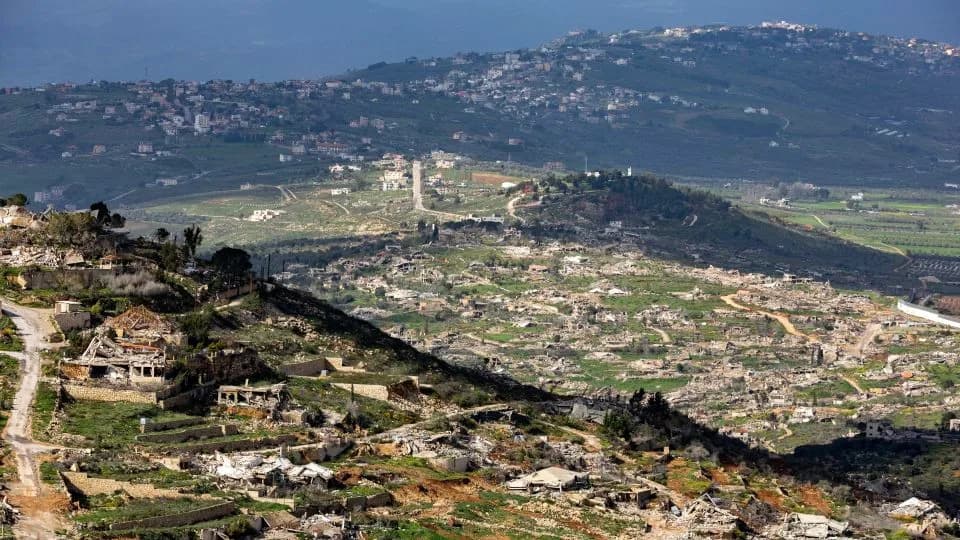
The Israel Defence Forces have repeatedly issued evacuation orders for wide swathes of southern Lebanon, as it targets Hezbollah personnel and infrastructure. - Odd Andersen/AFP/Getty Images
Lebanon is enduring a new, heavier wave of strikes just 18 months after the previous war, and many Lebanese say this round feels sharper and more psychologically fraught than earlier clashes.
The Surge
More than 1,000 people have been reported killed since March 2, when Hezbollah fired projectiles into Israel, citing retaliation for actions connected to Iran; Israel responded with intense air and artillery strikes. The fighting has included both broad bombardment and narrow, precision strikes that have deepened civilian fear.
Civilian Toll And Displacement
Entire neighbourhoods in Beirut bear the scars of earlier wars, but this conflict has made daily life visibly precarious. Cars line major roads filled with families who fled their homes, turning central arteries into impromptu camps. Lebanese health ministry figures attribute at least 111 child deaths to the current campaign, a toll that has renewed concerns about civilian casualties. UNICEF figures from last year recorded just over 100 child deaths in the 2024 conflict; recent losses have already surpassed that number.
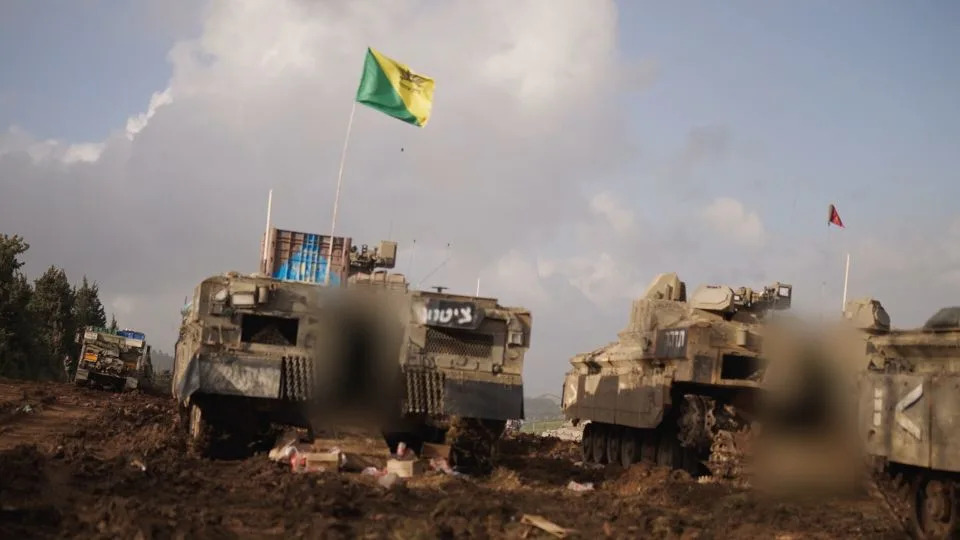
The Israeli military released footage from the Golani Brigade’s preparations for targeted ground operations in southern Lebanon from the past week. - Clipped From Video
Stories From The Ground
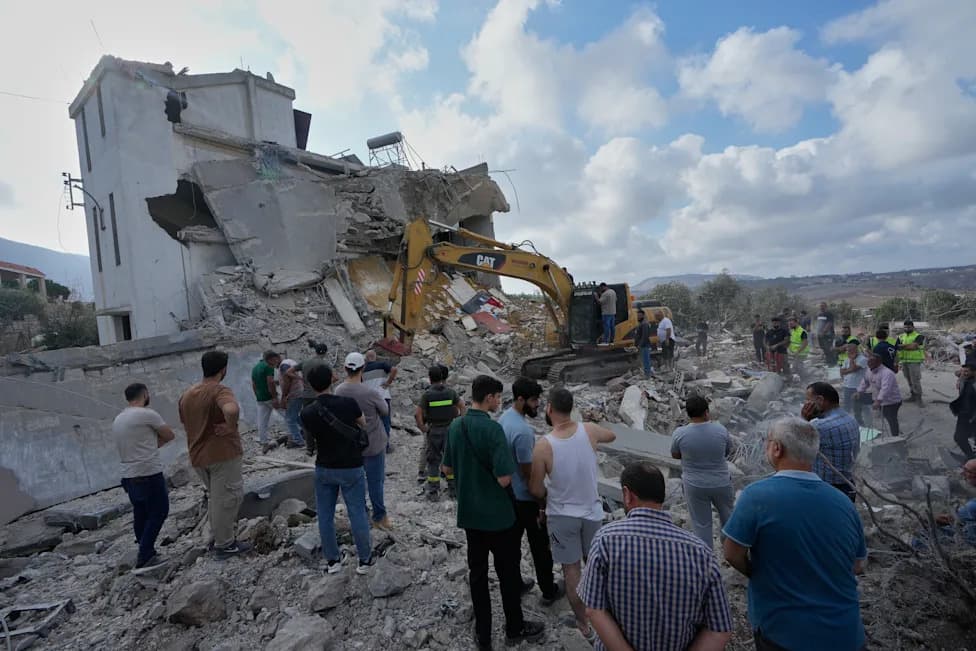
In the southern village of Irkay, a single strike flattened a grandparents' home, killing five children aged six to 13 along with multiple adults. Relatives and neighbours told reporters there was no sign the house was used for military purposes. At the funeral, a woman cried out, 'May God destroy you, Israel!' as strikes continued in the distance.
We have a terror organization who have a strategy to put our civilians in the line of fire and their civilians in the line of fire. We're doing everything we can to avoid that,
— Nadav Shoshani, IDF international spokesperson (quoted by CNN)
Families and local witnesses, including Mohammed Rida Taqi — who lost four children and was injured in the same strike — strongly dispute military claims that civilian sites are used by fighters. 'Were there any Hezbollah martyrs? We’re a family,' he said.
Psychological Impact And Targeted Strikes
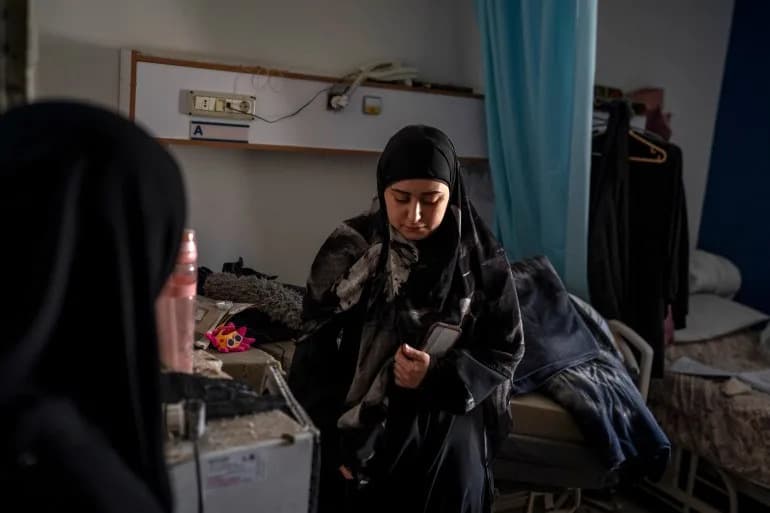
Residents describe a new kind of dread. Alerts sometimes precede strikes, but many attacks arrive without warning. Precision assassination-style strikes that hit single windows or isolated targets have added a sharp psychological edge to the conflict, reaching central Beirut, Christian districts and areas near tents sheltering displaced people.
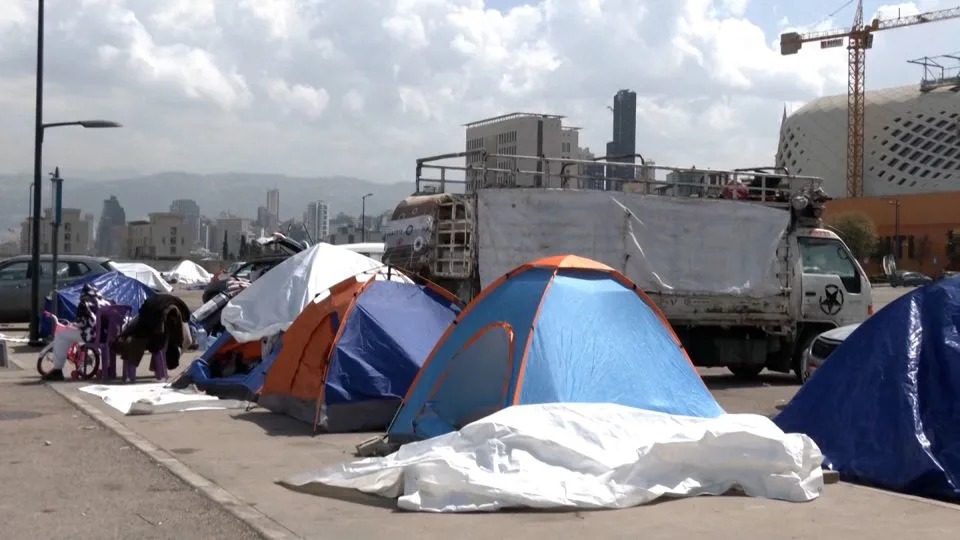
More than 1 million people have been internally displaced in Lebanon since the start of the current conflict. - Reuters
Fear Of Gaza-Scale Devastation
Witnessing the destruction in Gaza, many in Lebanon fear a similar fate. 'Lebanon used to be prosperous. But now Lebanon is destroyed; there is no Lebanon anymore,' said Sanaa Ghosn at a Beirut shelter. Rhetoric from some Israeli officials has intensified those fears, with warnings that parts of southern Beirut could be reduced to scenes resembling devastated Gaza neighborhoods.
Social Strains And Humanitarian Concerns
Approximately 1 million people have been displaced, placing enormous pressure on communities and shelters. Aid workers report landlords screening renters and online attacks targeting internally displaced people, which risks increasing sectarian tensions. The UN and refugee agencies warn that many displaced families had not fully recovered from the previous conflict and that further deterioration is likely as humanitarian budgets are squeezed after reductions in international funding.
Along Beirut’s waterfront, parks and promenades have become rows of tents. Volunteers hand out evening iftar meals during Ramadan. Shelters filled quickly when the war began; some schools and community centers now house hundreds of families.
What This Means
The combination of wide-area bombardment, precise assassination-style strikes, and an overwhelmed humanitarian response leaves Lebanon facing an increasingly fragile situation. Many Lebanese fear enduring damage to infrastructure, social cohesion and livelihoods that could last for years.
Additional reporting by Lisa Courbebaisse and Elina Baudier Kim.
Help us improve.