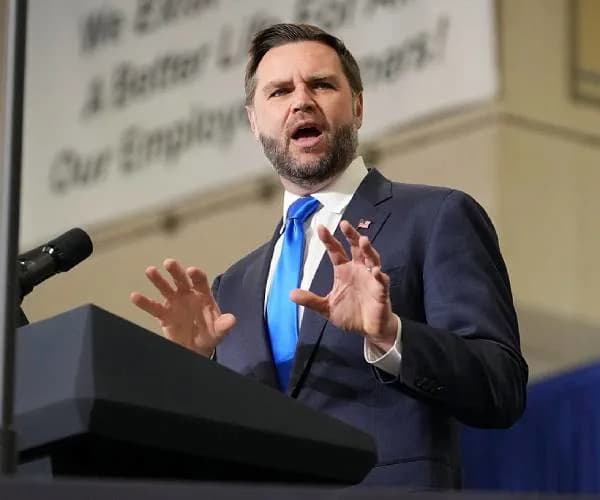
Historian Victor Davis Hanson told "Hannity" he believes the Iranian regime could collapse within weeks if the current aerial campaign and allied operations continue to shift momentum in the Middle East. He praised a strategy emphasizing intelligence, drones and precision strikes instead of large ground deployments. The campaign — three weeks into Operation Epic Fury — has included strikes on senior Iranian figures and the deployment of additional warships and about 2,500 Marines amid Iran’s blockade of the Strait of Hormuz. Claims about the death of Iran’s supreme leader were aired on television but remain unverified.
Victor Davis Hanson: Iranian Regime Could Collapse ‘Within Weeks,’ He Says
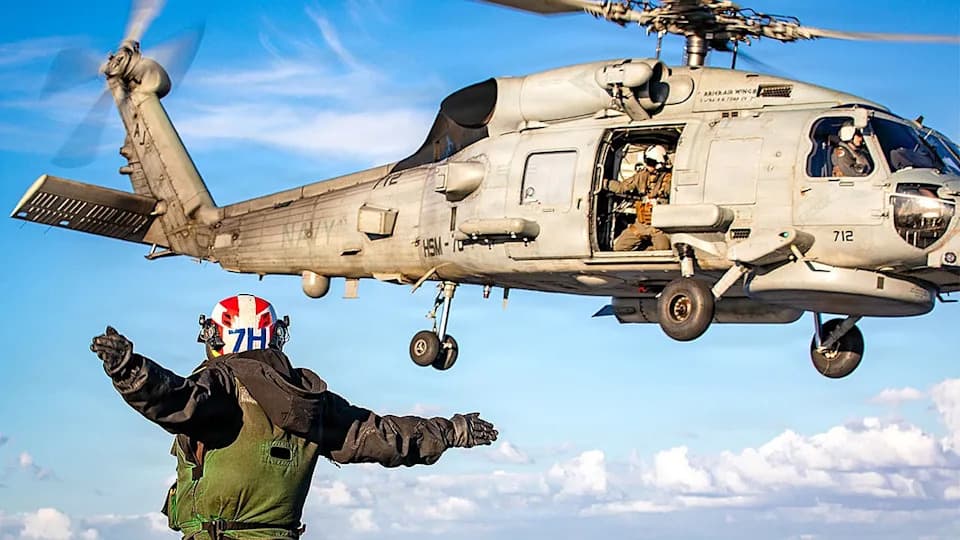
A U.S. sailor signals the launch of an MH-60R Sea Hawk helicopter aboard the aircraft carrier USS Gerald R. Ford while supporting Operation Epic Fury at sea on Feb. 28.(Getty Images)
Historian Victor Davis Hanson told viewers on "Hannity" that the Iranian regime could "fall pretty soon" as President Donald Trump’s aerial campaign and allied operations continue to shift momentum in the Middle East.
Speaking Thursday, Hanson — a senior fellow at the Hoover Institution — said he believes the administration’s approach is producing results three weeks into the joint U.S.-Israeli operation dubbed Operation Epic Fury. He predicted the regime could collapse "in two, three, four weeks" if the campaign is sustained and allies continue to align behind the effort.
Targeted, Technology-Driven Strategy
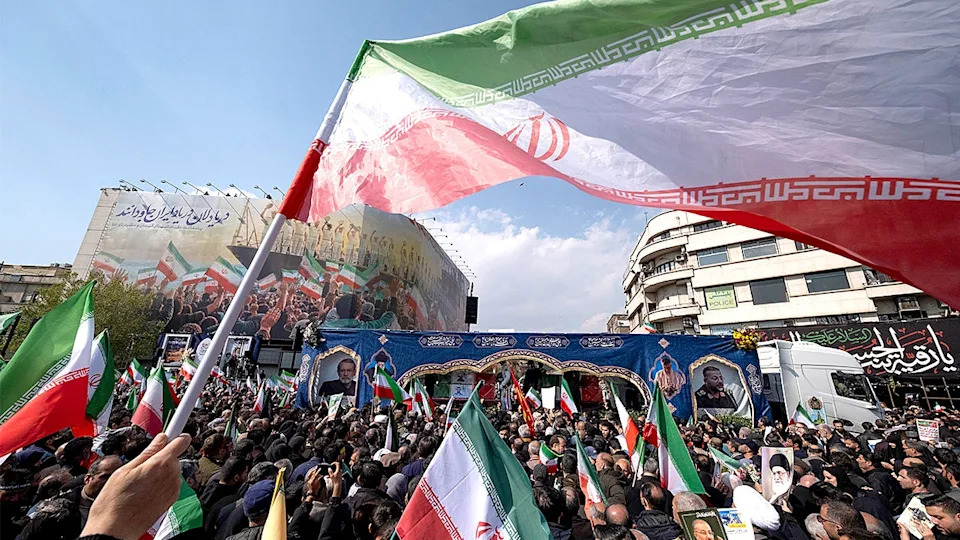
A truck carries the coffins of Ali Larijani, secretary of Iran’s Supreme National Security Council, and Gholamreza Soleimani, commander of the Basij paramilitary forces, during a funeral procession in Tehran on March 18.
Hanson argued the current campaign differs from past large-scale ground wars in Iraq and Afghanistan by avoiding mass troop deployments. "We're not going to put people in a Fallujah-like context where they're going door-to-door against jihadists," he said. "We're going to play to our strength — intelligence, technology, firepower — using enhanced drones and satellite reconnaissance to identify individual commanders."
"If Trump sees it through, and I think he will, I think they're [going to] fall pretty soon," Hanson said on air.
Maritime Pressure and Regional Responses
The campaign has broadened beyond strikes: three additional warships and roughly 2,500 Marines have been deployed to the region in response to Tehran’s blockade of the Strait of Hormuz, a disruption that has contributed to higher oil prices. President Trump has publicly expressed frustration that some allies are not taking a larger role in reopening the waterway; British officials have said U.S. forces may use U.K. bases to launch strikes against Iranian missile sites threatening vessels in the strait.
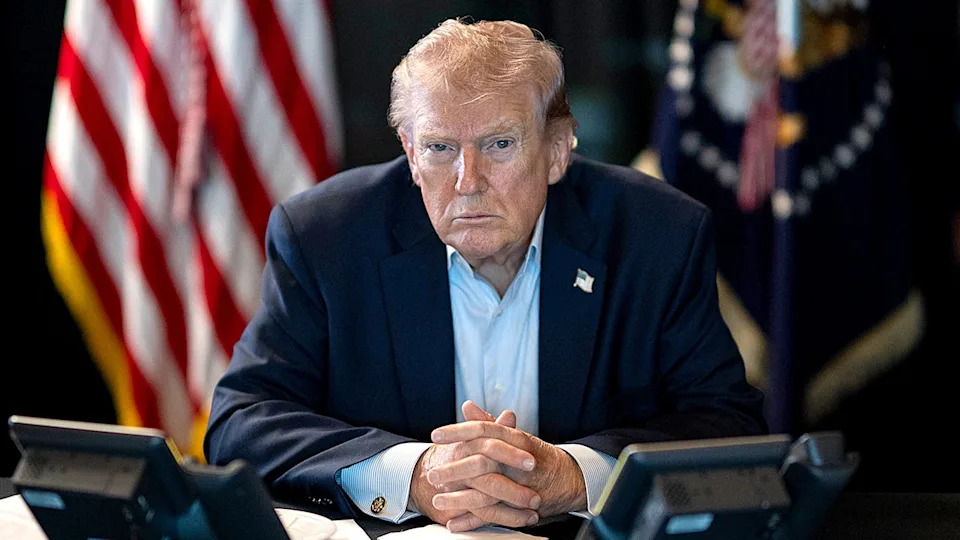
President Donald Trump sits at a table monitoring military operations during Operation Epic Fury against Iran at the White House in Washington, D.C., on March 2.
Claims About Iran’s Leadership
On-air accounts referenced strikes that they say resulted in the death of Iran’s Supreme Leader, Ayatollah Ali Khamenei, on Feb. 28 and the emergence of a new supreme leader, Mojtaba Khamenei. These claims were presented in the television segment and have not been independently verified. Readers should treat such dramatic developments as unconfirmed until corroborated by multiple, reliable sources.
Hanson said the combination of targeted strikes, maritime reinforcement and allied basing arrangements reflects a strategy aimed at applying sustained pressure on Iran’s leadership while minimizing U.S. ground casualties.
Help us improve.