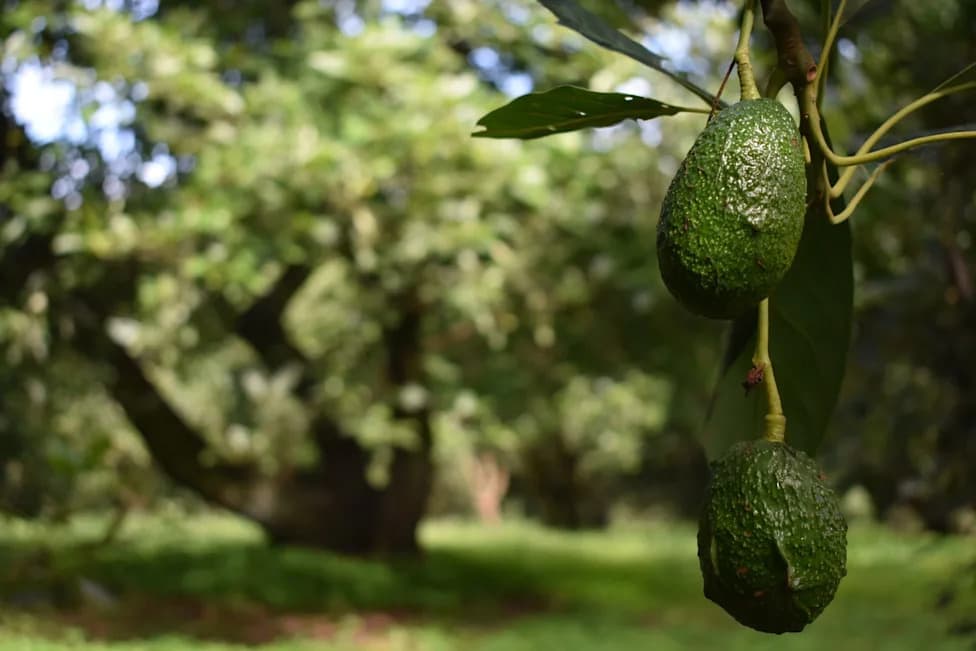
The remote community of Guajes de Ayala in Guerrero has formed a roughly 50-person self-defense militia armed with AK-47s, AR-15s, grenades and drones after confrontations with La Nueva Familia Michoacana. The group rearmed in 2020 and again in October when cartels resumed incursions, setting up fentanyl labs and using drones. The conflict has displaced hundreds, left schools and clinics closed, and raises fears that the killing of cartel leader El Mencho could spark renewed violence as criminal groups reorganize.
Guerrero Villagers Form Armed Self-Defense Militia as Cartels Push In
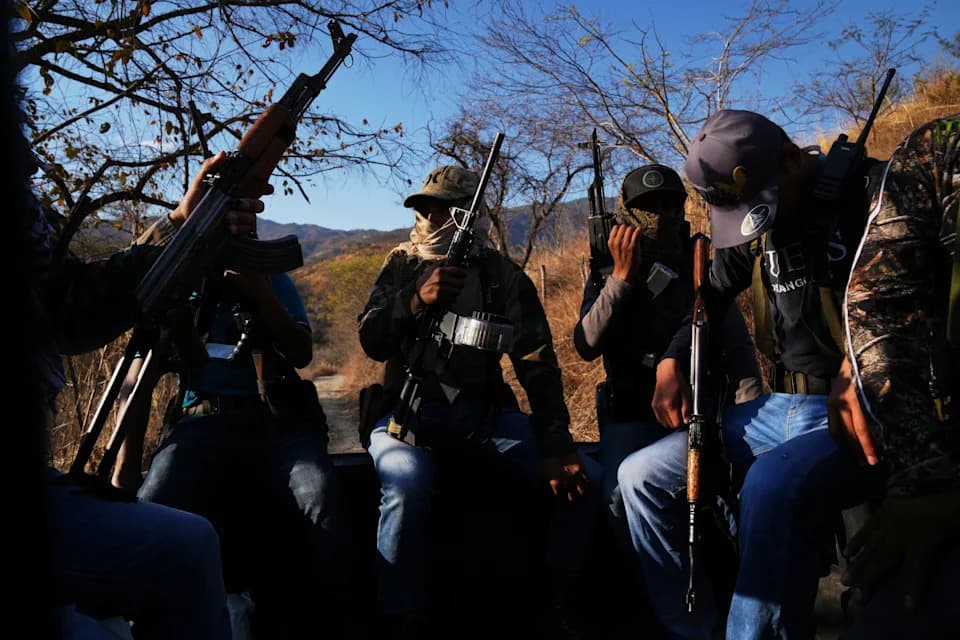
Members of a local self-defense group formed by residents in response to cartel violence patrol in Guajes de Ayala, Mexico, Tuesday, March 10, 2026. (AP Photo/Marco Ugarte)(ASSOCIATED PRESS)
GUAJES DE AYALA, Mexico — Jesús Domínguez moves through dense brush on a rugged mountainside with an AK-47 slung across his shoulder and a grenade attached to his leather belt as he patrols with a camouflage-clad group protecting their remote community.
He is one of roughly 50 members of a local self-defense force—one of dozens of so-called autodefensas that have emerged across Mexico over the past decade where security forces rarely reach. The group says it formed after the cartel La Nueva Familia Michoacana tried to seize control of seven mountain communities and began illegal logging, recruiting locals and establishing drug operations.
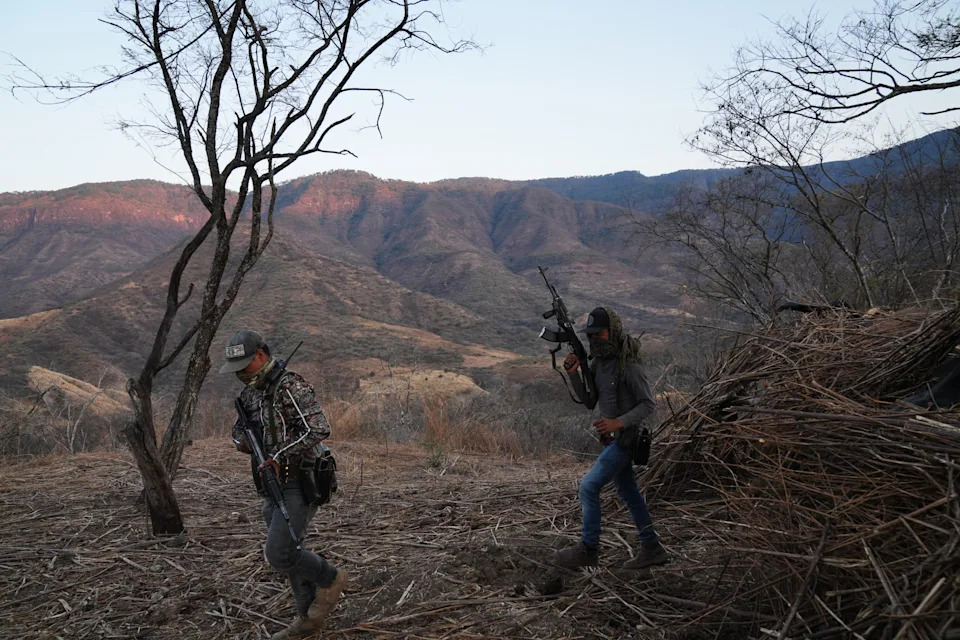
Members of a local self-defense group formed by residents in response to cartel violence stand guard in Guajes de Ayala, Mexico, Tuesday, March 10, 2026. (AP Photo/Marco Ugarte)(ASSOCIATED PRESS)
How the Fight Began
With little or no presence from federal or local security forces, villagers armed themselves in 2020 and again rearmed in October when they say the cartel renewed incursions, set up fentanyl labs and began surveillance with drones. Sporadic gunbattles forced many residents to flee on foot across remote terrain. A community that once counted about 1,600 people has dwindled to roughly 400.
"We don’t want to be part of their ranks and we don’t want to leave our lands," said Javier Hernández, leader of the self-defense group. "We don’t want to be slaves to any cartel."
Weapons, Tactics and Links
The vigilantes say they use drones, drone-detection equipment, tapped radio frequencies and mountain lookout posts to monitor cartel positions. Fighters carry AK-47s and AR-15s often stamped Made in USA, and some weapons trace back to manufacturers in U.S. states and overseas markets—consistent with long-running arms-smuggling routes into Mexico.
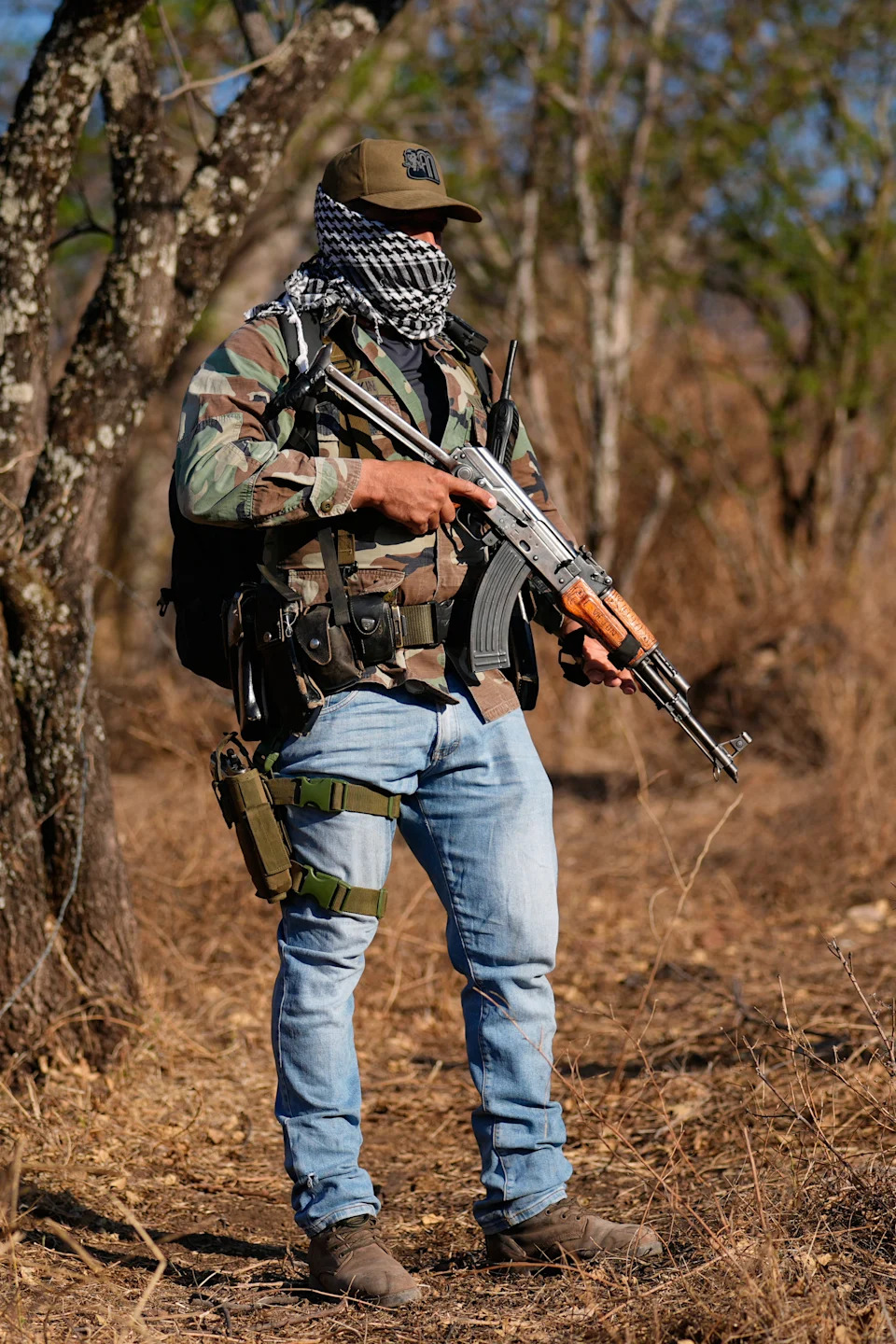
A member of a local self-defense group formed by residents in response to cartel violence stands guard in Guajes de Ayala, Mexico, Tuesday, March 10, 2026. (AP Photo/Marco Ugarte)(ASSOCIATED PRESS)
Some men in the force acknowledge complex ties to criminal networks: a few say they purchased weapons through middlemen tied to cartels, one claims to be a former member of the Jalisco New Generation Cartel who was paid to join, and others insist the group has resisted co-option by larger criminal organizations.
Human Cost
The conflict has hollowed out villages. Empty homes and shuttered schools and clinics reflect a community traumatized by kidnappings, threats and disappearance. Marisela Mojica, mother of one militia member, sent six children and grandchildren away after a daughter was kidnapped. "If they come to kill us all, I want one of us to still be alive," she said. She has not seen some family members in years.
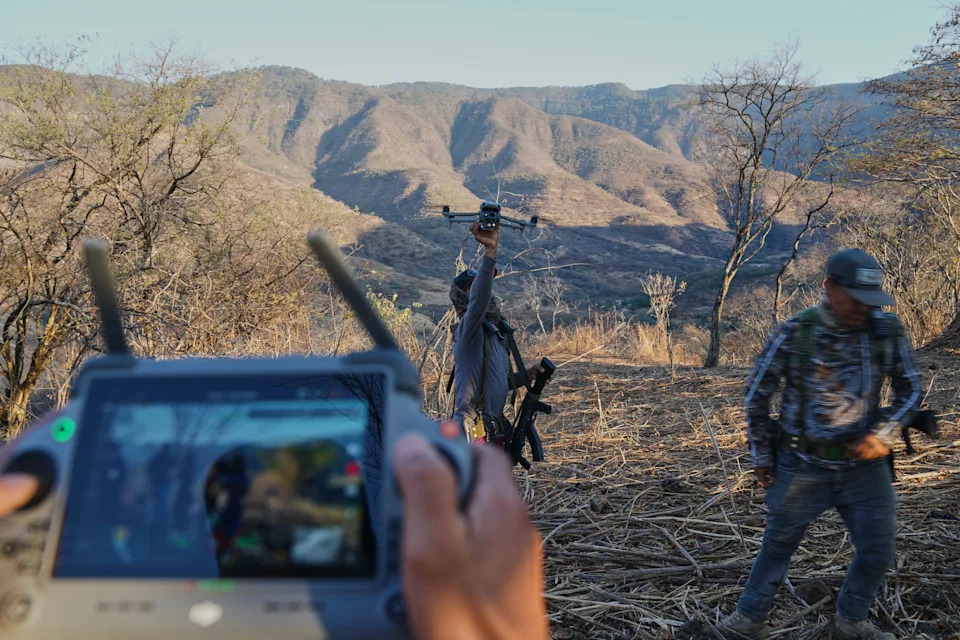
Members of a local self-defense group formed by residents in response to cartel violence fly a drone in Guajes de Ayala, Mexico, Tuesday, March 10, 2026. (AP Photo/Marco Ugarte)(ASSOCIATED PRESS)
Wider Context And Risks
Guerrero has a long history of militancy and fractures among criminal organizations have produced a mosaic of competing cartels and local gangs. A 2025 DEA report cited five major cartels operating in the state alongside numerous local groups and vigilante forces. Analysts warn the killing of Nemesio Oseguera Cervantes, known as El Mencho, could provoke violent power struggles as networks reorganize.
Mexican authorities are caught between confronting criminal groups and responding to communities that take up arms. Under President Claudia Sheinbaum, security operations have intensified and official homicide figures have fallen, but residents in remote areas say government protection remains uneven.
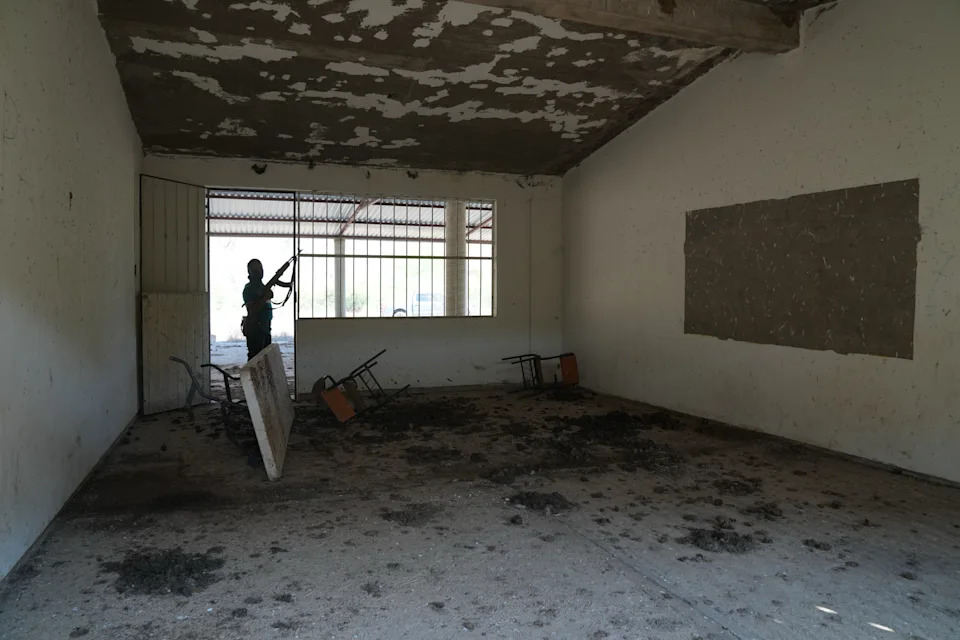
A member of a local self-defense group formed by residents in response to cartel violence guards a closed school in Guajes de Ayala, Mexico, Wednesday, March 11, 2026. (AP Photo/Marco Ugarte)(ASSOCIATED PRESS)
"These mountains are a place of silence," Hernández said. "You have no voice, and no one hears you."
Follow AP’s coverage of Latin America and the Caribbean at https://apnews.com/hub/latin-america
Help us improve.