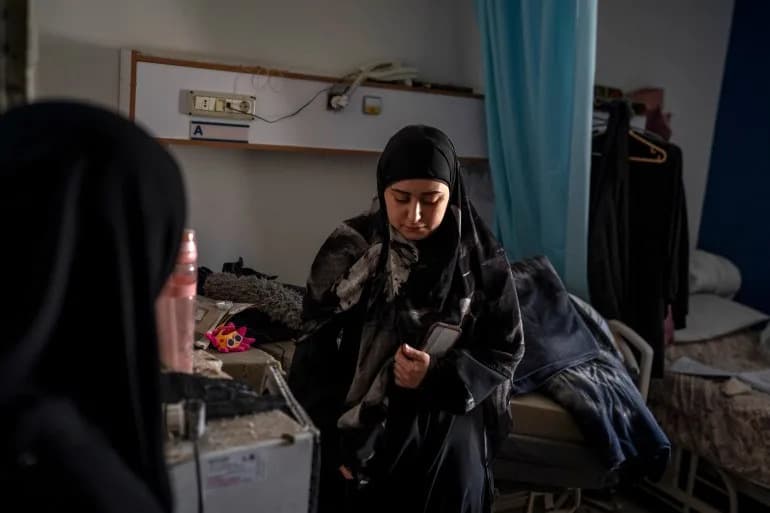
Lebanese children and adolescents are facing deep disruption as renewed conflict forces mass displacement, interrupts schooling and brings bereavement. More than one million people have been registered as displaced since March 2, and authorities report over 1,000 fatalities — including 118 children. Mental-health specialists warn that cumulative trauma and ongoing instability greatly increase the risk of PTSD and other psychiatric disorders. Short-term relief programs exist, but experts emphasize the urgent need for sustained mental-health care and safe education to protect a generation.
“War Has Aged Us”: Lebanese Youth Bear the Scars of Repeated Conflict
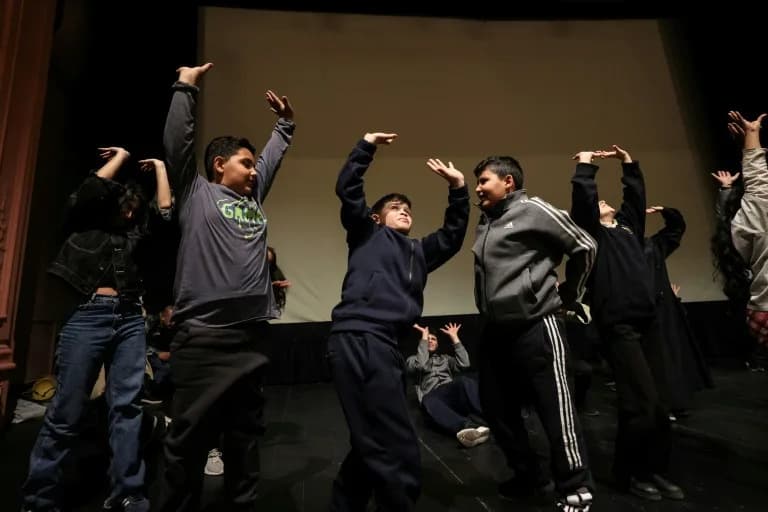
Theatre helps displaced Lebanese children overcome the pain of war (Anwar AMRO)(Anwar AMRO/AFP/AFP)
Forced to flee his home for a second time in just two years and mourning relatives and friends, 16-year-old Hassan Kiki says he feels far older than his years. "War has aged us... We have lived through what no one else has," the tall teen from southern Lebanon told AFP in Beirut.
"I miss my school, my friends... I lost two cousins and two friends in a massacre in Shehabiyeh," he added, referring to an Israeli strike on March 11 that killed at least seven people in his town.
Kiki is among more than one million people Lebanese authorities have registered as displaced since the country was drawn into the wider Middle East fighting on March 2. That day, the Iran-backed militant group Hezbollah launched rockets toward Israel, and Israel responded with widespread air strikes, ground operations near the border and evacuation warnings for large parts of Lebanon.
For many young Lebanese trapped in the crossfire, these repeated conflicts come on top of years of economic and social crises. Since 2019 the country has endured a severe financial collapse that froze bank deposits, the global COVID-19 pandemic and the catastrophic 2020 Beirut port explosion — a non-nuclear blast that killed more than 220 people and devastated large areas of the capital.
Dreams on Hold
Zahraa Fares first experienced war in 2024 when she was 14. Now 16 and displaced from the southern city of Nabatiyeh, she says her adolescence was interrupted: "We were still discovering what we like to do, what activities we enjoy... then we were displaced and could not do anything. I feel mentally crushed." She found some relief in an acting workshop at Beirut's Lebanese National Theatre, a program aimed at supporting youth affected by conflict.
Wassim al-Halabi, a 20-year-old Syrian who fled his country's war nine years ago and has lived in Lebanon since, says the renewed fighting has stalled efforts to rebuild his life. Having left university during the 2024 clashes and taken work in a restaurant, he described feeling he must "start from zero... but war started again." "Our dreams are now on hold until the war ends," he said.
Mental Health and Generational Trauma
Lebanese authorities report that Israeli strikes have killed more than 1,000 people since March 2, including 118 children. Child and adolescent psychiatrist Evelyne Baroud warned that "cumulative trauma, cumulative adverse experiences and ongoing instability and unpredictability certainly put these children at higher risk" of psychiatric disorders. "Witnessing violence, forced displacement, losing a home or a parent — all carry a very high risk of developing post-traumatic stress disorder," she said.
"My childhood is gone," Kiki said. "Material losses can be made up for, but people do not come back."
Lebanon has endured decades of conflict, including a 15-year civil war beginning in 1975 that killed tens of thousands, left thousands missing and fostered long-term political and sectarian divisions. Many young people grew up hearing their parents' stories of displacement and violence but never imagined they would experience similar upheaval themselves.
At a solidarity gathering in Beirut, 18-year-old Laura al-Hajj asked, "Why do I have so many concerns at my age? We carried burdens that are much bigger than us... I now just worry about being alive tomorrow." "From generation to generation, we are all living through wars," she added. "No child should have to go through what we went through."
Humanitarian and youth-focused groups are offering short-term relief and psychosocial support, but experts say sustained mental-health services, safe schooling and long-term stability are essential to prevent lasting harm to an entire generation.
Help us improve.