
The end of Ramadan has been clouded across the Middle East as conflict, displacement and soaring prices dampen Eid al-Fitr celebrations. Families in Lebanon are selling holiday goods to survive while Gulf states impose security measures and curb public events. Closure of Al-Aqsa Mosque and empty streets in East Jerusalem have added to the sense of loss, yet many households still mark Eid with intimate home gatherings.
Displacement, Bombs and Sirens Shadow Eid Across the Middle East
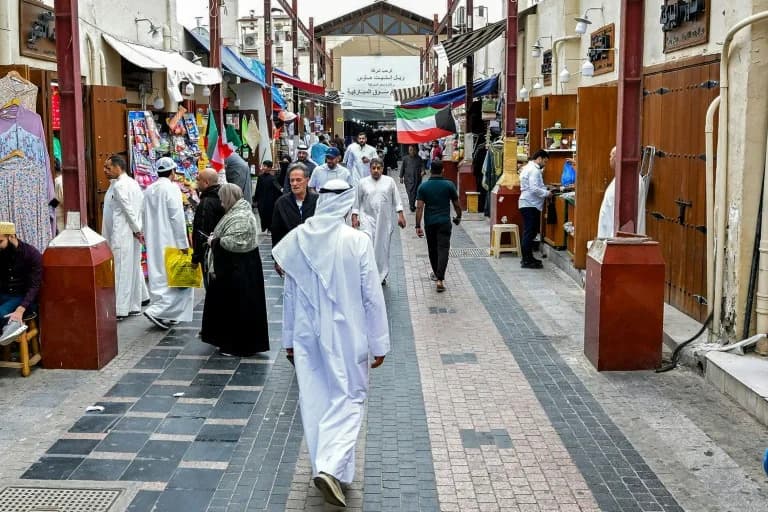
Ramadan is ending on a bitter note for millions of Muslims unsettled by the Middle East war (YASSER AL-ZAYYAT)(YASSER AL-ZAYYAT/AFP/AFP)
As Ramadan ends, Eid al-Fitr celebrations across the Middle East have been muted by war, displacement and rising costs, leaving many families to mark the holiday quietly or not at all.
In Beirut, 49-year-old Aziza Ahmad has made no plans — no special family meal and no presents for the children. Her cramped, run-down apartment now shelters 12 people. To supplement her husband’s income from washing cars, she has set up a small pastry stall on the building’s steps.
“Maybe it’s different for the rich, but the joy of Eid is missing here... We have no money, and the displaced people can’t even go back home,” Ahmad said.
As the family kneads dough and crushes pistachios in the entryway, 11-year-old Yasmine — a big pink ribbon in her hair — said, “We won’t even go out to play. Everyone is scared, Israel is striking, so we stay home.”
Gulf States On Edge
Across the Gulf, fears of missile and drone strikes have also tempered holiday mood. Countries long seen as refuges of stability have faced retaliatory attacks attributed to Tehran following a series of US- and Israeli-linked strikes on Iran that began in late February. Nearly 30 people have been reported killed in Gulf states since the conflict escalated.
Authorities in Kuwait temporarily banned plays, concerts and weddings during Eid al-Fitr to limit large gatherings, while Qatar suspended all public events until further notice. In the United Arab Emirates, outdoor Eid prayers were prohibited for security reasons and must be held inside mosques.
Faith and Access Disrupted
For Palestinians in occupied East Jerusalem, the holiday felt incomplete after Israeli authorities closed Al-Aqsa Mosque and other holy sites amid the violence. The usual streetside lanterns and festive lights were largely absent, and the narrow alleys of the Old City, normally bustling, remained quiet.
“There is a pain in our hearts because we are deprived of Al-Aqsa Mosque,” said Ihab, 30.
Everyday Life Persists, Quietly
In Bahrain, residents were jolted by air-raid sirens sounding several times a day to warn of potential threats. Still, some families are determined to preserve Eid traditions on a smaller scale. In Manama, five-year-old Sarah waited in a beauty salon to have henna applied to her hands. Her mother, Maryam Abdullah, said the family would still buy Eid necessities and celebrate privately.
“This will surely pass, and it won’t prevent us from enjoying the Eid atmosphere, even if it’s limited to visiting family at home,” she said. Hessa Ahmed, a Bahraini employee in her thirties, echoed that sentiment, saying she and friends bought clothes and accessories and planned intimate family gatherings.
Across the region, whether in storefronts, living-room gatherings or quiet streets, people balanced fear and resilience — trying to keep the meaning of Eid alive even as conflict and economic strain reshape how the holiday is observed.
Byline: Reporting and eyewitness accounts from Lebanon, the Gulf and occupied East Jerusalem.
Help us improve.





















