The partial government shutdown has left many TSA employees working without pay since Feb. 14, causing widespread callouts and resignations that have produced long security lines at airports nationwide. About 10% of the agency’s ~50,000 security officers recently called out, and DHS reports 360+ resignations since the shutdown began. TSA officers are essential and must work without pay; missed paydays triggered a surge in absences. Travelers should allow extra time, consider TSA PreCheck, and check airport wait-time updates before heading to the airport.
TSA Staffing Shortages Spark Long Airport Lines Nationwide — What Travelers Need to Know
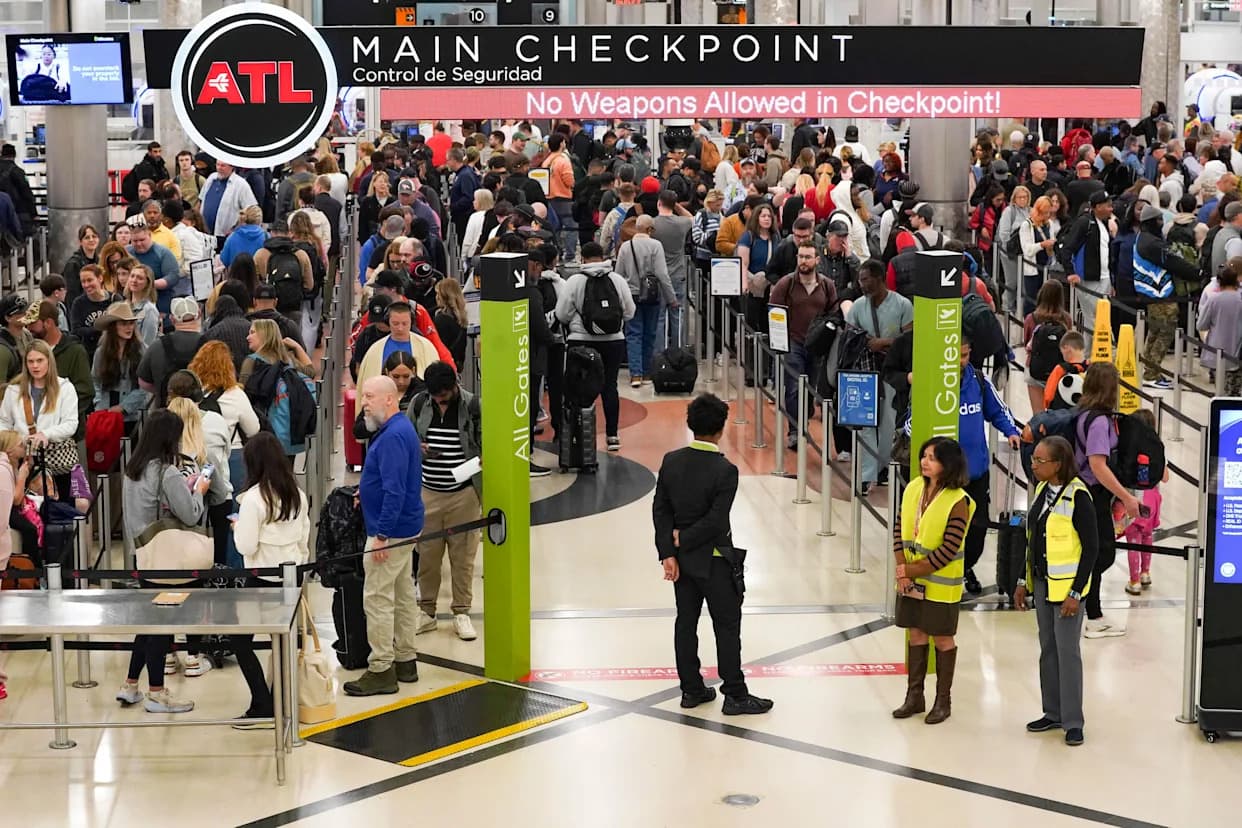
Travelers at Hartsfield-Jackson Atlanta International Airport on March 16.(Megan Varner/Getty Images)
Airports across the United States are experiencing long lines and extended wait times as staffing shortages at the Transportation Security Administration strain security checkpoints during the ongoing partial government shutdown.
Thousands of TSA employees have been working without pay since the shutdown began on Feb. 14, and many have stopped coming in. CBS News reported that roughly 10% of the agency’s roughly 50,000 security officers called out on a recent Monday. Hundreds have resigned, and at several major airports the agency was missing more than a third of its screening staff over the weekend. Those shortfalls overwhelmed checkpoints and produced significant delays, which were compounded in regions hit by a major winter storm.
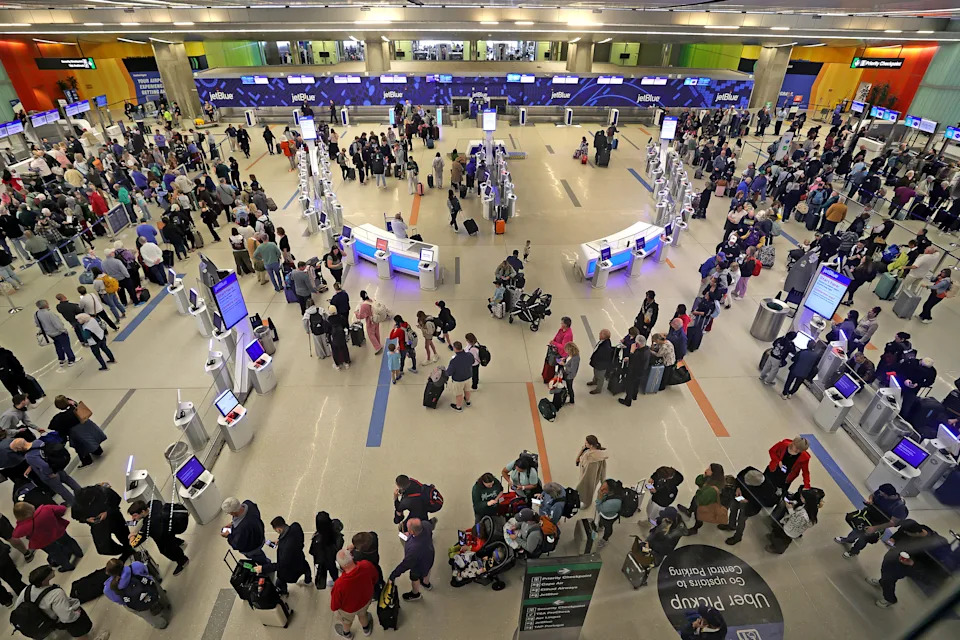
Long lines snake through Terminal C at Boston Logan International Airport.(David L. Ryan/The Boston Globe via Getty Images)
Why This Is Happening
The TSA is part of the Department of Homeland Security (DHS), which lacks full funding because lawmakers remain deadlocked over immigration policy changes. Although the dispute centers on immigration, DHS-level funding gaps mean TSA payrolls are affected. TSA officers are classified as essential, so they are required to work during the shutdown but will not receive pay until funding is restored.
How The Problem Unfolded
The staffing impact did not appear immediately because of the agency's pay schedule. In the early weeks, many officers still received pay for work performed before the funding lapse—a full paycheck early in the shutdown and a partial one in early March. After a scheduled payday passed with no pay, callouts surged and wait times rose sharply at many airports.
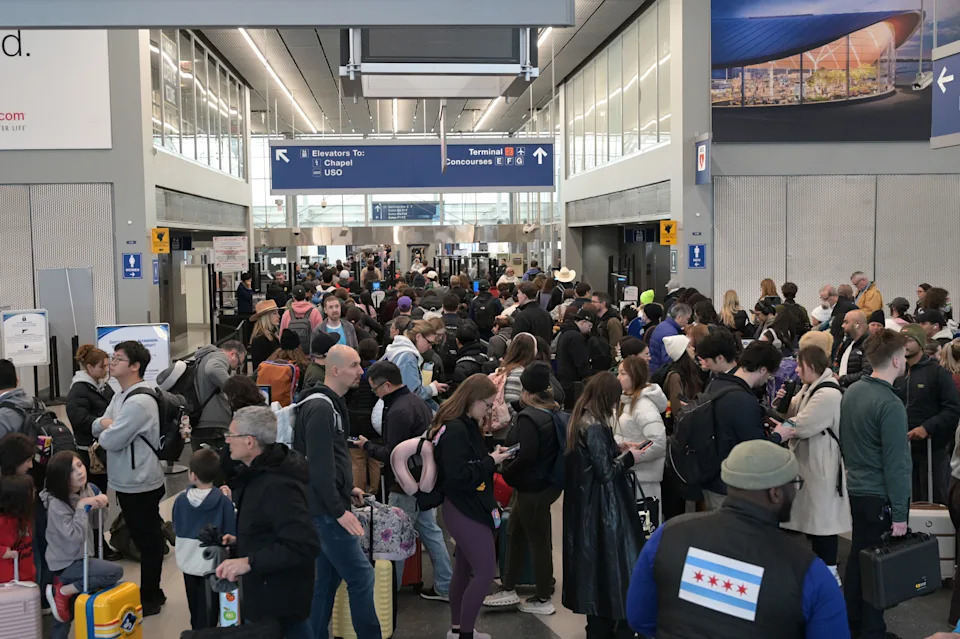
Crowded terminal walkways at Chicago's O'Hare International Airport.(Jacek Boczarski/Anadolu via Getty Images)
Is This A Strike?
No. Federal law bars TSA officers from striking or threatening strikes. The shortages are the result of individual callouts and resignations driven by financial strain, not a coordinated union action.
Risks And What Officials Warn
The scope of future disruptions is uncertain, and officials warn they could worsen if the shutdown continues. Adam Stahl, the TSA’s acting deputy administrator, told Fox News that "if this continues, it's not hyperbole to suggest that we may have to quite literally shut down airports." According to the Department of Homeland Security, more than 360 TSA security officers have quit since the shutdown began.
Political Context
Both parties share responsibility for the impasse. Democrats have refused to support broad DHS funding without immigration reforms they favor; they have offered bills to reopen non-immigration parts of DHS, including TSA, but Republicans have rejected those measures. Lawmakers remain far apart, and it is unclear when the shutdown will end.
What Travelers Can Do
- Assume delays are possible and arrive at the airport earlier than usual.
- Enroll in TSA PreCheck if you are eligible — it can speed screening, though PreCheck lines may also be affected.
- Check airport websites or airline apps for real-time security wait times before leaving for the airport.
- Consider shifting travel times to off-peak hours when security lines tend to be shorter.
- Have backup plans in case you miss a connection (know airline policies, carry essentials in a carry-on).
Bottom line: The staffing shortages are causing tangible travel disruptions. While the situation could ease if funding is restored, travelers should plan extra time and monitor updates until the shutdown is resolved.
Help us improve.