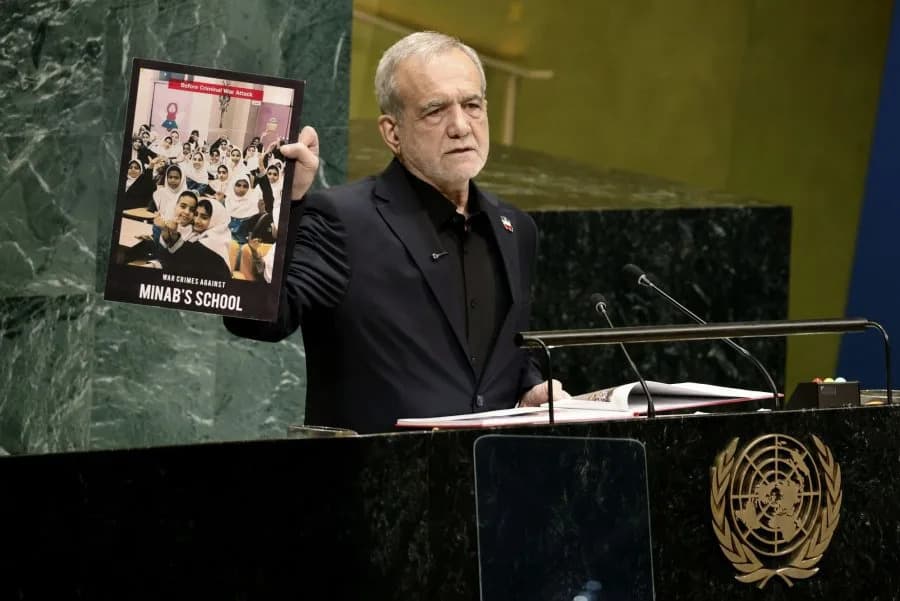
At the UN Human Rights Council, Iran's ambassador rejected criticism of Tehran's human rights record and warned that some 90 million Iranians face a "grave danger" from strikes attributed to the US and Israel. UN experts and the special rapporteur highlighted a deadly crackdown on nationwide protests and warned the conflict could deepen repression. Regional states and major powers issued sharply divergent responses, calling for investigations, de-escalation and a return to dialogue.
Iran Tells UN It Will Not Yield to 'Lawless Aggression' as Rights Concerns Intensify
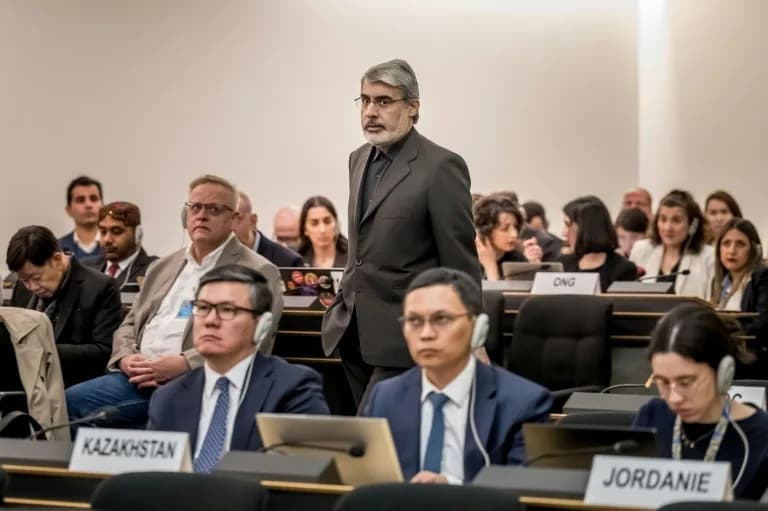
Iranian ambassador Ali Bahreini said Tehran would not submit to coercion or intimidation (Fabrice COFFRINI)(Fabrice COFFRINI/AFP/AFP)
At the United Nations Human Rights Council in Geneva on Monday, Iran's ambassador defended Tehran against international scrutiny, insisting the country would not submit to what he called "lawless aggression" and warning that some 90 million Iranians face a "grave danger" from strikes by the United States and Israel.
Iran's Message to the UN
Ambassador Ali Bahreini criticized the council's focus on Iran's domestic rights record and urged attention to what he described as external aggression "carried out by some of the most lawless and unscrupulous actors on the international stage." He said the "most urgent and fundamental human rights issue concerning Iran" is the "imminent threat" to the population amid military strikes, and warned that indifference to such actions would embolden other states to similar conduct.
"Under such circumstances, what exactly is Iran expected to do? Iran is not a nation that submits to coercion, intimidation or lawless aggression," Bahreini told the council.
Claims, Casualties and Accusations
Bahreini stated that more than 1,300 people had been killed in Iran and over 7,000 wounded since the series of strikes began. Tehran has accused the United States and Israel of striking a school in the southern city of Minab, killing civilians; Washington says it is investigating and AFP reporters do not have access to the site.
International Reactions
- Gulf States and Jordan: The six Gulf Cooperation Council members and Jordan condemned Iranian strikes on their territories, saying they endangered regional security and civilian lives.
- United States and Israel: Both countries have ceased participation in the Human Rights Council session.
- Russia: Accused the US and Israel of seeking to destroy a dissenting country and urged them to stop aggressive actions.
- China: Expressed grave concern about the strikes, condemned attacks on civilians, and called for an immediate return to dialogue.
- United Kingdom and France: Britain called for a swift return to security and stability and warned against Tehran exploiting the conflict; France urged a lasting diplomatic solution to end the war and reduce threats to neighbours and the international community.
Human Rights Concerns and Warnings
UN experts and the council's special rapporteur on Iran highlighted Tehran's harsh response to nationwide protests that began on December 28. Special Rapporteur Mai Sato said the US-Israeli strikes "remain unlawful, no matter the assumed or stated objectives," and warned that the combination of external attacks and domestic repression could lead to an intensified crackdown.
Sato noted that civil society groups have reported a conservative toll of "over 7,000 deaths" connected to the protests, a figure she described as alarming and part of a longstanding pattern of persecution predating the uprising. She cautioned that if the conflict ends with a weakened Iranian state, a larger crackdown on dissent is conceivable.
What Happens Next
The Human Rights Council held an interactive dialogue with the special rapporteur and the fact-finding mission on Iran. Member states issued divergent calls: some urged de-escalation and negotiations, others demanded accountability for alleged rights violations. Investigations into specific incidents, including the Minab school strike, remain ongoing or are being sought.
Note: Figures and allegations in this report reflect statements by governments, the Iranian delegation, UN experts and civil society groups. Some incidents remain under investigation and access to certain sites is limited.
Help us improve.