The Middle East conflict pushed Brent above $100 a barrel and pressured Asian stocks as fighting entered its third week. The US said it struck targets on Kharg Island and warned Iran could face strikes on energy infrastructure if it disrupts passage through the Strait of Hormuz. The IEA coordinated a major release of strategic reserves, with Japan beginning disbursements and Europe and North America set to follow. The EU is meeting to plan energy support and consider extending naval operations, while drone attacks in the UAE caused fires but no reported injuries.
Middle East Conflict Pushes Brent Above $100 as Global Markets React

Drivers queue to refuel rickshaws at a fuel station on the outskirts of the Sri Lankan capital, as the war's economic impact mounts worldwide (Ishara S. KODIKARA)(Ishara S. KODIKARA/AFP/AFP)
Here are the latest economic developments tied to the Middle East conflict on Monday:
Market Moves
Oil prices climbed further, with Brent trading near $106 a barrel in mid-morning European trade, up almost 3%. Asian equity markets largely retreated as the Iran-related fighting entered a third week, lifting energy prices and weighing on investor sentiment.
Military Actions and Risk to Energy Flows
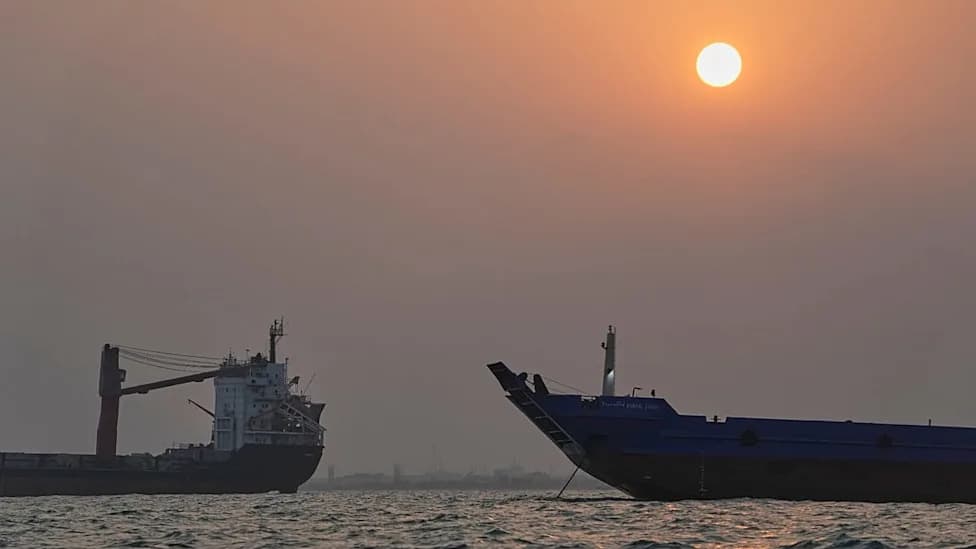
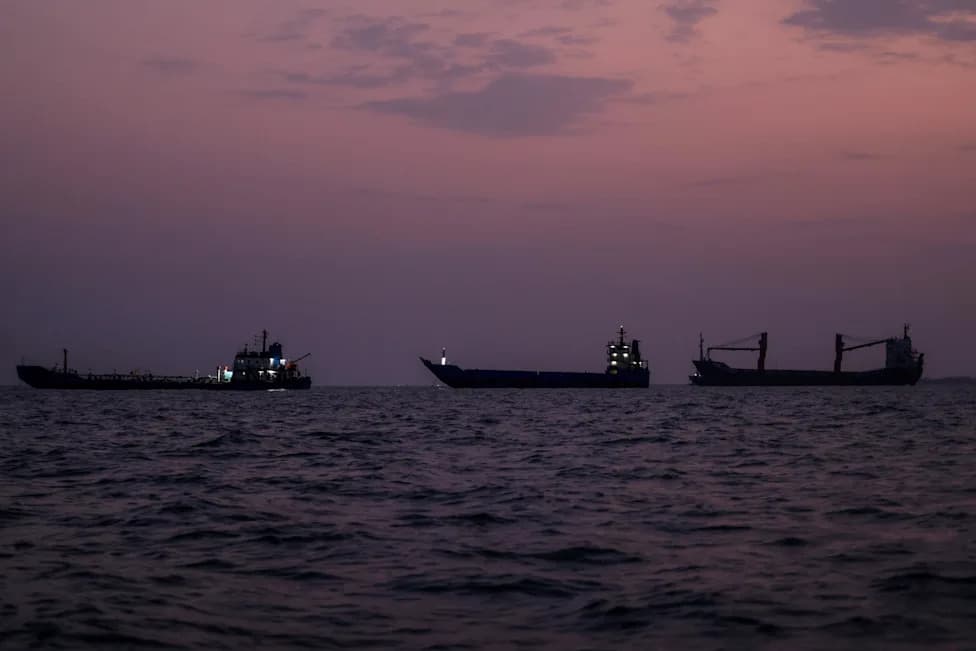
Crude rose after US President Donald Trump said forces struck military targets on Kharg Island, a small Gulf island that handles the bulk of Iran's oil exports. Mr. Trump warned that strikes could be expanded to energy infrastructure if Iran interferes with shipping through the Strait of Hormuz, which has effectively been closed since US-Israel operations began on February 28.
Oil Stock Releases Begin
Japan announced it had started releasing oil from its strategic reserves following guidance from the International Energy Agency (IEA). IEA members on March 11 agreed to a coordinated release of stockpiles to blunt the recent price surge — the largest such response on record — and said releases in Europe and North America would follow before the end of March.
EU Response and Energy Policy Talks
Energy ministers from the European Union's 27 member states met in Brussels to prepare for a leaders' summit on Thursday. Governments are considering measures to shield households and businesses from soaring energy costs, including temporary price caps, tax cuts on fuel and adjustments to the carbon-emissions trading system and electricity pricing mechanisms.
Naval Security Options
EU foreign ministers are also set to discuss whether to extend or amend the mandate of the bloc's Red Sea naval mission, Operation Aspides, to help reopen the Strait of Hormuz. Around one-fifth of the world's crude and a significant volume of gas normally transit that key waterway, making its reopening a priority for global energy security.
Diplomacy and Regional Incidents
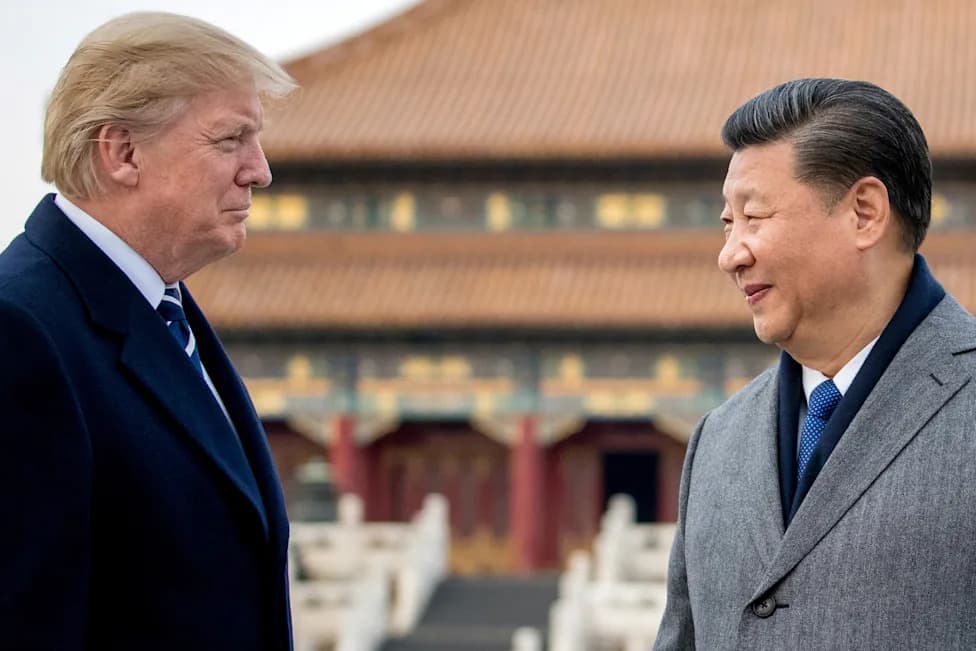
Beijing said it is in communication with Washington about an expected visit by President Trump later this month, despite Mr. Trump suggesting he might delay the summit with Chinese leader Xi Jinping if China does not help reopen the Strait of Hormuz.
Meanwhile, flights at Dubai International Airport gradually resumed after a "drone-related incident" sparked a fire that affected a fuel tank; authorities said the blaze was contained and there were no injuries. Separately, a drone attack in the Fujairah Oil Industries Zone on the UAE's east coast ignited a large fire; Fujairah authorities reported no injuries and said efforts were ongoing to bring the blaze under control. The Fujairah site lies on the Gulf of Oman coast, beyond the Strait of Hormuz.
Outlook
Elevated oil prices, coordinated emergency stock releases and renewed discussion of naval deployments highlight the immediate economic and security fallout. Much will depend on whether shipping through the Strait of Hormuz can be secured and whether further escalation is avoided.
Help us improve.