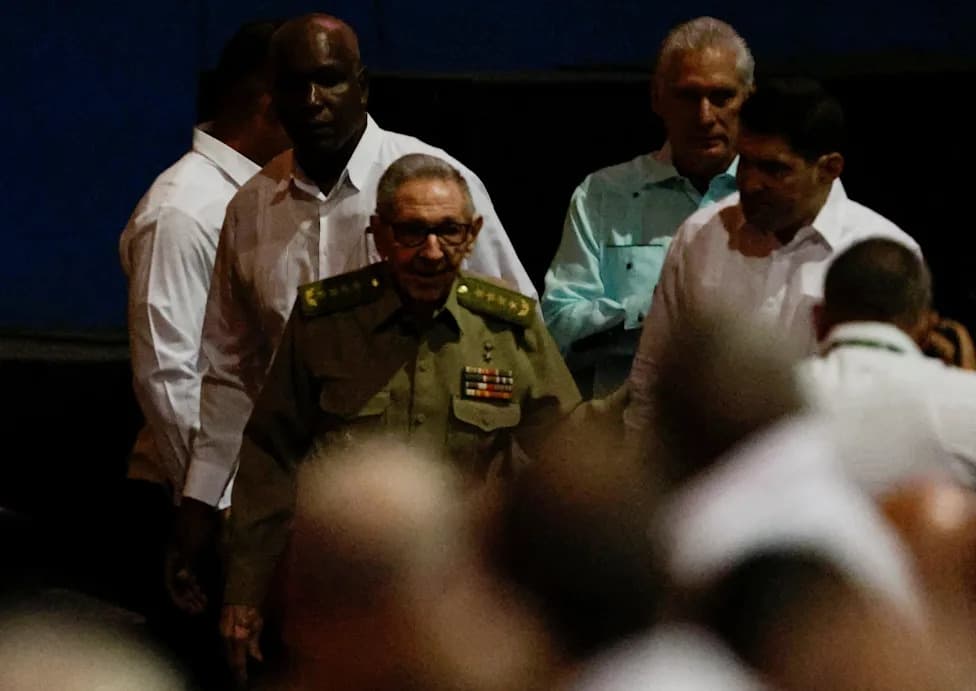
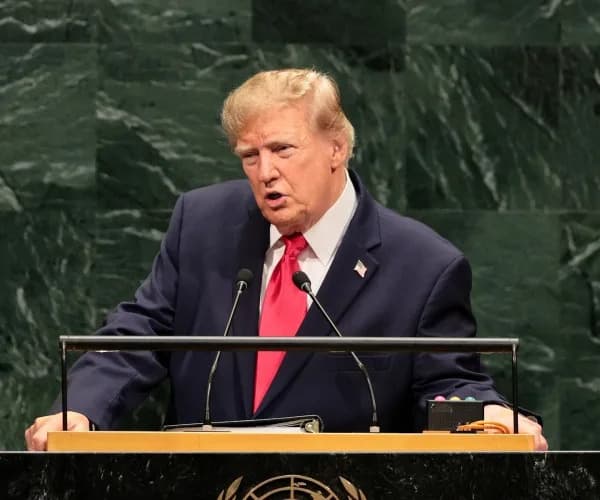
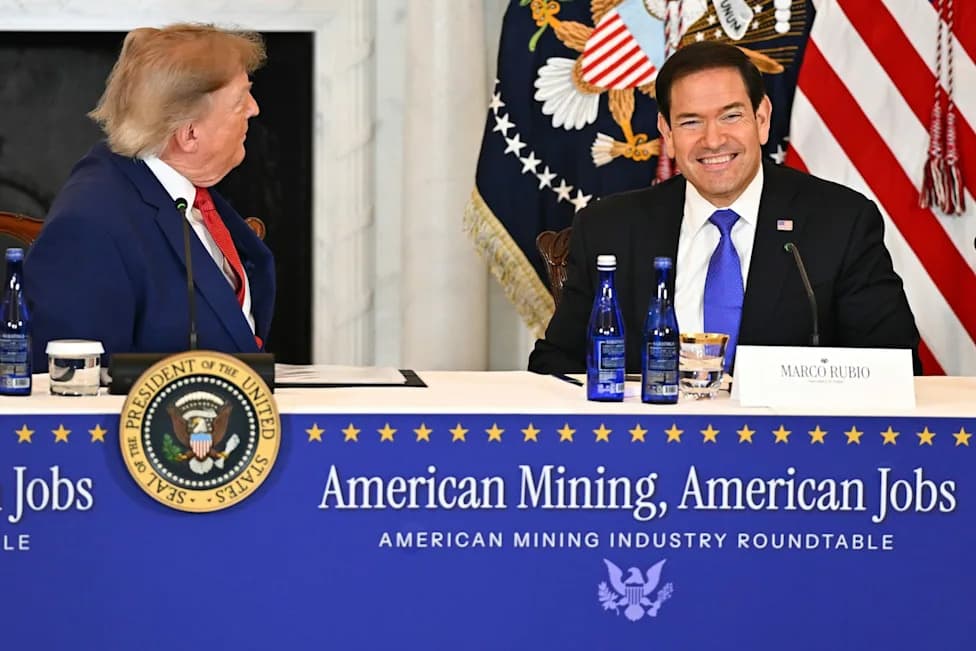
Raúl Guillermo Rodríguez Castro, grandson of former president Raúl Castro, appeared publicly with President Miguel Díaz-Canel at two events, fueling speculation about his political relevance as U.S. pressure on Cuba intensifies. Reports—unverified by major outlets—have claimed he held private contacts with U.S. figures, including Senator Marco Rubio, though Cuban and U.S. authorities have not confirmed this. Analysts highlight his GAESA family ties and security background and say his visibility may signal either enduring Raúl Castro influence or a tentative generational shift behind the scenes.
Raúl Castro’s Grandson ‘The Crab’ Appears Publicly — Why Analysts Say It Matters
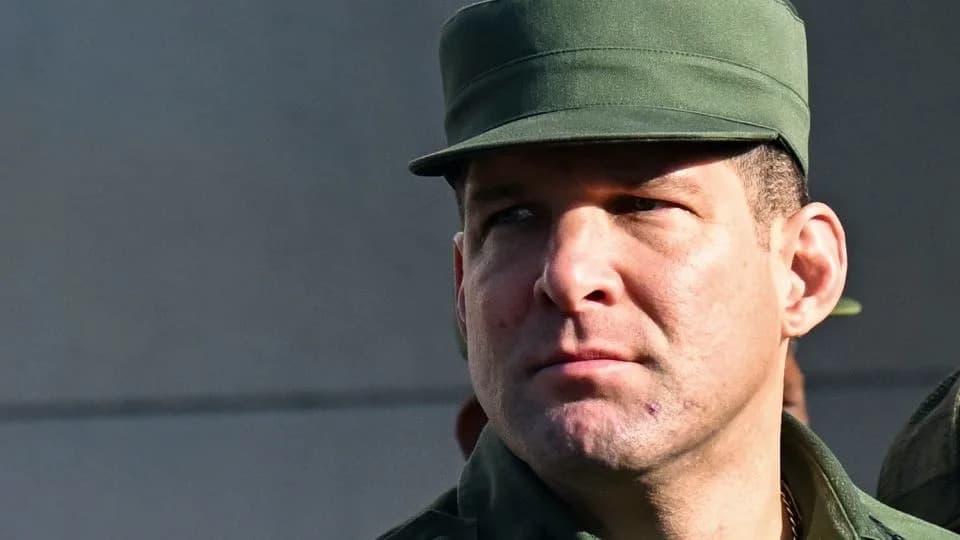
Cuba's Colonel Raúl Guillermo Rodríguez Castro, grandson of Raúl Castro, attends the funeral of the 32 Cuban soldiers killed during the US incursion in Venezuela at Colon cemetery in Havana on January 16. - Yamil Lage/AFP/Getty Images
Raúl Guillermo Rodríguez Castro, the grandson of former Cuban president Raúl Castro, surfaced publicly alongside President Miguel Díaz-Canel at two events on Friday, prompting fresh speculation about his role amid intensifying U.S. pressure on Havana.
In the morning Rodríguez Castro joined a meeting between Díaz-Canel and leaders of the Communist Party of Cuba and the Council of Ministers. Later he was present at a press conference in which the president addressed mounting social and economic challenges and acknowledged discussions about longstanding U.S. pressure on the island.
Allegations of Secret Contacts
Reports have suggested Rodríguez Castro may have held private talks with U.S. figures about Cuba’s future. Axios reported conversations allegedly involved U.S. officials and bypassed formal Cuban channels; some accounts mention Senator Marco Rubio. CNN and other outlets have not independently verified those claims, and neither the U.S. State Department nor Cuban authorities have confirmed them.
Why His Presence Matters
Analysts say Rodríguez Castro’s increased visibility is noteworthy because of his family background and connections. He is the son of Débora Castro Espín and the late General Luis Alberto Rodríguez López-Calleja, who led GAESA, the military-controlled conglomerate that plays an outsized role in Cuba’s economy. After his father’s death in 2022, Rodríguez Castro reportedly took on responsibilities tied to his grandfather’s security and has been photographed guarding Raúl Castro at high-level meetings.
“Raúl Guillermo, ‘el Cangrejo’ (the Crab), became head of Raúl’s personal guard,” said Sebastián Arcos, director of the Cuban Research Institute at Florida International University. “Eventually he became head of what would be the Cuban equivalent of the Secret Service.”
Known in Cuba by the nickname “Raulito,” Rodríguez Castro has no widely reported record of holding formal party office. That gap has led experts to ask whether his role is primarily familial and security-related, or whether he is being positioned as a behind-the-scenes interlocutor — perhaps even as a bridge in any negotiations with external actors.
Context: Economic Strain and Geopolitical Pressure
Cuba’s government faces severe strains from long-running U.S. sanctions, structural economic problems, and recent shocks that have worsened shortages of fuel and food, driven down tourism, and led to widespread power outages and cuts in medical services. Analysts and dissidents warn the island risks a deepening humanitarian situation if economic conditions do not improve.
Some reports have linked shifts in Venezuela’s political and energy arrangements to Cuba’s worsening shortages. Media accounts and analysts describe a complex geopolitical landscape in which U.S. policymakers are exploring multiple tools — including sanctions, diplomatic pressure, and outreach to influential figures in allied countries — to press for political and economic changes in Havana. Many specifics remain unverified and subject to competing narratives from different governments and news organizations.
What Analysts Say
Experts quoted in the reporting stressed two broader points: first, that Raúl Castro continues to exert influence through trusted family members and close associates who frequently appear at high-level meetings despite holding no formal posts; and second, that Rodríguez Castro’s public appearances could be signaling either continuity (Raúl’s ongoing influence) or an emerging generational transition in which trusted relatives act as intermediaries.
Diana Correa, director of the international relations program at Tecnológico de Monterrey, said Rodríguez Castro’s public role “points to both the influence Raúl Castro continues to wield in Cuban politics and the trust the former president places in his grandson.” She added that it is difficult to know how long such behind-the-scenes activity has been underway.
Outlook
At present, Rodríguez Castro’s precise mandate remains unclear. Cuban officials have not provided a detailed explanation of his responsibilities, and journalists have noted there are conflicting accounts about whether he has engaged directly with U.S. interlocutors. Observers will be watching whether his visibility increases, whether he takes on formal roles, and whether any credible, verifiable negotiations emerge between Cuban figures and U.S. officials.
Reporting Note: Multiple media outlets have published claims about secret talks and related operations; many of those claims are unverified and disputed. This article emphasizes verified facts while identifying alleged items as such.
Help us improve.