
Kuwait, a small Gulf state about 50 miles from Iran, is confronting renewed fears as Iranian missile and drone strikes damage airports, homes and oil facilities. The attacks have resurrected memories of Iraq’s 1990 invasion and subsequent Operation Desert Storm, while U.S. bases in the region have also been targeted. Kuwait’s air defenses reportedly intercept most incoming missiles, but authorities have banned large Eid al-Fitr gatherings amid security concerns. Residents worry the confrontation could last months, and analysts say Iran may be aiming to pressure Western governments by disrupting energy markets.
Tiny Kuwait, 50 Miles From Iran, Reawakens to Regional War Fears
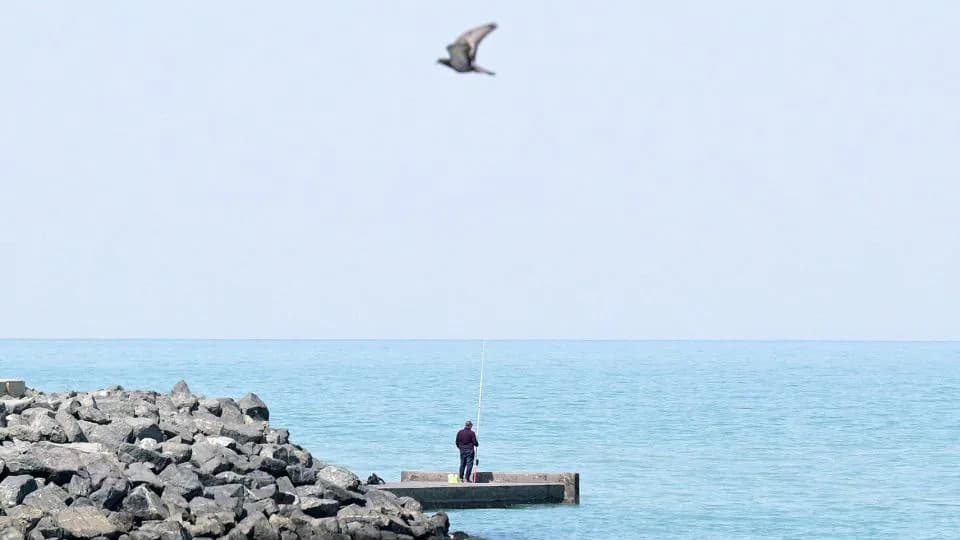
A man fishes in the Gulf waters off Kuwait City on March 10. - Yasser Al-Zayyat/AFP/Getty Images
For Kuwait — a small oil-rich emirate barely 50 miles across the water from Iran — recent missile and drone strikes have revived traumatic memories of the 1990 Iraqi invasion and raised fresh fears about the vulnerability of its ports, refineries and cities.
From Marinas to Memories
In Kuwait City, Khalid Al-Ozaina, a lively 70-year-old fishing-club president, shades his eyes and remembers August 2, 1990: "That was the last time we were banned from fishing," he says. Hundreds of pleasure boats now sit high and dry on the dock as owners hesitate to take them back out to sea. "Are things as bad as they were back then? No, they are not," he adds, yet he concedes the situation is "dangerous," given Iran's missile and drone campaign.
The Shadow of 1990–91
Saddam Hussein's invasion of Kuwait left deep scars: seven months of occupation, brutal repression and thousands of dead, followed by a multinational response in Operation Desert Storm led by U.S. forces under President George H.W. Bush. Retreating Iraqi troops set fire to oil wells, producing thick black smoke and dark, sticky rain; legendary firefighter Paul "Red" Adair was later brought in to cap the infernos.
New Threats, Old Fears
Today, Kuwait's recovery and gleaming skyline sit alongside a new reality: Iranian strikes have hit regional airports, apartment blocks and oil terminals. U.S. bases in the Gulf — established after the first Gulf War — have also been targeted in the recent campaign. Reports indicate the attacks have killed six U.S. service members, four Kuwaiti security personnel and an 11-year-old girl struck by shrapnel from a drone, with many more civilians injured.
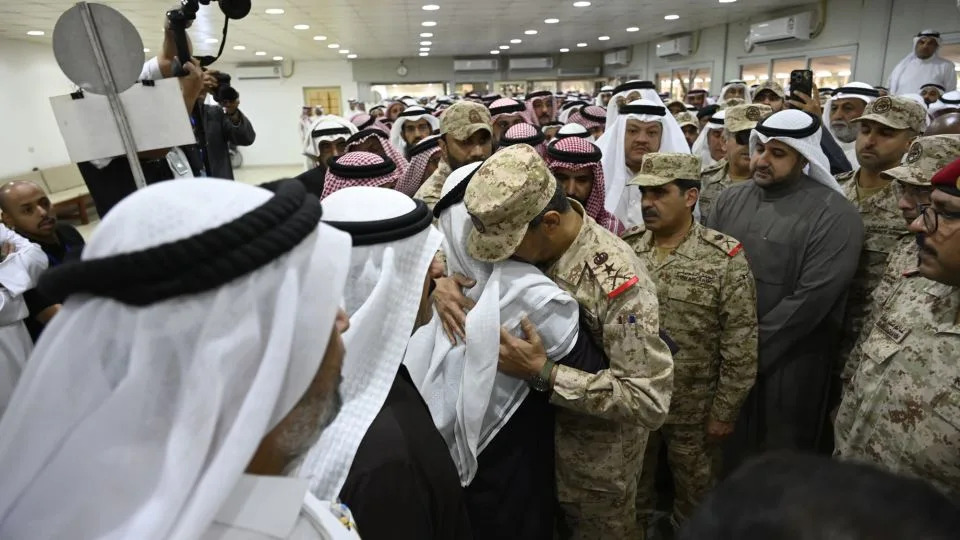
Mourners take part in a funeral ceremony for three Kuwaiti soldiers in the Sulaibikhat area of Kuwait City on March 3. - Jaber Abdulkhaleq/Anadolu/Getty Images
"Now it's only missiles and the Kuwait air defense intercepts 98% of them," says Khaled Al-Rashid, a 66-year-old retired air-traffic controller. "They can fire more missiles but that won't destabilize us."
Geography and Strategy
Kuwait's proximity to Iran and to strategic maritime chokepoints — the Strait of Hormuz (roughly 500 miles southeast) and Iran's Kharg Island (about 130 miles away) — leaves its shipping lanes and oil infrastructure exposed. Analysts say Tehran's strikes are intended to raise energy prices and pressure Western governments and markets, using the region's economic leverage to influence foreign policy.
Life Under Precaution
Despite the threat, much of Kuwaiti daily life continues: families window-shop for Eid gifts and gather in outdoor cafés for shisha and tea. Still, authorities have taken precautions — banning concerts and wedding celebrations during Eid al-Fitr over security concerns — and many residents worry the confrontation could drag on for months. Some locals estimate a prolonged crisis of "six, even seven months" while others urge caution and de-escalation to avoid further harm.
Outlook
For now, Kuwait's air defenses and public resilience provide some reassurance, but the crisis underscores how quickly regional tensions can revive long-buried fears. With oil infrastructure and maritime traffic at risk, the economic and human stakes remain high as neighboring states, international partners and local populations watch closely.
Reported details on casualties and military actions are based on official and media reports circulating at the time of publication.
Help us improve.





















