The White House is considering a temporary waiver of the Jones Act — the 1920 law requiring U.S.-built, -owned and -flagged vessels for domestic shipping — to ease energy and shipping bottlenecks tied to the Iran conflict. Officials say a waiver could speed deliveries of fuel and goods to U.S. ports, but analysts say the national price impact would likely be small and could disadvantage U.S. shipbuilders and crews. Policymakers are also releasing strategic oil reserves and coordinating international stock releases to blunt price spikes.
Why the White House Is Considering a Temporary Jones Act Waiver — What It Would Mean
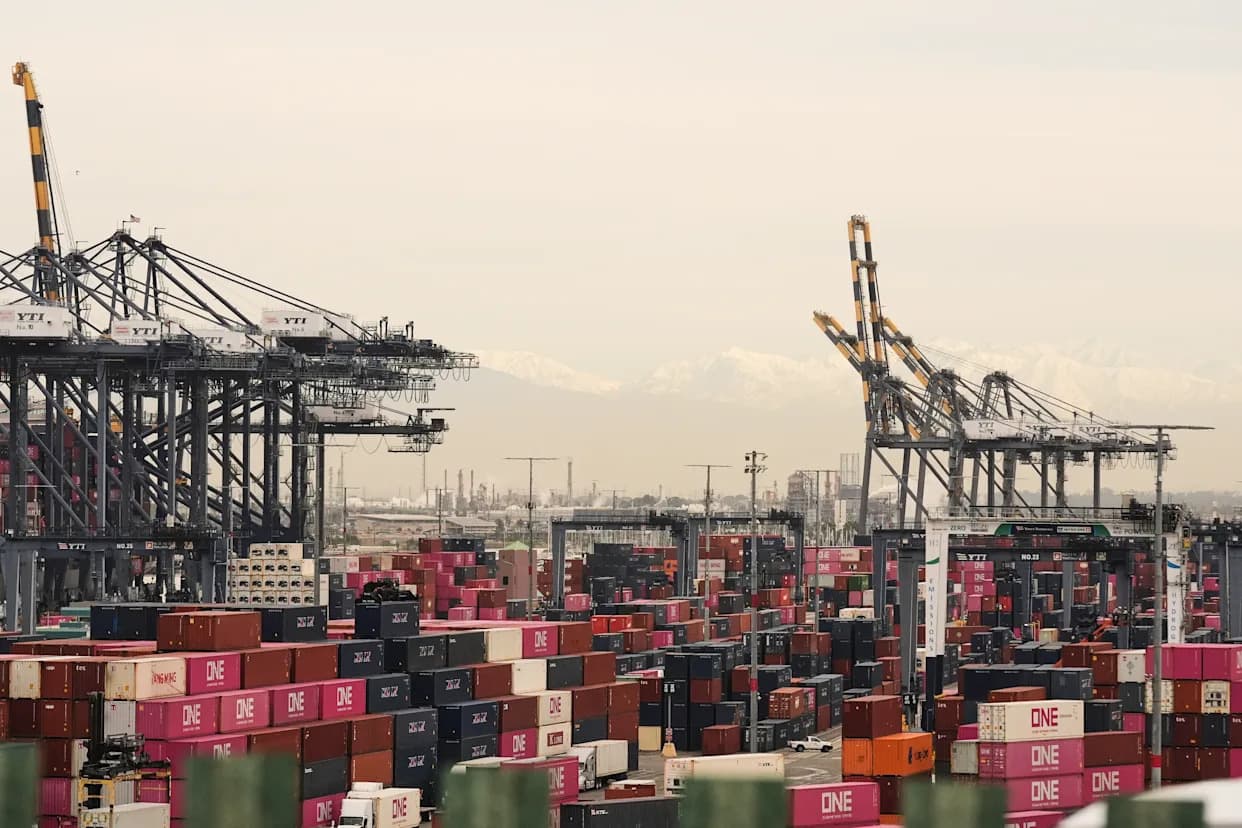
FILE - Containers are stacked at the Port of Los Angeles Friday, Feb. 20, 2026, in Los Angeles. (AP Photo/Damian Dovarganes,File)(ASSOCIATED PRESS)
The White House is weighing a temporary waiver of the Jones Act — the century-old Merchant Marine Act of 1920 — as officials look for ways to ease energy and shipping disruptions tied to the conflict involving Iran. Administration officials say a short-term exemption could help move fuel and other essential goods more quickly to U.S. ports, but experts warn the benefits would likely be modest and could carry political and economic trade-offs.
What the Jones Act Requires
Officially enacted in 1920, the Jones Act requires that vessels transporting cargo or passengers between U.S. ports be built in the United States, owned by U.S. entities, flagged under the U.S. registry and crewed by Americans. The law was passed to rebuild the U.S. merchant fleet after World War I and to ensure a domestic maritime capability in times of war or national emergency.
Waiver Authority and Current Proposal
The statute includes a waiver provision for use "in the interest of national defense," which the U.S. Maritime Administration says can be authorized by the Department of Homeland Security or the Department of Defense. The White House has confirmed it is examining a temporary waiver to help ensure vital energy and agricultural shipments reach U.S. ports amid supply disruptions.
Why Officials Are Considering a Waiver Now
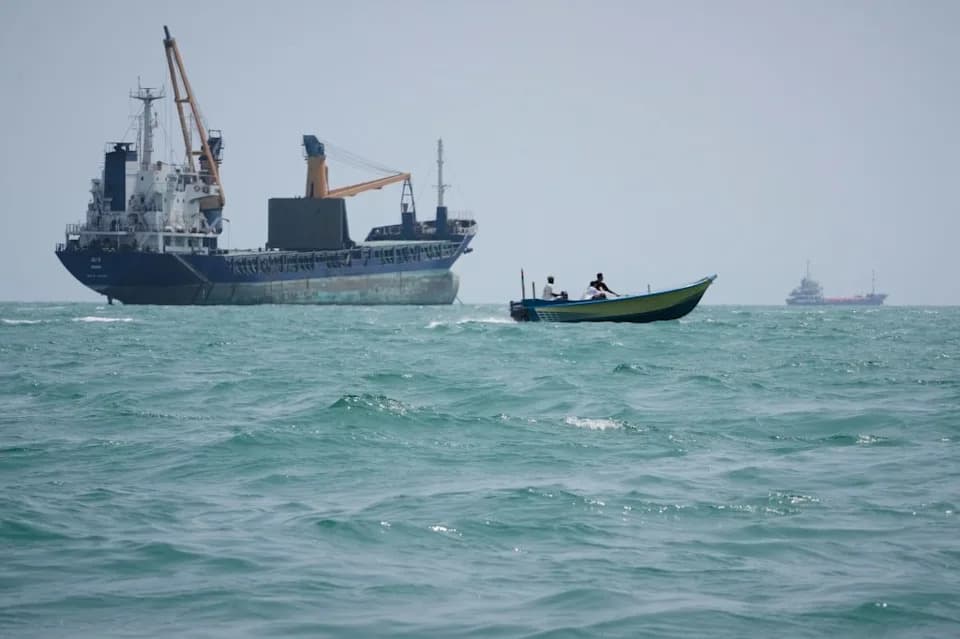
Fighting and security threats in the Strait of Hormuz and other tensions tied to the Iran conflict have disrupted tanker routes and prompted some producers to cut output. Those disruptions, together with attacks and delays affecting commercial shipping, have contributed to a sharp rise in crude prices and higher pump prices for drivers.
Potential Effects and Limits
Opening domestic routes to foreign-flagged vessels could expand transportation options and provide some regional relief. The Center for American Progress estimates an East Coast gasoline-price reduction of roughly three cents per gallon from a temporary waiver, while warning it might raise Gulf Coast costs and disadvantage U.S. shipbuilders and maritime workers.
Experts emphasize that a waiver is not a cure-all: refineries buy crude in advance, different refineries process different grades of oil (the U.S. produces mostly light, sweet crude but imports heavier sour crude for some coasts), and it takes time for any additional supply to reach consumers.
Other Steps To Ease Supply Strains
Policymakers have also taken other actions. The International Energy Agency announced a release of 400 million barrels from member stockpiles, the largest emergency withdrawal in its history, and the United States will release 172 million barrels from its Strategic Petroleum Reserve over 120 days as part of that effort. Separately, the Treasury Department authorized a short-term license related to some Russian oil transactions to help expand available supply.
Bottom Line
A temporary Jones Act waiver could provide targeted, short-term transportation relief in strained regional markets, but it is unlikely to deliver broad, immediate reductions in national pump prices. Lawmakers, industry groups, labor and national security advocates are likely to debate economic, strategic and political implications if a waiver is pursued.
AP writers Paul Wiseman and Collin Binkley contributed reporting to the original story.
Help us improve.