Quick Take: Lebanon’s offer to hold direct talks with Israel has been rebuffed by Israeli and U.S. officials as too late and lacking credibility. President Joseph Aoun says he is assembling a negotiating team and even raised the prospect of normalization, but Hezbollah’s continued arsenal and domestic support undermine Beirut’s ability to enforce any agreement. Israel insists on concrete disarmament steps before meaningful talks can begin, and Washington says its window to act has largely closed.
Lebanon’s Offer Of Direct Talks With Israel Rejected As ‘Too Little, Too Late,’ Sources Say
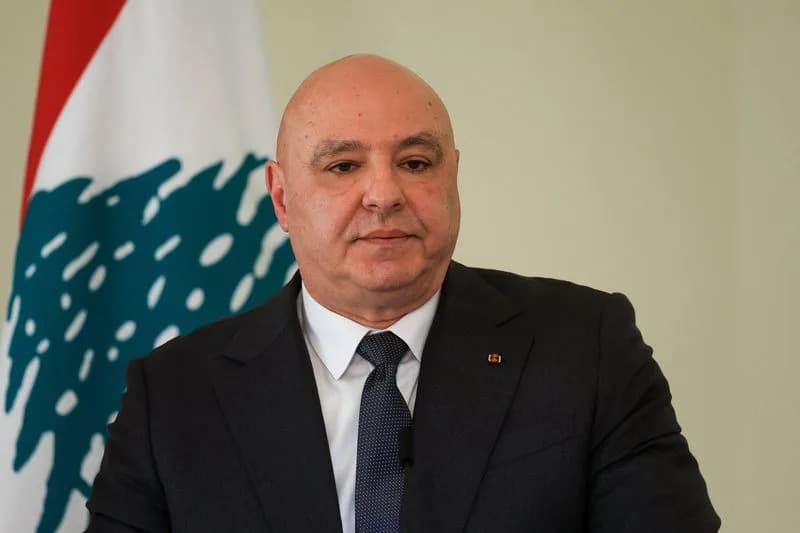
FILE PHOTO: Lebanese President Joseph Aoun attends a press conference with German President Frank-Walter Steinmeier (not pictured), at the presidential palace in Baabda, Lebanon, February 16, 2026. REUTERS/Mohamed Azakir/ File Photo
BEIRUT, March 13 (Reuters) - Lebanon’s proposal to begin direct negotiations with Israel has been dismissed by Israeli and U.S. officials who say the initiative comes too late and lacks credibility because Beirut cannot guarantee restraint from Hezbollah.
President Aoun’s Overture
Lebanese President Joseph Aoun told U.N. Secretary-General Antonio Guterres this week that the state was prepared to open direct talks and has begun appointing a negotiating delegation. In private discussions, Aoun reportedly even signaled a willingness to explore normalization.
“Everything is on the table,” a source close to Aoun told Reuters when asked about normalization.
Credibility Gap
Sources told Reuters that Israeli and U.S. officials showed little interest in the offer, saying Lebanon has failed to rein in Hezbollah and therefore has little tangible leverage to bring to a negotiating table. Israeli leaders say they will not negotiate while rockets are being launched from Lebanese territory.
U.S. And Israeli Responses
Israel’s Foreign Minister Gideon Saar said dialogue with Beirut cannot stop the cross-border fire. Israel’s U.N. ambassador Danny Danon told the Security Council that Israel could not negotiate “while rockets are flying into our northern border,” and demanded concrete disarmament actions.
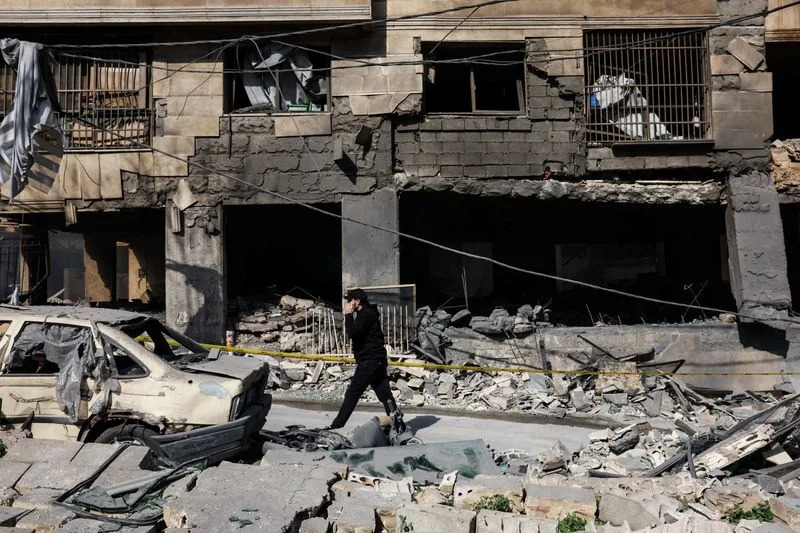
A man walks past a damaged building in the aftermath of yesterday's Israeli strikes on Bachoura neighbourhood, following an escalation between Hezbollah and Israel amid the U.S.-Israeli conflict with Iran, Lebanon, March 13, 2026. REUTERS/Mohamed Azakir
A U.S. State Department spokesperson declined to comment on private diplomatic exchanges but said Washington communicates regularly with Lebanese counterparts. According to a Lebanese official, U.S. interlocutors told Beirut that the window to confront Hezbollah effectively — in 2025 — had passed, and Washington had limited bandwidth given its focus on the wider war with Iran.
Domestic Constraints In Lebanon
The Lebanese government last week banned Hezbollah from military activities, a move reflecting unprecedented domestic opposition to the group’s armed status. But Hezbollah remains well-armed and retains strong support within much of Lebanon’s Shi’ite community, limiting the state’s capacity to enforce the ban without risking internal strife.
Lebanese security sources said authorities detained about 50 people for carrying unlicensed arms in southern Lebanon and near Beirut after the new war began; several were reportedly released after paying minor fines.
Outlook
Analysts and officials say Lebanon’s fragile political balance and Hezbollah’s independent military capacity make immediate progress toward direct talks unlikely. For Israel and its partners, disarmament or demonstrable steps to prevent attacks from Lebanese soil appear to be prerequisites for substantive negotiations.
(Reporting by Maya Gebeily; Additional reporting by Tom Perry in Beirut, Emily Rose in Jerusalem and Humeyra Pamuk in Washington; Editing by Alexandra Hudson)
Help us improve.