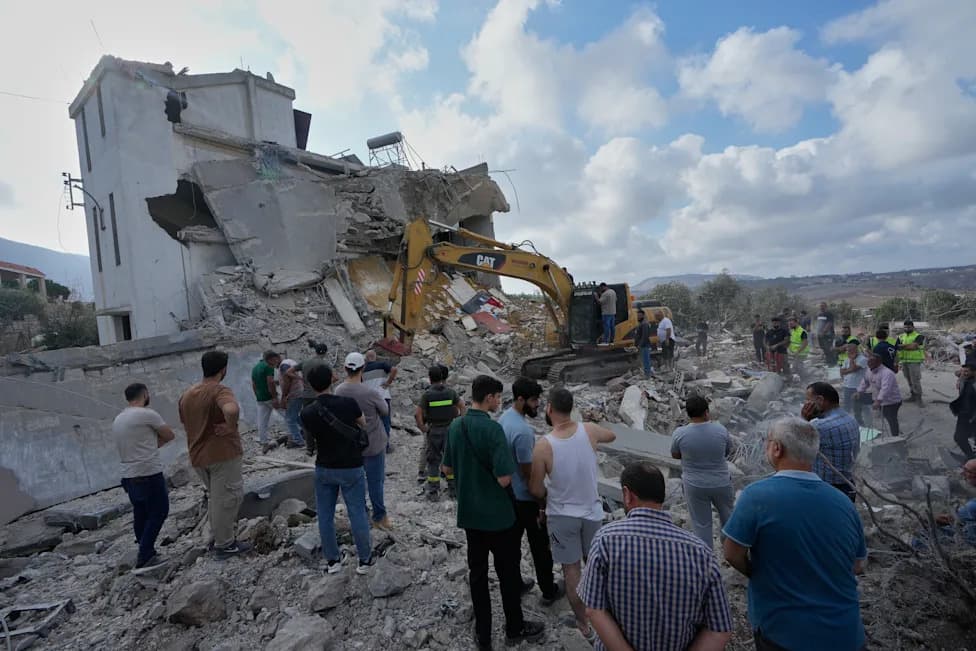
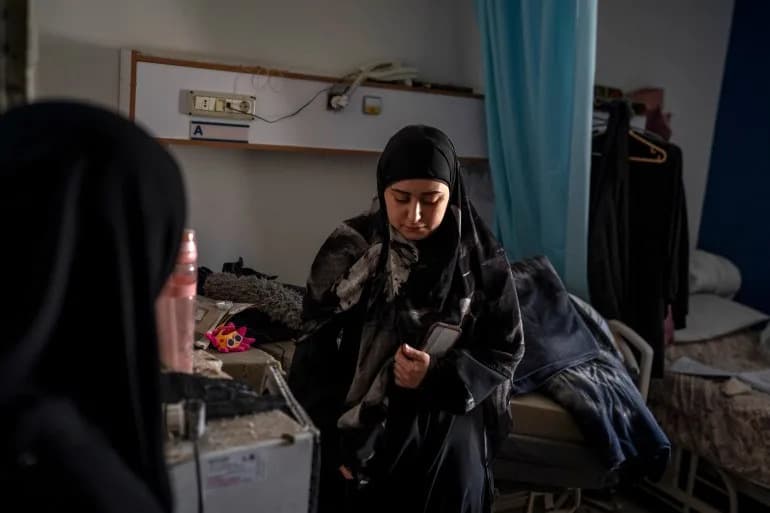
Israeli strikes across Beirut and southern and eastern Lebanon killed more than 25 people on Friday amid an escalating regional confrontation. Lebanese authorities say 687 people have died in under two weeks, including 98 children, and over 800,000 have been displaced. United Nations Secretary-General António Guterres visited Beirut on a solidarity trip as Qatar and UN rights experts condemned the attacks. Rocket fire into northern Israel also injured dozens, intensifying regional tensions.
Dozens Killed as Israeli Strikes Hit Beirut, Southern and Eastern Lebanon; UN Chief Visits Amid Rising Toll
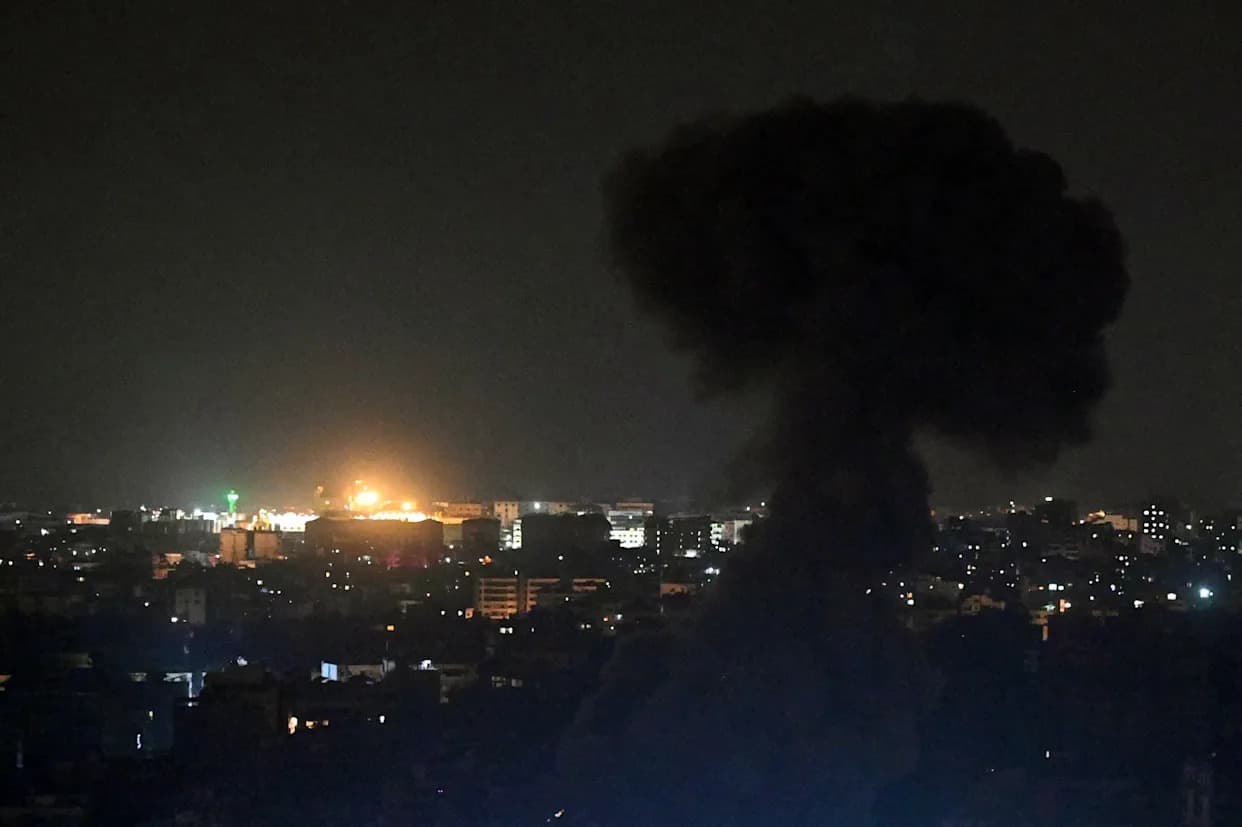
Smoke rises from the site of an Israeli air attack on Beirut's southern suburbs, Lebanon, on March 13 [AFP]
Israel’s military campaign intensified on Friday, killing more than 25 people across Beirut and in southern and eastern Lebanon as the wider regional confrontation escalates. Lebanese authorities say a total of 687 people have been killed in Israeli strikes in under two weeks, including 98 children, and that more than 800,000 people have been displaced.
Early on Friday, an Israeli strike hit a car in the Jnah neighbourhood of southwestern Beirut, killing one person, the Lebanese Ministry of Public Health reported. A separate strike set an apartment ablaze in the Nabaa neighbourhood—home to a sizable Armenian community—with no immediate casualty figures reported. Officials noted Nabaa had not been targeted earlier in this phase of the fighting.
Later, Lebanon’s National News Agency reported an Israeli drone struck a residential building in Bourj Hammoud, northeast of Beirut. The Israeli military said it had targeted a Hezbollah operative in the capital and claimed some strikes were aimed at disrupting alleged Hezbollah cash reserves.
Across southern and eastern Lebanon, local health authorities reported multiple deadly strikes: nine people, including five children, were killed in Arki (near Sidon); eight were killed and nine wounded in Al-Fawwar (Sidon); three were killed in Ain Ebel; three in Barish (Tyre district); and two civilians killed with three critically wounded in Bar Elias in the Bekaa Valley, where the strike reportedly hit the family of an Islamic Group official.
Rescue teams pulled two bodies from the rubble of a building destroyed in an air attack on Qalila and continued searching for missing people. Civil defense teams also reported an ambulance struck in Tayr Felsay. The Israeli military said it had struck the Zrarieh Bridge over the Litani River, calling it a strategic crossing used by Hezbollah.
Regional reactions were swift. United Nations Secretary-General António Guterres arrived in Beirut in a show of solidarity. “They did not choose this war. They were dragged into it,” he wrote on X, pledging UN efforts toward a peaceful future for Lebanon and the region. Qatar condemned the strikes on southern Lebanon as a “blatant violation of international humanitarian law,” while a group of 12 independent UN human rights experts denounced the “ongoing military assaults on Iran and Lebanon by the United States and Israel” as violations of international law.
Al Jazeera correspondents in the region reported that Israeli officials have issued stern warnings to Lebanon’s government to confront Hezbollah. Israeli officials, including Defence Minister Israel Katz and Prime Minister Benjamin Netanyahu, have threatened greater action if Lebanon’s authorities do not curb Hezbollah activity. Lebanese Prime Minister Nawaf Salam says his government supports restoring state sovereignty and has outlawed Hezbollah’s military wing, but officials acknowledge enforcement is difficult during active hostilities. Army chief Rodolphe Haykal warned that confronting Hezbollah militarily could produce sectarian splits, underscoring Lebanon’s political and military dilemma.
Across the border, incoming rocket fire injured dozens in northern Israel. Israeli media reported about 80 wounded in the Galilee area after a rocket fell near Kiryat Tivon; other reports said more than 30 people were injured in Zarzir. Al Jazeera correspondents said some launches—sometimes linked to Iran—have strained aerial defense systems and raised questions among Palestinians in northern Israel about unequal protection from interceptions.
The fighting has produced mounting civilian suffering, mass displacement and growing diplomatic condemnation, while military and political leaders on both sides signal that the conflict could widen if de-escalation efforts fail.
Help us improve.