Trump’s declarations of victory clash with difficult realities on the ground. Targeted strikes have not produced a clear political collapse in Iran, and leadership developments remain unclear or unverified. The conflict has become an endurance contest: prolonged air campaigns risk depleting US munitions, raising domestic political costs, and causing more civilian harm, while Iran can impose economic and asymmetric pressures. Quiet diplomacy or mutual exhaustion may end the violence short-term, but Tehran could rebuild harder and more resilient over time.
Why Trump May Be Unable To End The War With Iran — And What Comes Next
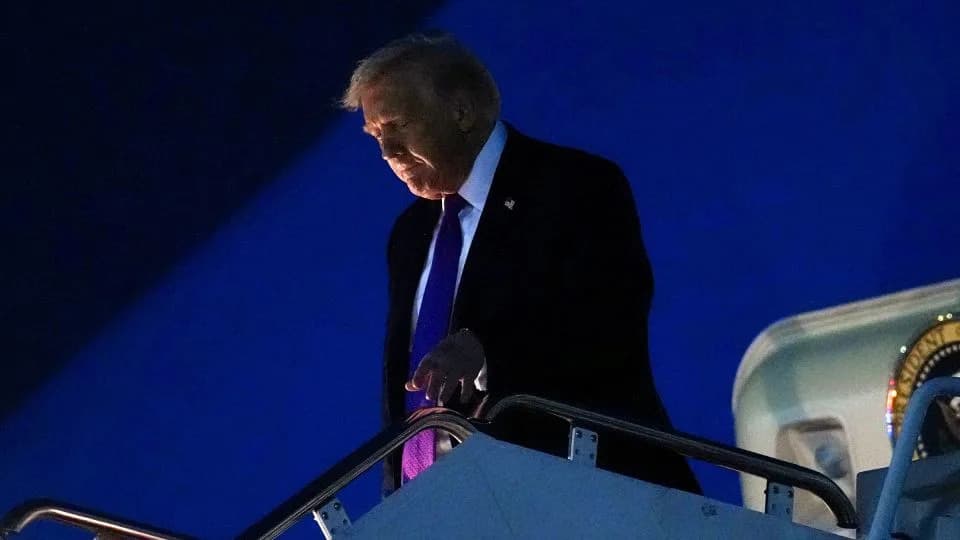
President Donald Trump departs Air Force One on March 11. - Andrew Harnik/Getty Images
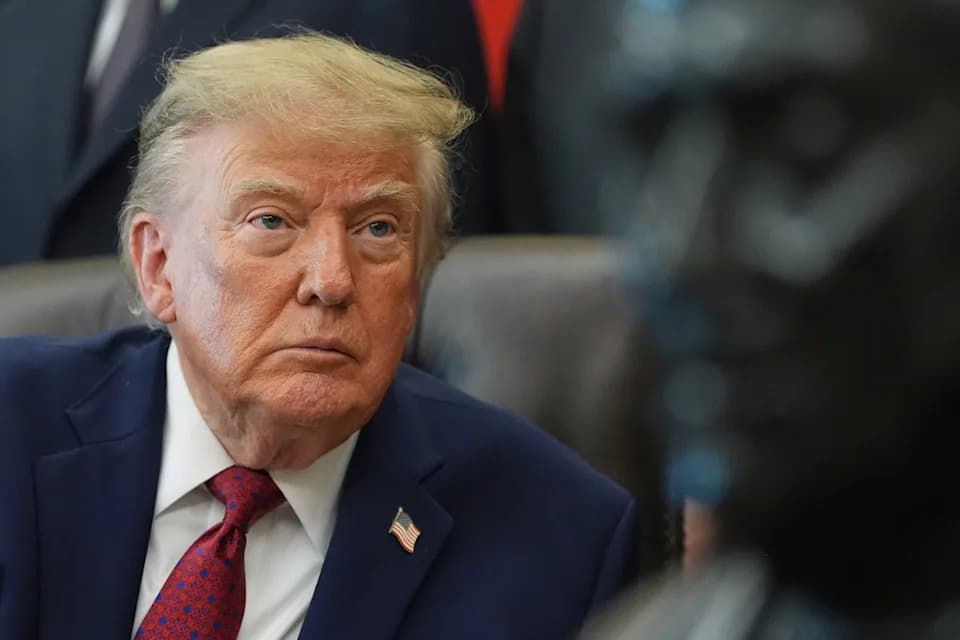
President Donald Trump’s repeated declarations that the conflict with Iran is both “won” and “not finished yet,” and his language demanding Iran’s “unconditional surrender,” reflect a confrontational media posture. But rhetoric collides with operational and political realities: short, surgical strikes rarely produce durable political outcomes, and the campaign has already shown signs of becoming a test of endurance.
Why a “Win” Isn’t Like a Game
Victory in war does not arrive on a scoreboard at a prearranged time. Initial military success — kinetic strikes, targeted raids and precision videos meant for public consumption — can degrade an opponent’s capabilities, but it rarely compels a nation to behave as if it has been decisively defeated. Historical examples from Afghanistan, Iraq and Ukraine show that military force can produce long, costly struggles rather than neat political results.
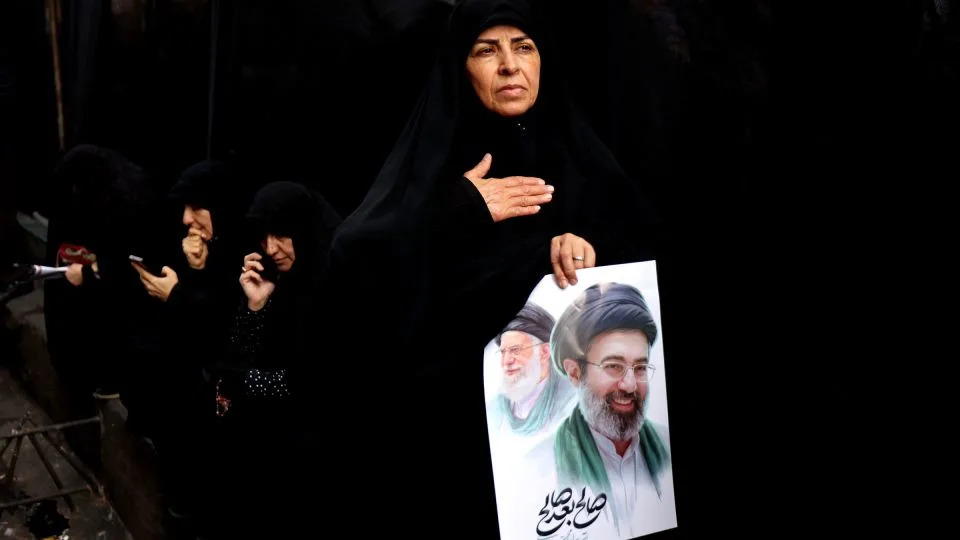
An Iranian woman holds a poster of Iran's slain supreme leader Ali Khamenei in Tehran on March 11. - Atta Kenare/AFP/Getty Images
Leadership, Chaos, And The Limits Of Decapitation
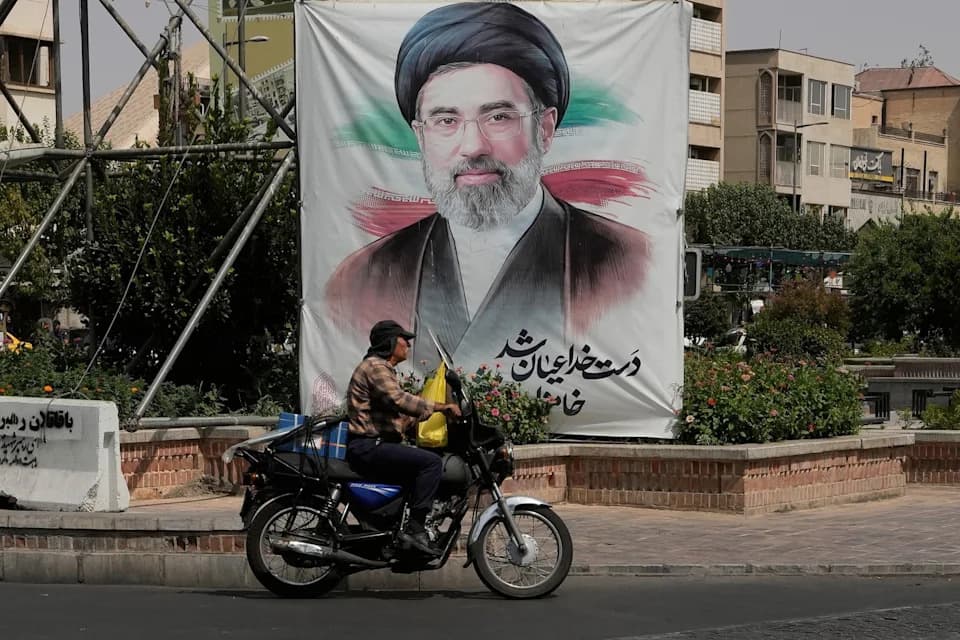
The campaign has included targeted killings of senior commanders and other high-value strikes, which can harden an adversary’s resolve. Reports about changes in Iran’s top leadership are inconsistent and in many cases unverified; there is no clear, internationally recognized succession that would allow an outside power to simply appoint a compliant alternative. That ambiguity favors hardline elements and complicates any strategy that expected a quick political collapse.
The Endurance Test
Iran’s security forces, particularly the Islamic Revolutionary Guard Corps (IRGC), have prepared for irregular, asymmetric conflict and are motivated to continue. Within days the confrontation has assumed the character of an endurance contest: the US can sustain bombardment for a time, but prolonged air campaigns risk depleting munitions, inflicting greater civilian harm, and increasing domestic political costs ahead of elections.
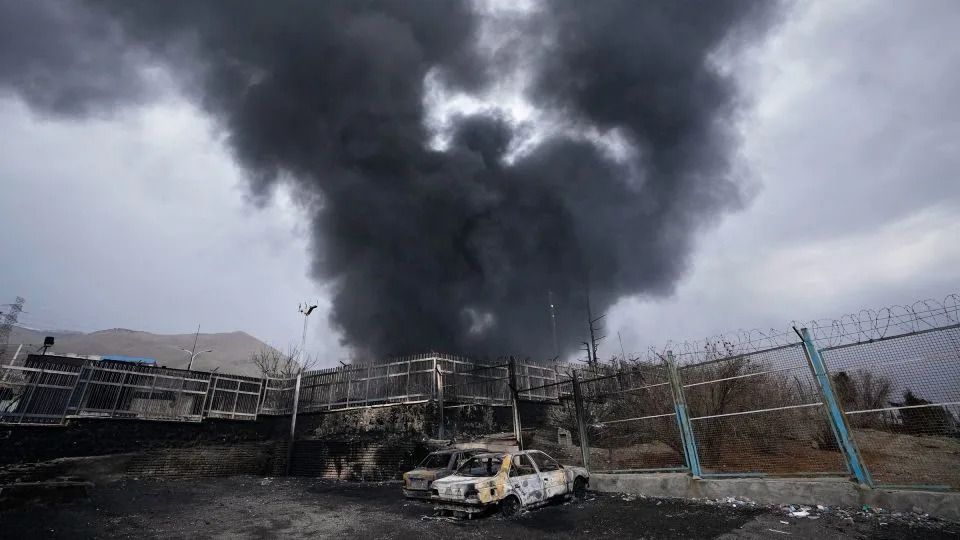
A thick plume of smoke rises from an oil storage facility hit by a US-Israeli strike in Tehran on March 8. - Vahid Salemi/AP
The Strategic Balance
Even as Iran loses some launchers, drone facilities and personnel, enough infrastructure often remains to continue harassment and asymmetric attacks. Disruptions in the Strait of Hormuz, for example, can raise oil prices and amplify global economic pressure on Washington. For Tehran, intermittent but persistent attacks can be a strategic win — they impose costs on opponents without necessarily escalating to full-scale war.
Political Signaling And The Cost Of Wanting Out
Repeated public messaging that the US wants to stop fighting can signal weakness and provide Iran with an incentive to hold out. If Washington appears eager to disengage, Tehran may be prepared to outlast it, knowing attrition and international economic effects work in its favor.
Likely Trajectories
At this early stage, several outcomes are plausible: quiet diplomacy and mutual exhaustion could cause hostilities to taper, allowing both sides to claim some form of victory; alternately, a period of rebuilding could leave Iran more hardened and less conciliatory. External powers such as Russia and China could provide political and material support that helps Tehran recover to a level capable of continuing asymmetric pressure.
Bottom line: Tactical strikes can inflict damage, but they do not guarantee political resolution. Without a viable political strategy to complement military action, the conflict risks becoming a prolonged contest of will — costly, unpredictable, and prone to unintended consequences.
Help us improve.