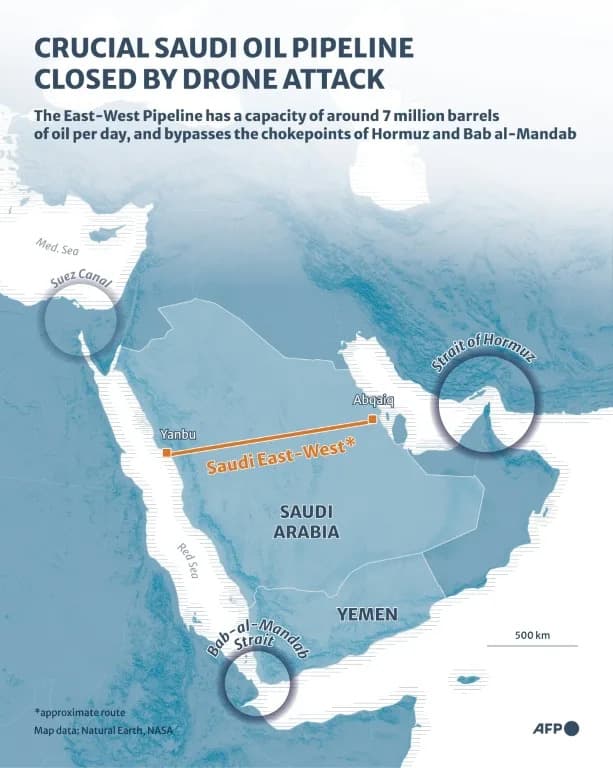
The Middle East conflict has disrupted fertiliser production and shipping from Gulf states, blocking about one third of seaborne fertiliser exports and driving global prices higher. The Gulf supplies large shares of sulphur, urea and ammonia used worldwide, making Asia, Brazil, India and parts of Europe vulnerable to knock-on effects such as rationing and plant shutdowns. Experts warn that a sustained loss of nitrogen, phosphorus and potassium inputs could reduce global crop output by roughly one third, and policymakers are weighing measures to secure supplies ahead of the southern hemisphere sowing season.
Middle East War Halts Gulf Fertiliser Supplies, Threatening Global Food Security
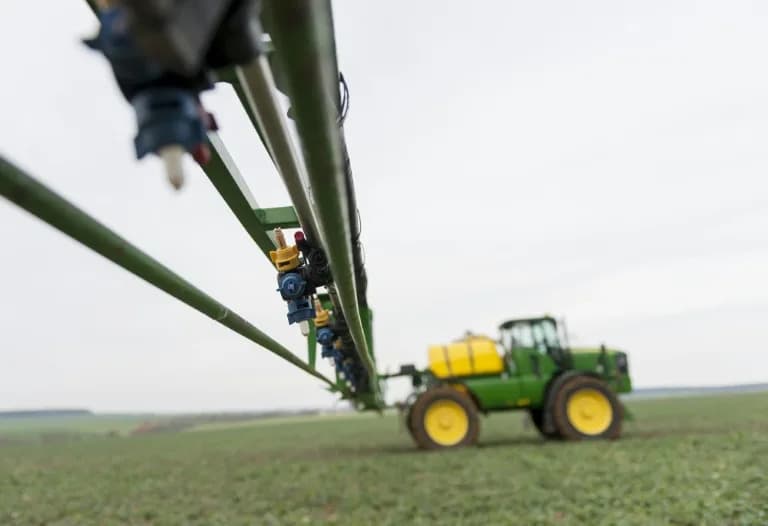
Artificial fertilizers provide key nutrients for food crops, with yields at risk if farmers cannot buy them (Jean Christophe VERHAEGEN)(Jean Christophe VERHAEGEN/AFP/AFP)
The war in the Middle East, combined with halted production across several Gulf states and rising natural gas prices, is disrupting global fertiliser supplies and posing fresh risks to food security worldwide. About one third of fertiliser moved by sea originates in the Gulf and has been unable to reach international markets since Iran effectively closed the Strait of Hormuz, sending prices sharply higher and prompting warnings from the United Nations.
The Gulf Is A Key Producer
Natural gas is the principal feedstock for synthetic fertilisers. The Gulf’s abundant gas reserves have made the region a major producer: it accounts for nearly half of global sulphur sales, roughly one third of the world’s urea output, and about a quarter of internationally traded ammonia, according to industry sources.
Large food producers such as the United States and Australia obtain significant shares of their urea and phosphate from Gulf exporters. Brazil imports most of its urea from Qatar and Iran, while India relies heavily on Saudi phosphate. Kpler data for 2024 shows Asia sources about 64% of its ammonia and more than 50% of its sulphur and phosphates from the Gulf.
Production Disruptions And Shipping Blockages
Since the fighting began — which has included Iranian retaliatory strikes on neighbouring Gulf states after US and Israeli operations — several fertiliser plants, notably in Qatar, have been forced to suspend production. The Strait of Hormuz remains largely unnavigable for commercial traffic: Kpler reported one Chinese ship carrying sulphur managed to depart on March 7, while about 20 other vessels were still waiting midweek.
Global Repercussions
Even regions that import relatively little directly from the Gulf can be affected indirectly. Morocco, a major supplier of phosphorus-based fertilisers to Europe, depends on Gulf sulphur for its manufacturing. The EU also sources about 26% of its urea from Egypt, which faces a stoppage of Israeli pipeline gas — a factor cited by Argus Media consultant Arthur Portier.
"Egyptian urea has gone from $500 per tonne at the start of the war to more than $650. There is a direct impact on the price of fertiliser for European farmers," Portier said.
Countries that use Middle Eastern gas to produce fertilisers have begun rationing inputs: India has implemented restrictions to protect supplies, and Bangladesh temporarily shut five of its six fertiliser plants. The United Nations has warned of particular risks to the world’s poorest countries if supplies remain constrained.
Crop Production At Risk
Synthetic fertilisers deliver nitrogen, phosphorus and potassium — the three nutrients essential for crop growth. INREA modelling suggests that without these inputs, global crop production could fall by about one third. Nitrogen fertilisers such as urea and ammonium nitrate require natural gas for synthesis and significant energy inputs; sulphur is largely a co-product of oil and gas operations.
Phosphate production begins with phosphate rock; Saudi Arabia supplies roughly 20% of the global total but is currently unable to export it, further tightening the market for phosphorus-based fertilisers.
Uncertain Outlook And Policy Responses
Key uncertainties include how long hostilities will last and the extent of damage to fertiliser manufacturing and port infrastructure. Repairs and reconstruction could significantly delay the return to normal output even after the fighting ends. While immediate fertilizer needs may be broadly covered in some regions, concerns are mounting about the southern hemisphere sowing season that starts in June.
Analysts say the crisis could prompt policy shifts. After the price surge following Russia’s invasion of Ukraine, European farmers already reduced fertiliser use and diversified suppliers; the European Commission is preparing a fertiliser action plan this year, and officials are likely to consider longer-term strategies to bolster supply resilience.
What To Watch: developments in the Strait of Hormuz, natural gas and fertiliser prices, port and plant damage assessments, and policy responses from major importing regions ahead of the southern hemisphere planting season.
Help us improve.