Texas has launched the Texas Education Freedom Accounts, a school-choice program that logged about 8,000 signups in its first hour and roughly 62,000 within three days, with officials projecting 100,000 enrollments by March 17. The program provides $10,000 per year to participating families — up to $30,000 for students with disabilities — for private, charter, homeschool or virtual-learning options. Supporters call the rollout a win for educational freedom and point to continued investments in public education; teachers' unions warn the plan diverts funds and may enable discriminatory practices at some private providers.
Texas Sees Record Early Signups for Education Freedom Accounts Amid Union Pushback

The Lone Star State’s school choice program, called the Texas Education Freedom Accounts, saw record-setting registrations in its first days.(Getty Images)
Texas has launched the Texas Education Freedom Accounts (TEFAs), a statewide school-choice program that posted record registrations in its opening days. Officials reported roughly 8,000 enrollments within the first hour, 42,000 by the end of day one and about 62,000 after three days, with expectations of topping 100,000 by the March 17 deadline. The program, signed into law last May by Gov. Greg Abbott, allows families to receive funds to pay for private school tuition, homeschooling and virtual learning options.
How the Program Works
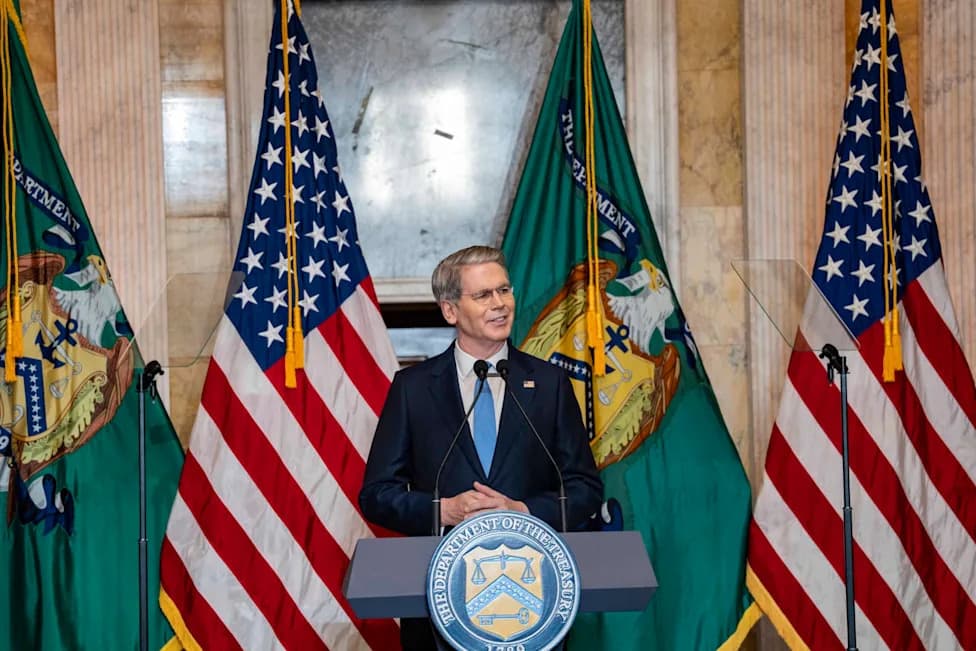
Under TEFAs, participating families are eligible to receive $10,000 per year to help cover education expenses. Students with disabilities may qualify for up to $30,000 annually. The program covers a variety of options, including private schools, charter schools, home-school curricula and approved virtual-learning providers. Texas Acting Comptroller Kelly Hancock, who is overseeing the rollout, characterized the early turnout as a victory for "educational freedom." He emphasized that Texas aims to expand options while continuing investments in public education.
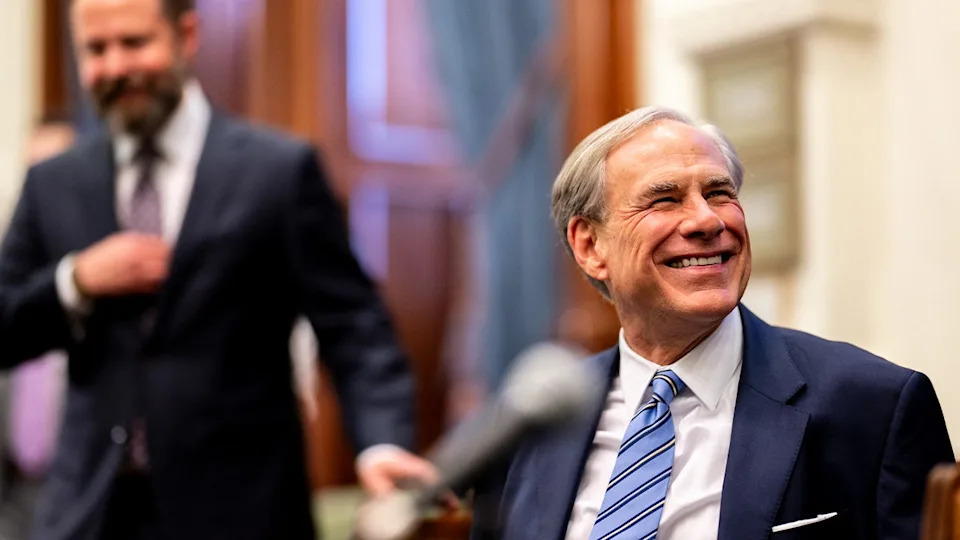
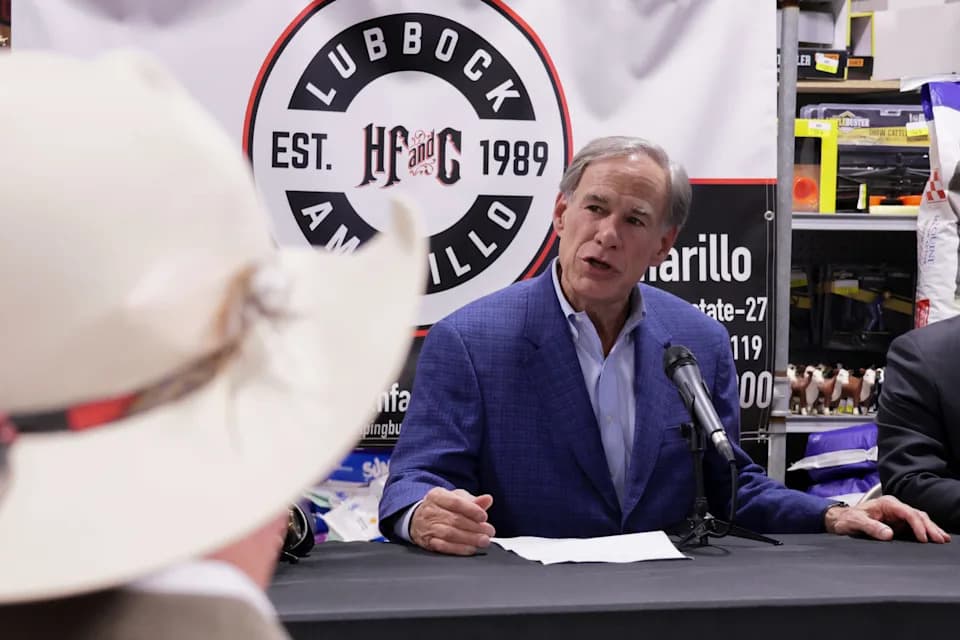
Gov. Greg Abbott laughs during a bill signing in the State Capitol on April 23, 2025, in Austin, Texas.
Supporters' Case
Proponents — led by state Republicans and advocates for parental choice — say TEFAs give families alternatives to poorly performing schools and increase competition across public, charter and private sectors. Hancock noted the state operated on a constitutionally required balanced budget and that lawmakers funded TEFAs while also directing about $4 billion toward teacher pay and other public-education investments.
Opposition and Concerns
The program faced strong resistance from major teachers' unions, including the Texas American Federation of Teachers (Texas AFT) and the Texas State Teachers Association (TSTA). Ahead of the launch, Texas AFT called TEFAs a "growing billion-dollar boondoggle." TSTA President Ovidia Molina warned that the state cannot adequately fund both the traditional public system and the new choice program and pledged to continue efforts to stop it.
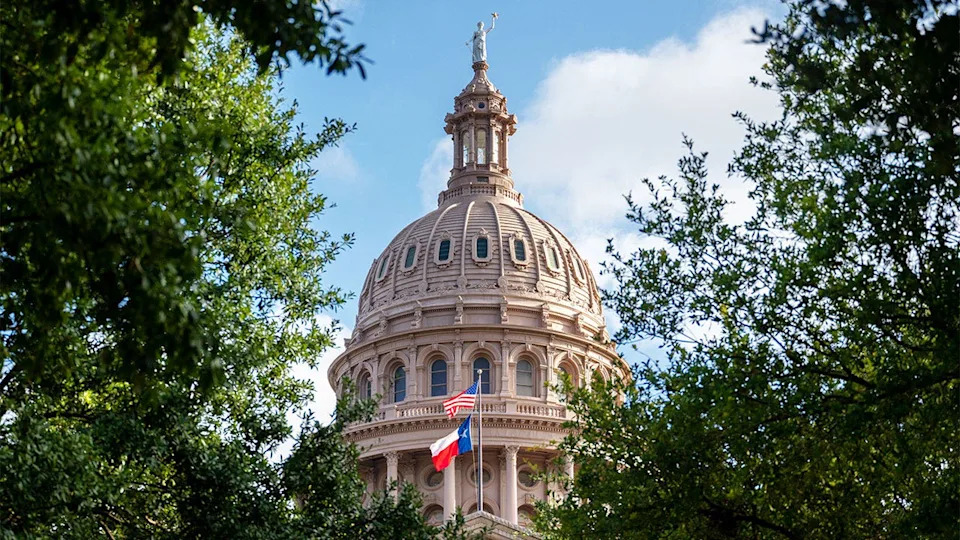
School choice was a major legislative priority for Gov. Greg Abbott, who signed the measure establishing the program into law last May.
"These schools will use public tax dollars to discriminate against children whose families pay these tax dollars. Public schools do not discriminate... and only public schools should receive our tax revenue," said TSTA President Ovidia Molina, criticizing some approved private providers as predominantly religious and potentially exclusionary.
Supporters counter that public schools remain funded and that offering families more choices is intended to drive improvements statewide. Hancock framed critics as defenders of the status quo who resist competition, saying, "What's best for children is competition."
What to Watch
Key issues to follow include the final enrollment numbers by the March 17 deadline, the program's long-term fiscal impact on public-school budgets, how participating private and religious schools handle nondiscrimination and admission policies, and any legislative or legal challenges from unions or advocacy groups.
Help us improve.