
Hezbollah and Iran appear to have coordinated strikes using cluster munitions against Israel on day 11 of Operations Epic Fury and Roaring Lion, straining Israeli air defenses and raising civilian risk. Cluster warheads disperse numerous bomblets that are difficult to intercept and are widely condemned under the 2008 Convention on Cluster Munitions. Reuters and other outlets report Hezbollah is reverting to guerrilla tactics in south Lebanon while the IDF has launched airstrikes against positions in Beirut's southern suburbs.
Hezbollah and Iran Launch Coordinated Cluster-Munition Strikes on Israel in Major Escalation
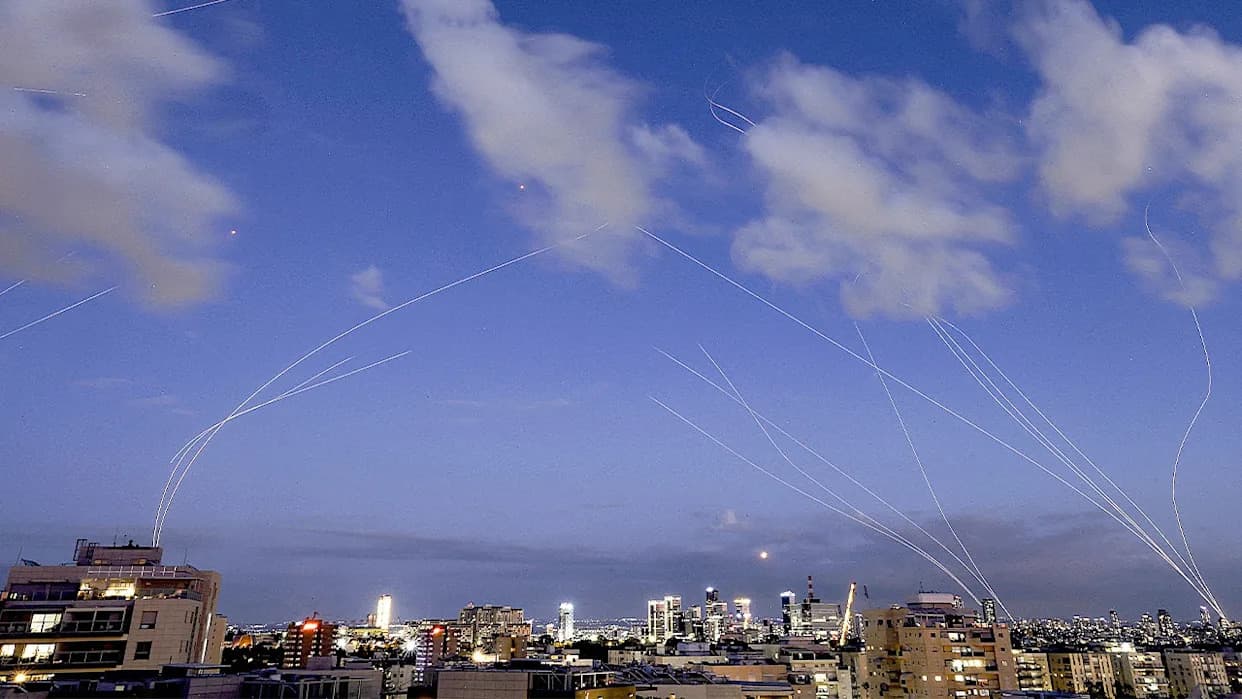
Hezbollah, Iran unleash coordinated cluster bomb strikes on Israel in major escalation
On Tuesday, security experts and officials reported that Hezbollah and Iran appear to have coordinated strikes using cluster munitions against Israel, marking a potential escalation on day 11 of Operations Epic Fury and Roaring Lion — the joint U.S.-Israeli campaign targeting Iranian assets.
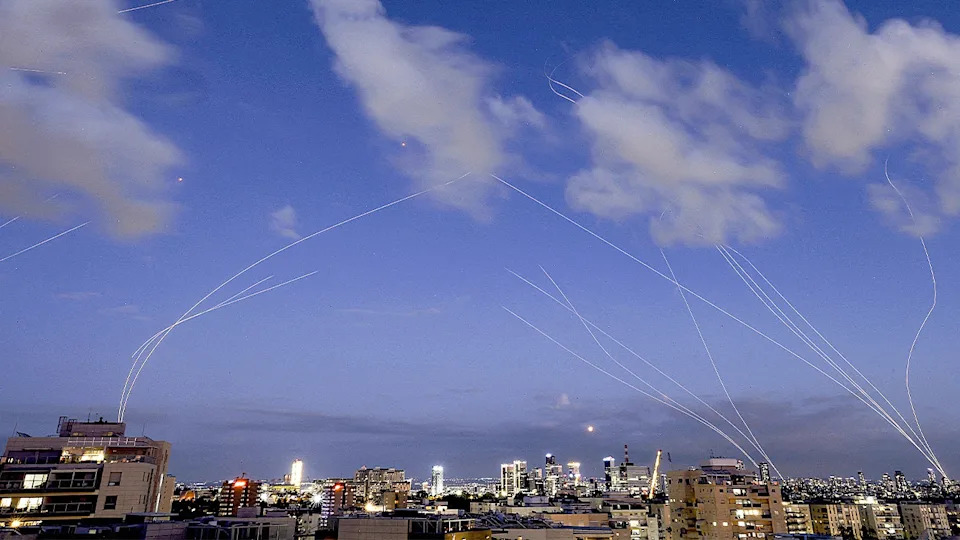
Explosions from projectile interceptions by Israel's Iron Dome missile defence system over Tel Aviv.(Getty Images)
Coordinated Attacks and Defense Challenges
Kobi Michael, a senior researcher at the Institute for National Security Studies and the Misgav Institute, told Fox News Digital from a bomb shelter near Tel Aviv that "Hezbollah has fully joined the war, and it looks like they are now very well coordinated with Iran." He said many Hezbollah rockets and drones were launched simultaneously with Iranian missiles.
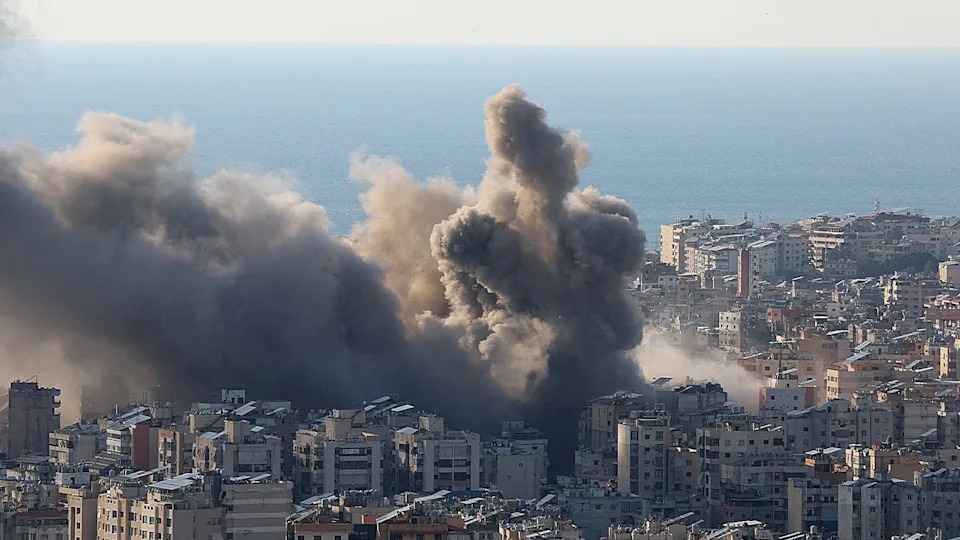
Smoke and dust rise after an Israeli strike on Beirut's southern suburbs, following an escalation between Hezbollah and Israel amid the U.S.-Israeli conflict with Iran, Lebanon.
Israel confirmed that Iranian forces have used cluster munitions, according to The Associated Press. Cluster warheads open at high altitude and disperse dozens of smaller bomblets across wide areas. Those submunitions can appear as orange fireballs at night, are difficult to intercept and pose severe risks to civilians and infrastructure.
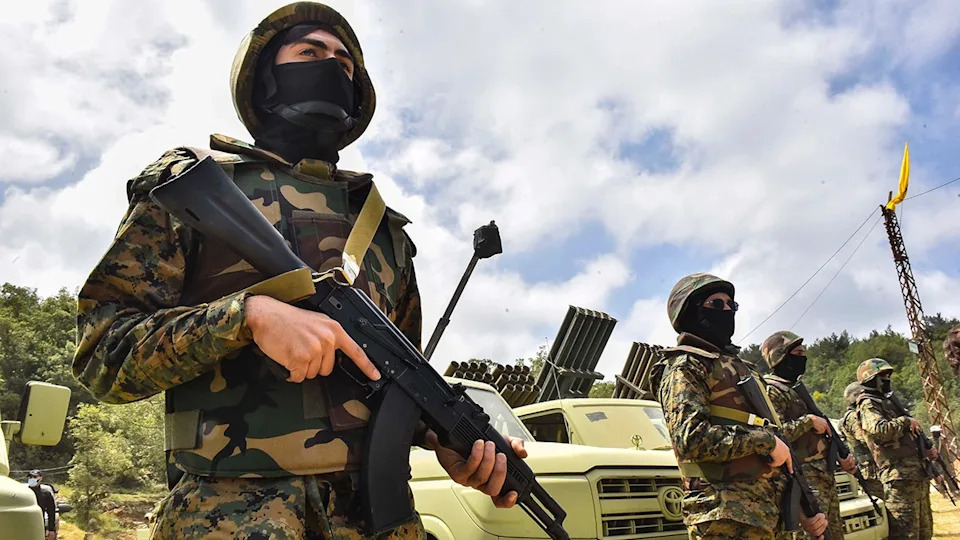
Hezbollah terrorists are taking part in cross-border raids, part of a large-scale military exercise, in Aaramta, bordering Israel, on May 21, 2023 ahead of the anniversary of Israel's withdrawal from southern Lebanon in 2000.
Operational Impact and Responses
Fox News correspondent Nate Foy noted that, despite Israel's robust air defenses, roughly half of the incoming projectiles are reportedly cluster munitions, complicating interception efforts. An anonymous Israeli military official also told reporters that about half of the projectiles Iran has launched toward Israel were cluster bombs, The Associated Press reported.
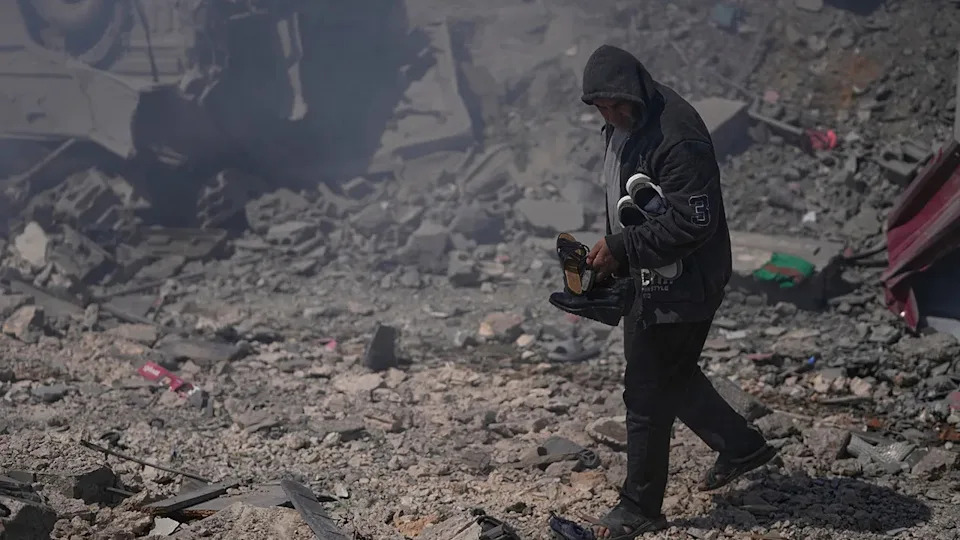
A man carries shoes from his destroyed house that was hit by Israeli airstrikes hit several houses in Sir al-Gharbiyeh village south Lebanon, Sunday, March, 8, 2026.
Michael warned that "the Iranian use of cluster missiles and the idea that they deliberately target civilians and civil facilities must be considered as a use of non-conventional weapons, and the American-Israeli response must be appropriate." Cluster munitions are banned by more than 120 countries under the 2008 Convention on Cluster Munitions and are widely condemned for their indiscriminate, wide-area effects.
Hezbollah Ground Tactics and IDF Strikes
Reuters reported that Hezbollah is adopting lessons from past conflicts and appears to be reverting to guerrilla-style tactics in south Lebanon: operating in small units, limiting electronic communications to avoid interception, and conserving key anti-tank rockets. Sources say Hezbollah's elite Radwan fighters have redeployed near Khiyam — close to where Lebanon, Israel and Syria meet — a zone the group believes a ground invasion might begin.
By Tuesday night the Israel Defense Forces said it had launched airstrikes against Hezbollah infrastructure in Beirut's southern suburbs, reiterating warnings for civilians to evacuate the Dahiyeh area. The IDF posted on X: "This is what we’re operating against." Reuters and other outlets reported heavy fighting near the border and intensified bombing toward the Haifa region.
Civilian Impact and Broader Implications
Michael said many Israelis have been spending long periods in shelter rooms as sirens continue and civilian areas face repeated strikes. He warned that "Israel is a small country and will not be able to continue containing such asymmetry and this type of attrition war," and suggested Israel may seek to establish a security buffer zone in southern Lebanon extending to the Litani River to prevent future attacks.
The situation remains fluid. Independent reporting from Reuters, The Associated Press and Fox News underpins these accounts; claims about intent and coordination are based on statements from officials and analysts and have not been independently verified by all outlets.
Help us improve.





















