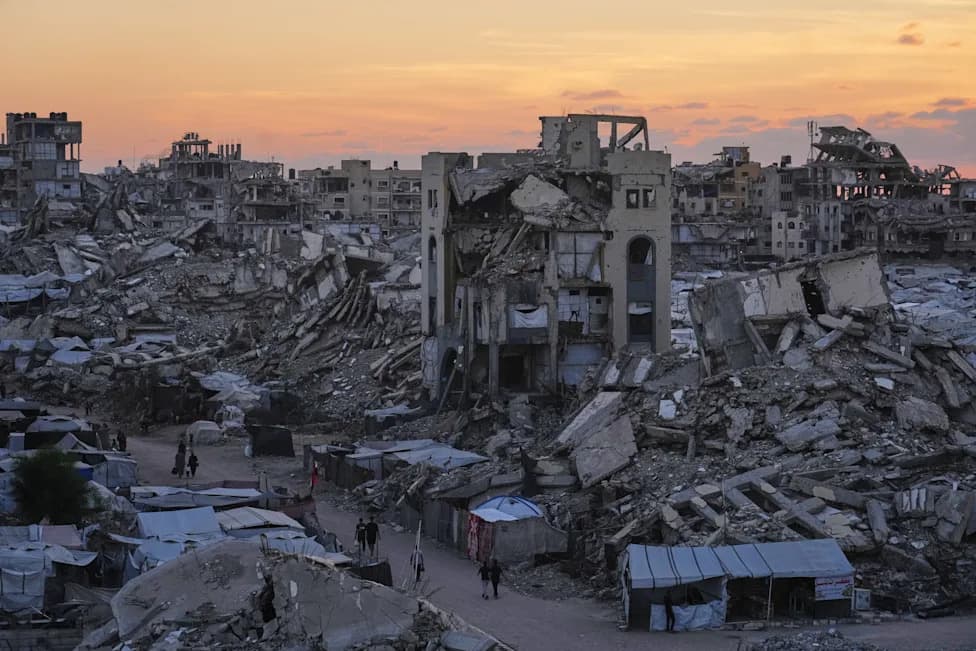
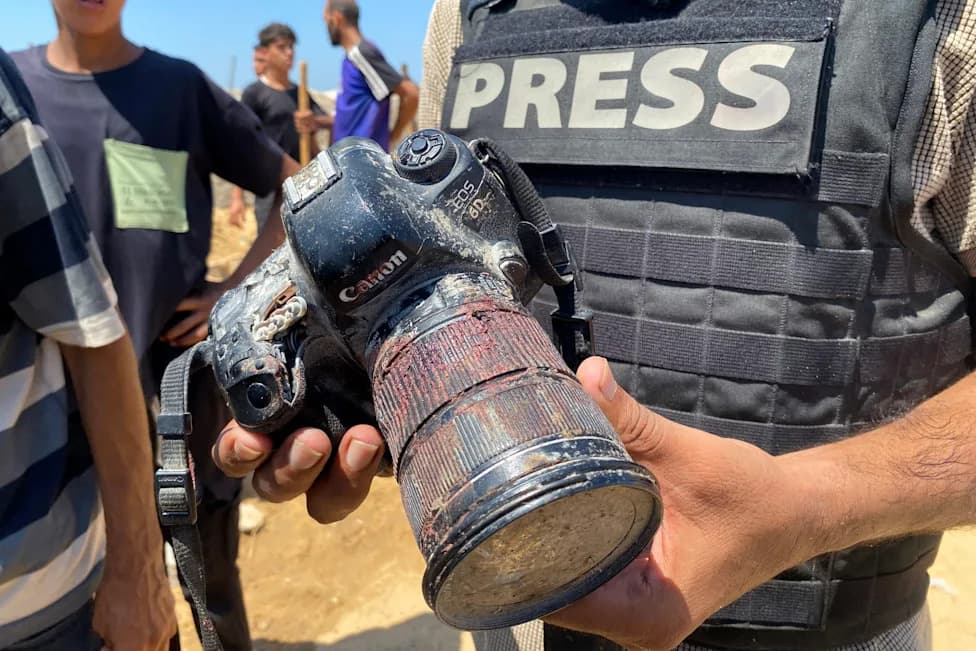
Governments and militias across the Middle East have tightened restrictions on journalists covering the war, imposing censorship, controlled media visits and arrests. Iran and Israel are among the hardest-hit for independent reporting, while Gulf states have stepped up penalties for sharing images of strikes. AFP and other outlets increasingly rely on displaced witnesses, diaspora contacts and remote verification to piece together reporting as access and internet connectivity deteriorate.
Journalists Under Siege Across the Middle East as Censorship, Detention and Access Tighten
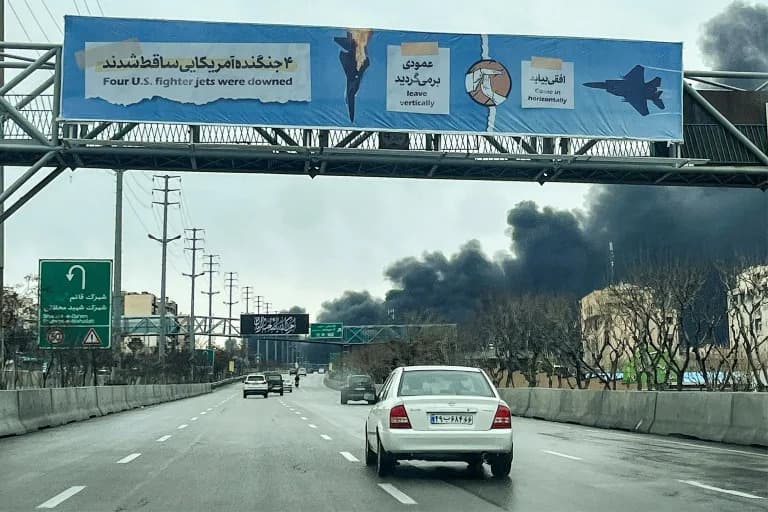
Some of the tightest restrictions are in Iran and Israel (-)(-/AFP/AFP)
Reporters covering the war across the Middle East are encountering increasingly stringent controls, censorship and the threat of detention imposed by state authorities and armed groups, according to a survey of AFP bureau chiefs in the region.
Iran: Information Blackouts and Restricted Movement
Independent reporting outside Tehran is severely constrained. AFP, one of the few international outlets with a Tehran bureau, was unable to reach the strike site at a school in Minab in southern Iran, where authorities say more than 150 people, many of them children, were killed. Iran's internet has been largely disrupted and security measures are tight, producing relatively little independent user-generated content.
The Ministry of Culture and Islamic Guidance (Ershad) typically must approve press coverage, and authorities organise tightly managed media visits to affected civilian sites. An intelligence advisory warned people that photographing or recording precise locations of damaged buildings could be construed as hostile activity and should be reported to authorities. AFP has compensated by relying on interviews with people who fled Iran, contacts in the diaspora and a dedicated Paris-based team that scours social media and reaches out to those who have left the country.
Israel: Military Censorship Intensifies
Israel, which long enforces military censorship on sensitive operations, has tightened restrictions further as it faces strikes from Iran and Hezbollah. Live broadcasts of the skyline when air-raid alarms sound are banned, and footage showing air-defence interceptions is now prohibited. The army also restricts publication of exact impact locations and information about military planning, citing the need to avoid assisting the enemy in wartime. Media guidance from the army's chief censor underscores these limits.
Gulf States, Lebanon and Non-State Actors
Gulf monarchies facing unprecedented missile and drone attacks attributed to Iran have strengthened controls. Qatar said it arrested more than 300 people for sharing images and allegedly misleading content about attacks. The UAE warned against photographing or circulating images that show damage at projectile impact sites and signalled intent to penalise those sharing fake or AI-generated images. Saudi Arabia has tightened restrictions on filming critical infrastructure and diplomatic zones and has pressured journalists about anonymous sources.
In Lebanon, Hezbollah restricts reporters' access to its strongholds in Beirut's southern suburbs, offering organised press trips but preventing independent movement in those areas. Kuwait and Bahrain also reported arrests linked to the circulation of imagery or content deemed destabilising or insulting to security forces.
Iraq, Jordan And Kurdish Areas
Authorities across Iraq limit reporting: journalists are generally barred from filming near Baghdad International Airport and denied access to border crossings with Iran. In Kurdish-controlled northern areas, officials forbid publication of live videos of incoming missiles or rockets, disclosure of attack times and locations, and filming near military, government or diplomatic sites. Jordan's media regulator banned publication of any material relating to defence operations, warning of criminal prosecution for violators.
International Media And Military Embeds
The Pentagon has not resumed the kind of international embeds seen in earlier conflicts. Several outlets, including AFP, AP, Fox News and The New York Times, had their Pentagon credentials revoked after declining to sign new media rules, limiting direct access to US military operations and briefings.
The Human Cost And Reporting Workarounds
Journalists in the region report mounting physical and psychological strain, disrupted sleep from night strikes and constant operational pressures. With on-the-ground access shrinking, independent outlets increasingly depend on displaced people, diaspora networks, remotely based teams and careful verification of social media material to reconstruct events.
Help us improve.