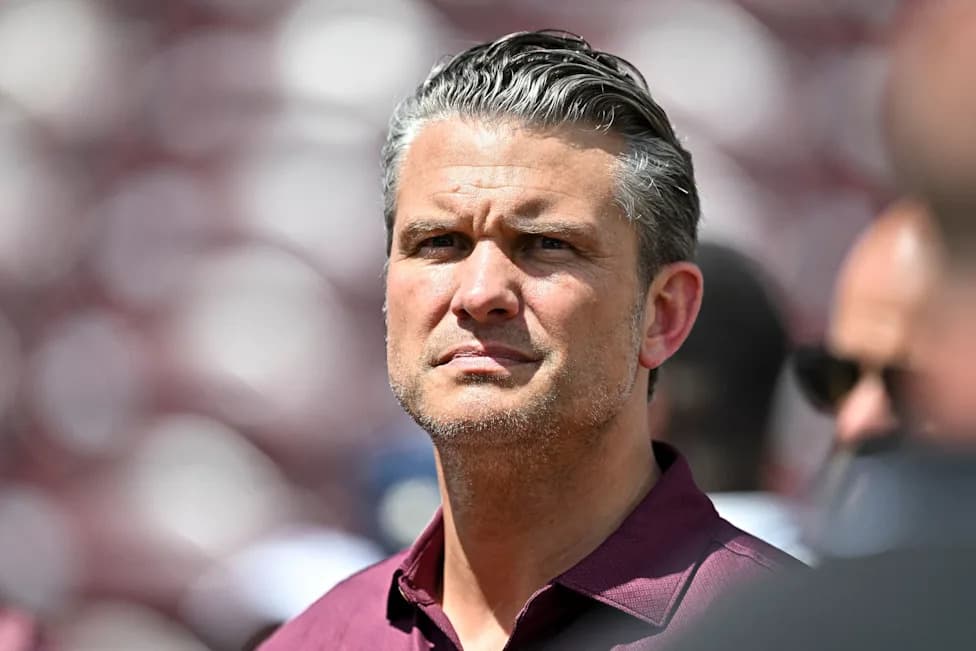
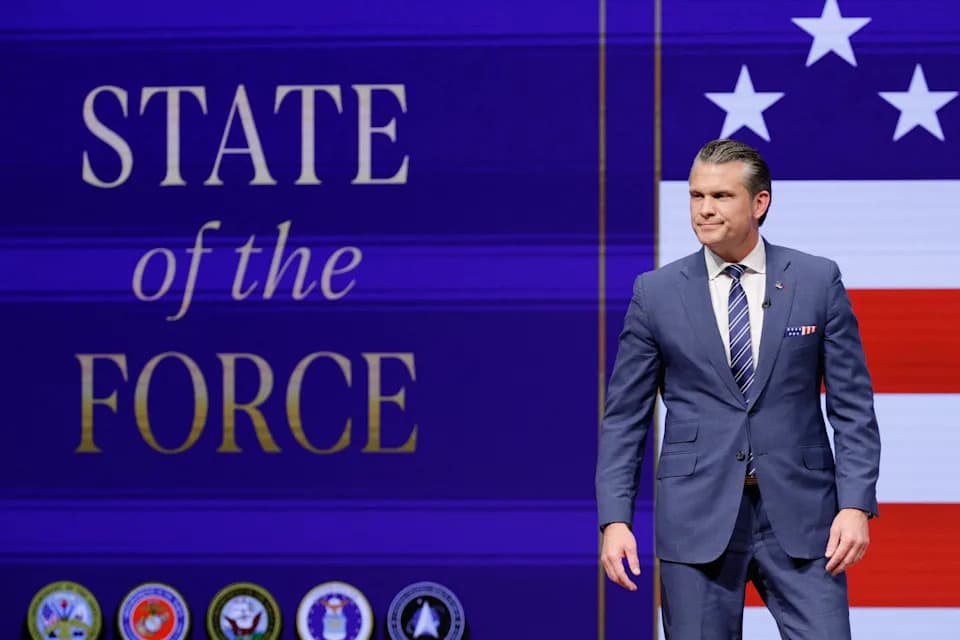
Pete Hegseth, the former Fox News host confirmed as U.S. defense secretary after a 50–50 Senate split and a tie-breaking vice‑presidential vote, has drawn fierce criticism for bellicose remarks about strikes on Iran and apparent use of crusader imagery. Veterans, former officials and faith leaders warn his rhetoric, tattoos and past controversies risk conflating U.S. military policy with religious symbolism and could inflame regional tensions. Observers call for clearer strategy, restraint and reassurances to allies and service members.
“A Very Dangerous Person”: Alarm Over Defense Secretary Pete Hegseth’s Belligerent Rhetoric And Christian‑Nationalist Imagery
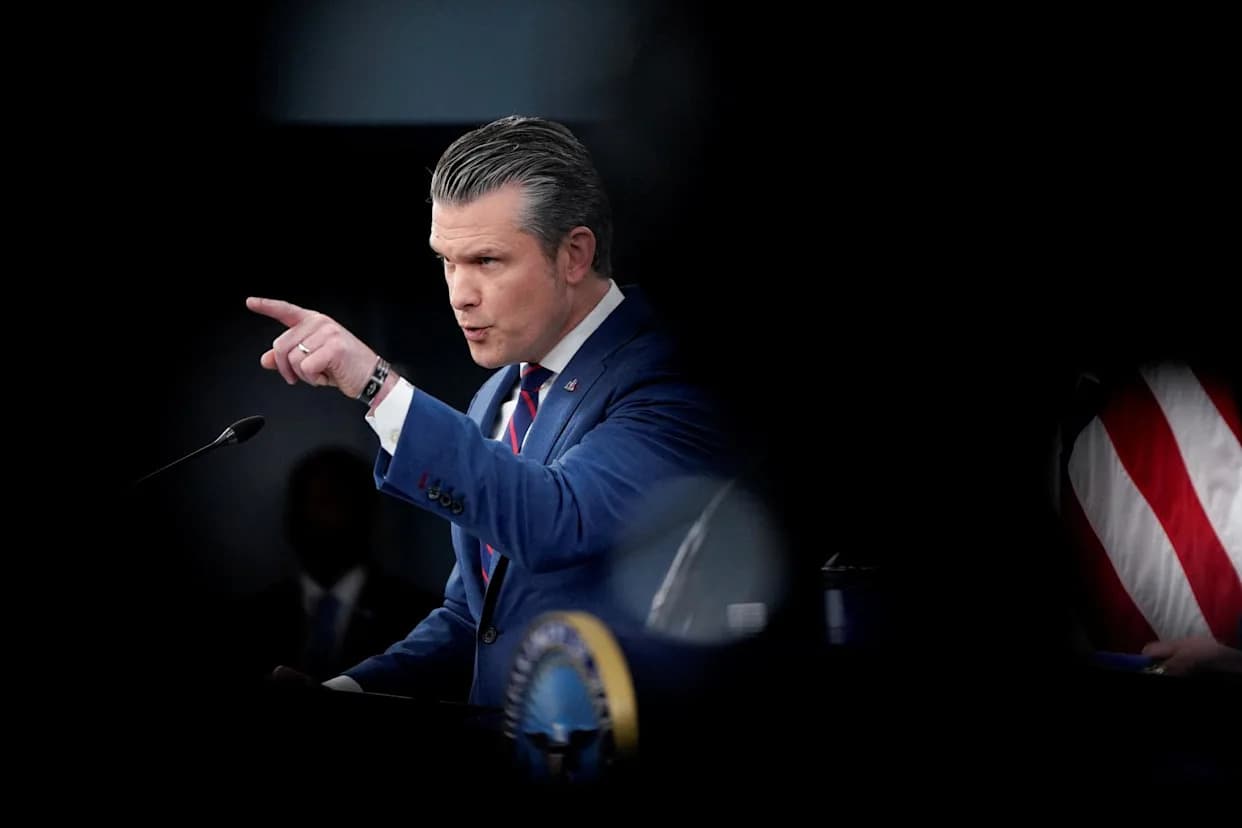
Pete Hegseth at a Pentagon briefing earlier this week.Photograph: Elizabeth Frantz/Reuters(Photograph: Elizabeth Frantz/Reuters)
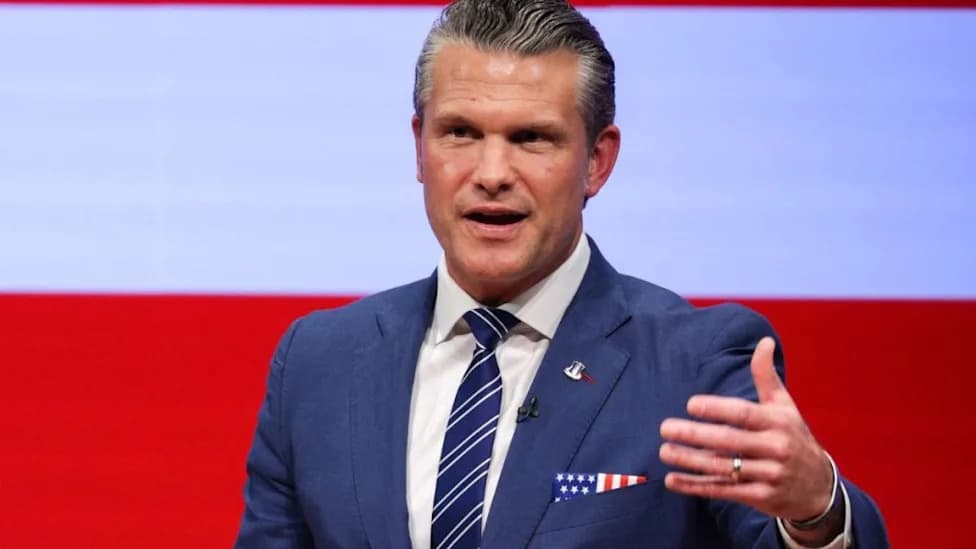
Brash and belligerent, Pete Hegseth sounded more like a partisan television host than the solemn head of the U.S. military when he addressed reporters at the Pentagon this week. Wearing a red, white and blue tie and pocket square, he declared: "Death and destruction from the sky all day long," adding, "This was never meant to be a fair fight, and it is not a fair fight. We are punching them while they’re down, which is exactly how it should be." Critics say those remarks have intensified concerns about the direction of the U.S. campaign against Iran.
Why Critics Are Alarmed
At 45, Hegseth — a former Fox News host who was confirmed as U.S. defense secretary after a 50–50 Senate split and a tie-breaking vote by Vice‑President J.D. Vance — has become the public face of the Trump administration’s response to recent strikes on Iran. Veterans groups, former officials and advocacy organizations warn his combative style, history of controversial statements and apparent embrace of Christian‑nationalist symbolism risk turning a geopolitical conflict into something that some observers fear could be portrayed as sectarian.
Allegations and Past Controversies
Hegseth’s career includes service in the Army National Guard with deployments to Guantánamo Bay, Iraq and Afghanistan, and later roles leading conservative veterans’ organizations. He left Concerned Veterans for America in 2016 amid allegations of financial mismanagement and personal misconduct. His confirmation hearing also drew sustained scrutiny for past comments about women in uniform, reports alleging drinking on duty, accusations of sexual impropriety and questions about his management of veterans’ nonprofits.
Religious Imagery And Worries About Christian Nationalism
Critics point to Hegseth’s public use of crusader imagery — photographs reportedly show a Jerusalem cross tattoo and a tattoo bearing the Latin phrase "Deus vult" ("God wills it") — and to passages in his 2020 book, American Crusade, that use crusader language to describe political struggle. Observers warn that mixing religious rhetoric and military policy can alienate Muslim-majority partners in the Middle East, inflame regional tensions and provide adversaries with a rationale to depict the conflict as a religious war.
"Pete Hegseth is a very dangerous person," said Janessa Goldbeck, CEO of Vet Voice Foundation, warning that his rhetoric and worldview pose risks when combined with control of U.S. military power.
Responses From Veterans, Officials And Faith Leaders
Veterans and former White House officials have criticised Hegseth’s tone and approach. Brett Bruen, a former Obama administration official, said the public needs reassurance and strategic clarity from the Pentagon — not bravado. Janessa Goldbeck, a Marine Corps veteran, described Hegseth’s performance as cavalier and lacking the gravitas required in wartime.
Religious leaders and researchers have also raised concerns. Robert P. Jones of the Public Religion Research Institute said Hegseth’s record reflects a long‑standing orientation rather than isolated remarks, and groups such as the Military Religious Freedom Foundation report many complaints from service members about commanders invoking extremist religious rhetoric.
Potential Consequences
Critics say Hegseth’s rhetoric risks undermining alliances, complicating diplomatic efforts, and providing propaganda to adversaries who might portray U.S. actions as a sectarian crusade. Supporters argue his hardline posture signals resolve; opponents counter that restraint, clear legal standards and careful diplomacy are essential to avoid escalation and protect civilians and service members.
As the administration proceeds, watchers across the political spectrum are watching whether Hegseth will adopt a more traditional, strategic tone for the Pentagon’s leadership role or continue the combative posture that has so far defined his public statements.
Help us improve.