
The regional conflict entered its ninth day as an Iranian drone damaged a desalination plant in Bahrain, threatening vital water supplies across the Gulf. Israel renewed heavy strikes in southern Lebanon, raising the death toll above 300, while Iran accused a U.S. strike on Qeshm Island — a claim the U.S. has not confirmed. Officials report mounting casualties across the region and signs of a split between Iranian politicians favoring diplomacy and hard-liners backing continued strikes.
Iranian Drone Damages Bahrain Desalination Plant as Regional War Spreads
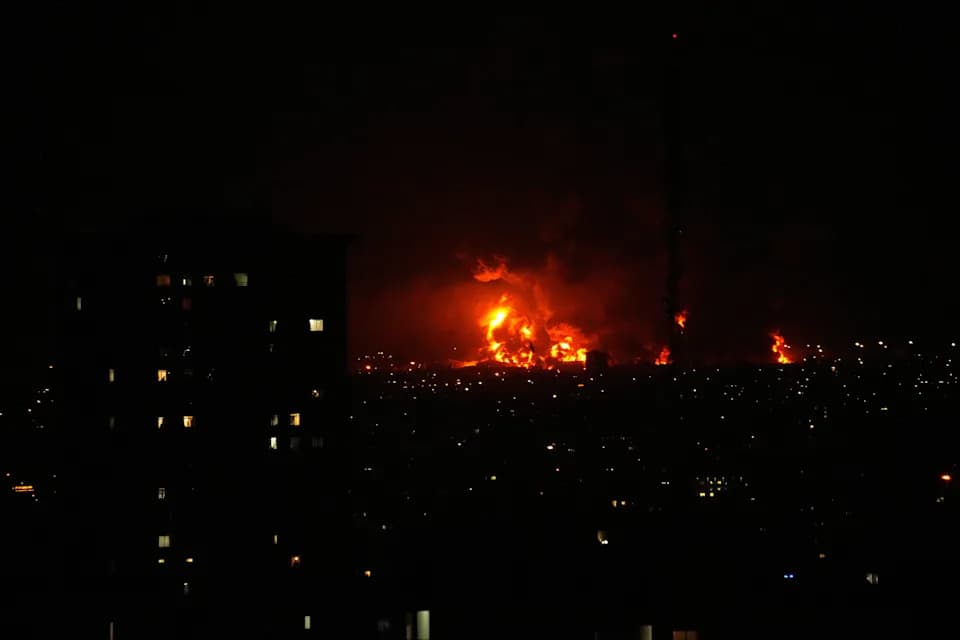
Flames rise from an oil storage facility south of the capital Tehran as strikes hit the city during the U.S.–Israel military campaign, Iran, Saturday, March 7, 2026. (AP Photo/Vahid Salemi)(ASSOCIATED PRESS)
An Iranian drone struck and damaged a desalination plant in Bahrain as the wider Middle East conflict entered its ninth day, expanding attacks to critical infrastructure that supplies drinking water across the arid Gulf states.
What Happened
Iran’s Foreign Minister Abbas Araghchi said a U.S. airstrike had earlier damaged an Iranian desalination facility on Qeshm Island and warned that “the U.S. set this precedent, not Iran.” The U.S. military has not confirmed any strike on that plant. Bahraini authorities reported damage to a local desalination facility after an Iranian drone strike, raising concerns about the vulnerability of water supplies in the Gulf.
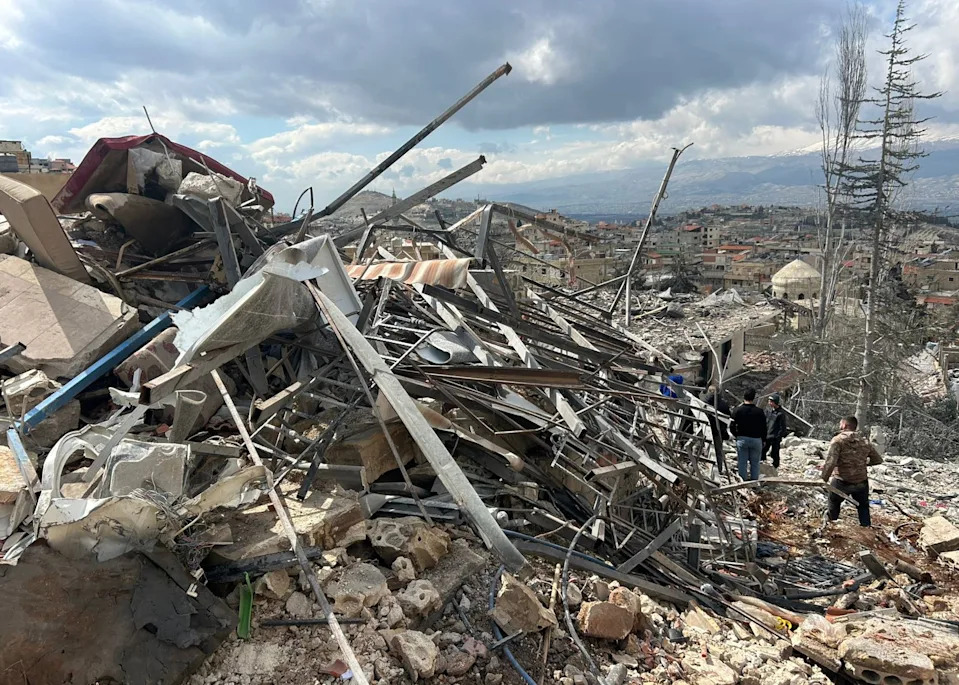
People check the damage left by Israeli airstrikes late Friday, in the village of Nabi Chit, eastern Lebanon, Saturday, March 7, 2026, where Israeli forces landed overnight and dug a grave in a cemetery searching for Israeli co-pilot Ron Arad who was captured and then went missing after his fighter jet crashed over south Lebanon in 1986. (AP Photo/Ali Salem)(ASSOCIATED PRESS)
Frontlines and Regional Fallout
Israel renewed heavy strikes in southern Lebanon early Sunday, driving the death toll there above 300 after orders to evacuate large areas ahead of a possible ground offensive aimed at Iran-backed forces. Israel and the United States launched major operations on Feb. 28, saying they were targeting Iran’s nuclear and missile programs and other military capabilities. The campaign has since spread across the region, rattling global markets, disrupting air travel and prompting a series of cross-border strikes and interceptions.
Iranian Response and Internal Divisions
Iran has fired missiles and drones at neighboring countries in the Gulf, and its strikes — some causing civilian casualties — have hit targets in several states. Iranian President Masoud Pezeshkian used conciliatory language on state television, calling neighboring countries “friends and brothers” while accusing the United States and Israel of seeking to sow discord. At the same time, hard-line officials have signaled continued military action.
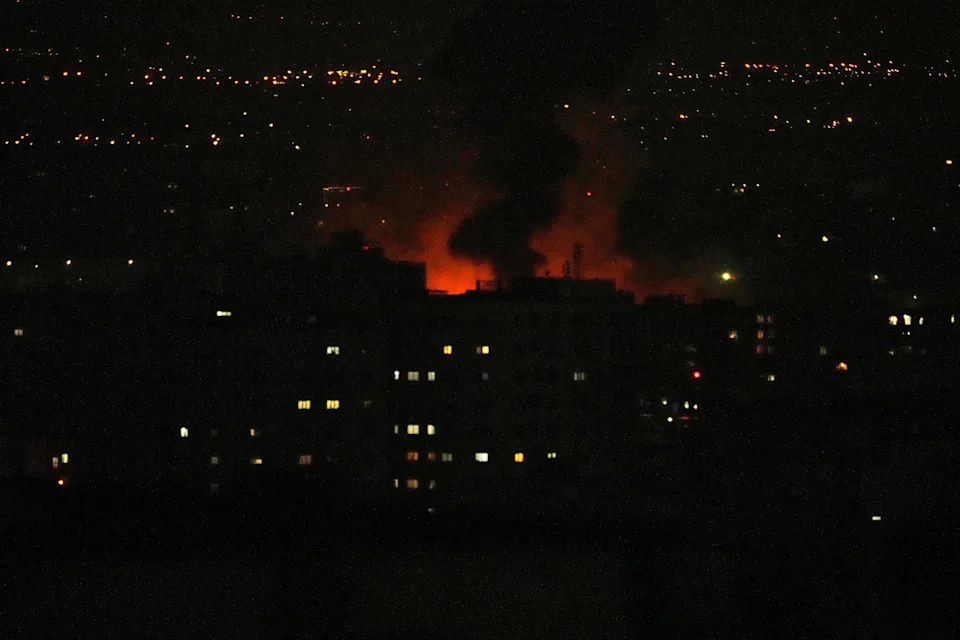
Smoke rise as strikes hit the city during the U.S.–Israeli military campaign, in Tehran, Iran, Saturday, March 7, 2026. (AP Photo/Vahid Salemi)(ASSOCIATED PRESS)
Gholam Hossein Mohseni-Ejei, head of the judiciary and a member of Iran’s leadership council, posted that certain geographic points in the region are being used against Iran and that intense attacks on those targets will continue.
Reporting indicates a tension between Iranian politicians favoring diplomatic de-escalation and elements aligned with the paramilitary Islamic Revolutionary Guard Corps (IRGC), which controls ballistic missile assets and has a central role in targeting decisions. This internal split could complicate diplomatic efforts to halt the fighting.
U.S., Israel And Wider Regional Incidents
U.S. and Israeli strikes have focused on Iranian military capabilities, leadership and nuclear-related sites, though stated goals and timetables have shifted over time. Officials have reported casualties across the region: at least 1,230 killed in Iran, more than 290 in Lebanon and 11 in Israel, along with six U.S. service members.
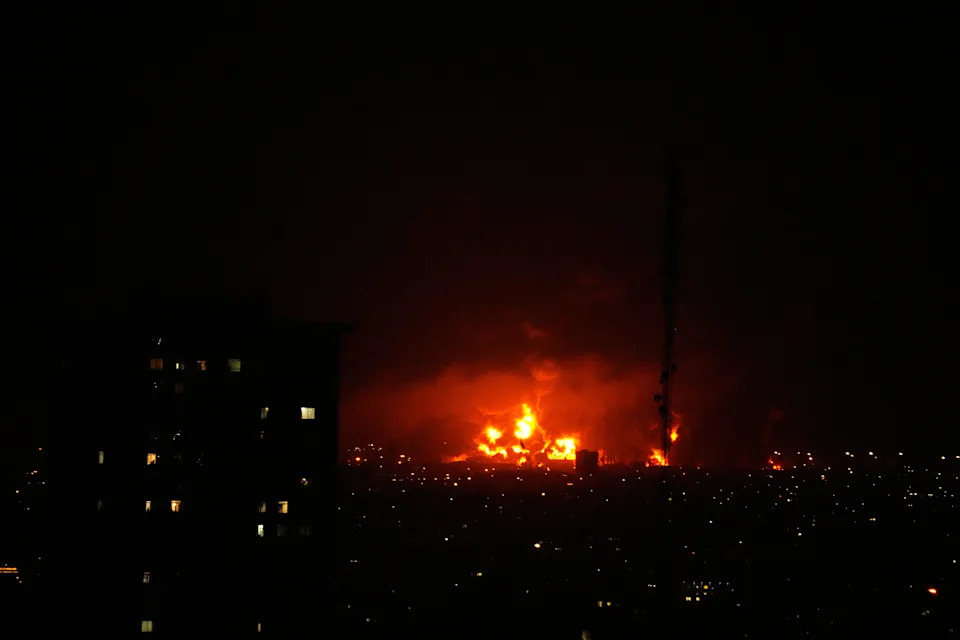
Flames rise from an oil storage facility south of the capital Tehran as strikes hit the city during the U.S.–Israeli military campaign, Iran, Saturday, March 7, 2026. (AP Photo/Vahid Salemi)(ASSOCIATED PRESS)
Other Gulf states reported attacks and interceptions: the United Arab Emirates said debris from an aerial interception struck a vehicle and killed a driver; Kuwait reported waves of drones that targeted fuel tanks at its international airport and government buildings; Saudi Arabia said it destroyed a drone headed for the Shaybah oil field and shot down several drones over Riyadh; Bahrain reported missile fragments fell on a road in Manama, injuring a person and damaging shops. Iraqi Kurdish authorities also reported fatalities from strikes in their region.
Why It Matters
The strike on Bahrain’s desalination plant underscores the growing risk to essential utilities that supply drinking water across the Gulf’s arid landscape. Damage to such infrastructure raises both immediate humanitarian concerns and longer-term risks for civilian populations across multiple countries.
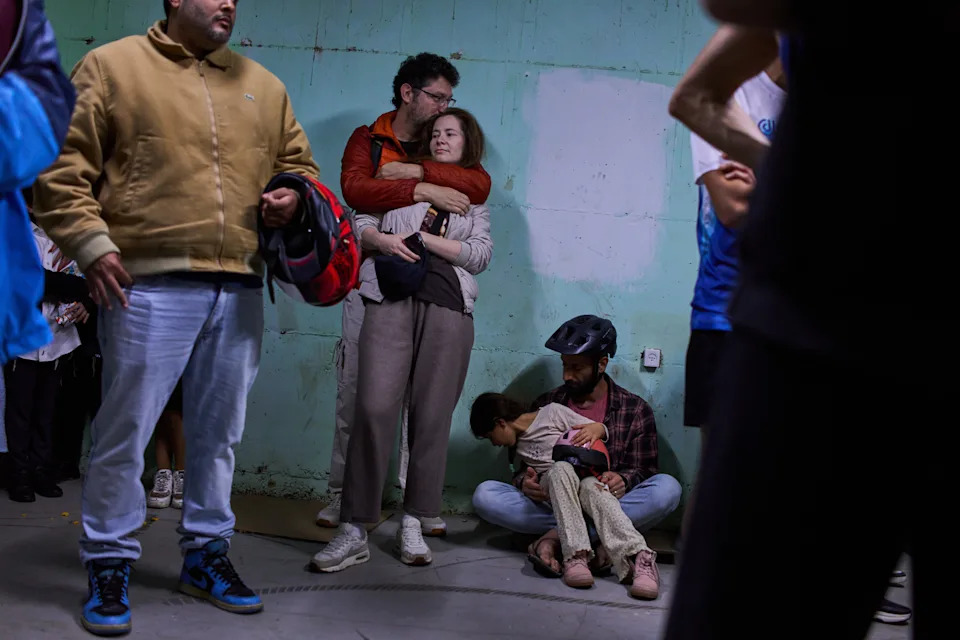
People take shelter as air raid sirens warning of incoming Iranian missiles in Tel Aviv, Israel, Saturday, March 7, 2026. (AP Photo/Oded Balilty)(ASSOCIATED PRESS)
The situation remains fluid and many details — including responsibility for some strikes — remain contested. Officials on all sides have issued stark warnings, and diplomatic avenues appear strained amid continued military operations.
Note: Casualty and incident figures are those reported by officials in the affected countries and may be updated as additional information becomes available.
Help us improve.





















