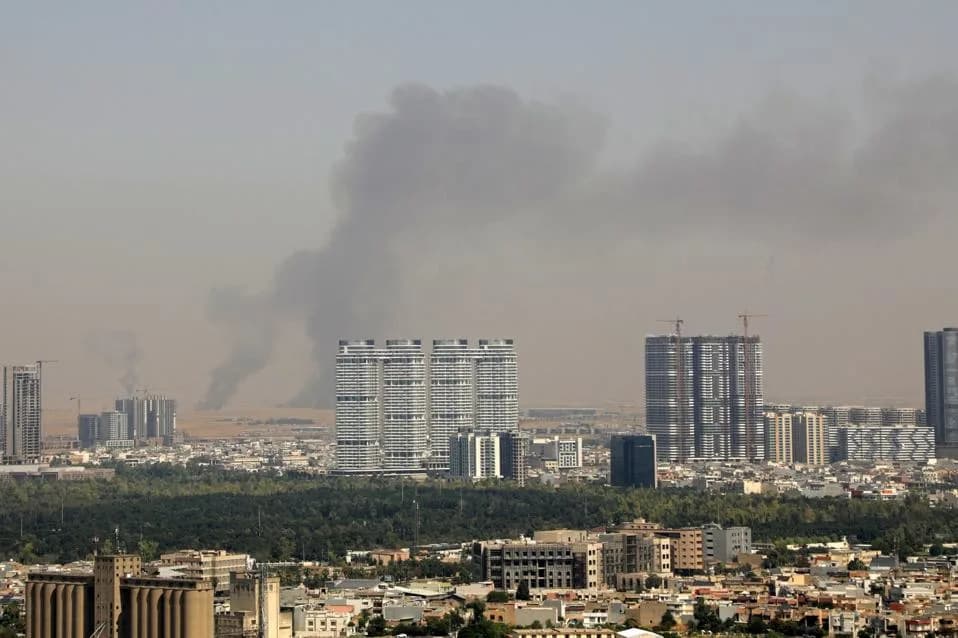
The Iran‑US‑Israel confrontation has begun to spill into Iraqi Kurdistan, where residents — including retired peshmerga — say they do not want to be drawn into a wider war. Drone strikes and cross‑border fire have hit areas near Erbil and border valleys, forcing towns to empty and trade to grind to a halt. Memories of the 1991 exodus and longstanding regional distrust shape Kurdish reluctance to take sides. Locals emphasize they want safety and stability, not another conflict.
“This Isn’t My War”: Iraqi Kurds Fear Spillover As Iran Conflict Reaches Kurdistan
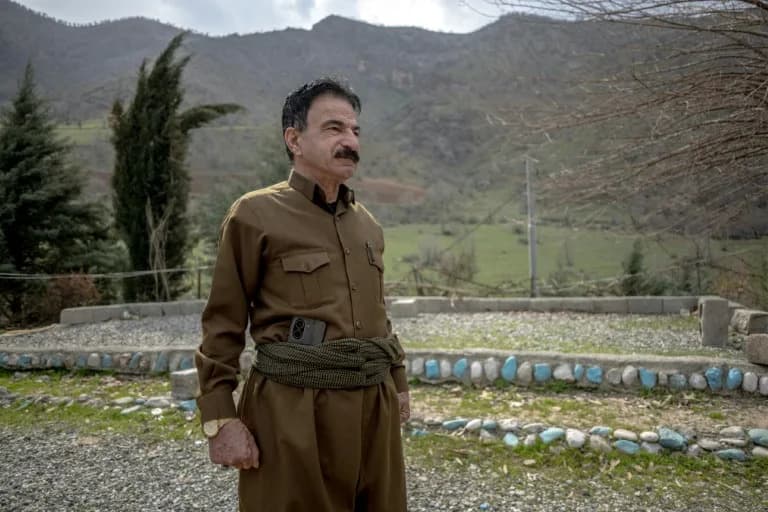
A week of war has gripped daily life in Iraqi Kurdistan (Ozan KOSE)(Ozan KOSE/AFP/AFP)
On a quiet road not far from the frontier between Iran and Iraqi Kurdistan, retired peshmerga Satar Barsirini looks up at a sky streaked with jets and drones. Though he now tills a small plot of land, he still wears his khaki shalwar, fitted jacket and a scarf tied around his waist — a reminder of past battles and the unease of the present.
The Kurdish region of Iraq has been dragged into a wider regional confrontation following strikes linked to the United States and Israel against Iran. Residents say the escalation has brought raids, drone strikes and artillery fire into areas near Erbil and the border valleys, disrupting everyday life and stoking fear.
On The Ground
“The rumble of jets and the hum of drones come from everywhere — especially at night,” Barsirini told AFP from the hamlet of Barsirini, dozens of kilometres from the frontier. He described a “shiver in our flesh” when drones strike nearby. “I feel bad for the people, because we have paid a lot in blood to liberate Kurdistan… We just want to live,” he said.
Erbil, the autonomous region’s capital, and the valleys that lead to the border have been targeted by Tehran and by Iraqi armed groups backed by Iran. American bases in the area have also come under fire, as have positions held by Iranian Kurdish parties — groups once suggested by former US President Donald Trump as potential actors to pressure Tehran. Iran has warned it would strike facilities inside Iraqi Kurdistan if fighters crossed into its territory.
Memory And Reluctance
Many Kurds pointed to painful memories of the 1991 uprising after the first Gulf War, when brutal repression forced an exodus of roughly two million Kurds into Iran and Turkey. “When we fled the cities for our lives, we went to Iran. They helped us, they gave us shelter and food,” Barsirini said, stressing that past aid shapes how some Kurds view the present conflict. “This isn’t my war,” he repeated.
Distrust also shapes attitudes toward outside powers. “I don’t trust Americans. They are dangerous people,” Barsirini said. Others expressed a desire to avoid involvement until the Kurdish region’s political status changes. “We are not even an independent country yet,” said baker Yussef Ramazan in Soran. “We would like to become one, but we are nothing for now, so we shouldn’t get involved in these situations.”
Civilians Feel The Impact
Residents describe a week of disruptions: markets emptied, deliveries from Iran stopped, and ordinary routines punctured by the fear of sudden strikes. In Soran, a town of about 3,000 roughly 65 kilometres (40 miles) from the border, a drone fell into a street on Thursday. Witnesses say people who normally crowd the pavement at dusk disappeared within minutes after the explosion.
“You could be sitting in your home… and all of a sudden a drone hits your house,” said Nasr al‑Din, a 42‑year‑old policeman who remembers being driven from his town as a child in 1991.
Truck drivers, shopkeepers and bakers spoke of halted trade, empty shops and a creeping sense that their towns could become battlegrounds in a conflict they do not want. Many Kurds emphasize they seek safety and stability rather than being drawn into a broader regional confrontation.
Key locations affected: Erbil and surrounding valleys, border towns like Soran, positions held by Iranian Kurdish parties, and some American bases in the region.
Help us improve.