The UK has authorised the US to use RAF Fairford and the Diego Garcia base for limited defensive operations intended to prevent Iran from launching missiles into the region. Prime Minister Keir Starmer initially refused US requests, drawing criticism from President Trump, but later approved a narrowly defined role after assessing threats to British interests. Aircraft including a US B-1 bomber and a C-5 transport were spotted at Fairford while protesters rallied outside. A Survation poll shows 56% of Britons backed Starmer's initial refusal.
US Uses Two UK Bases for Limited Defensive Operations Against Iran
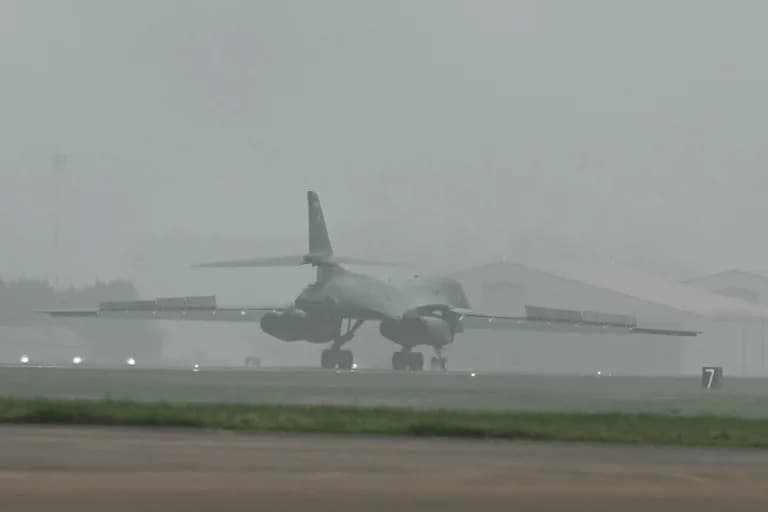
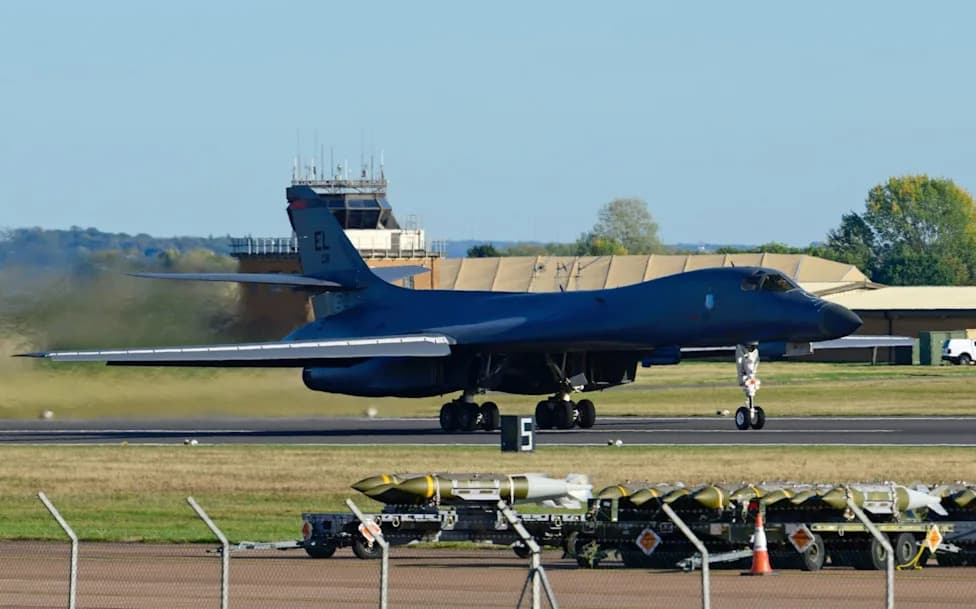
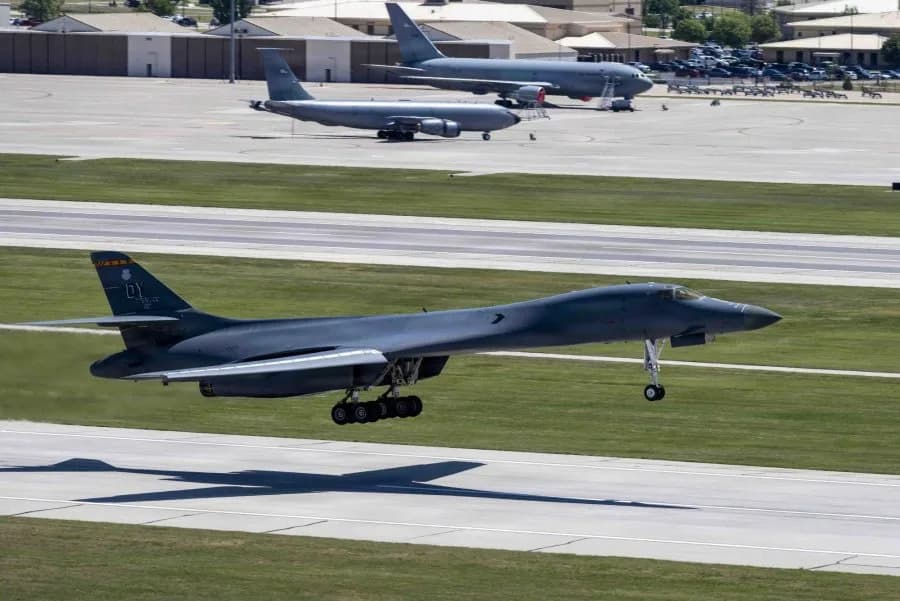
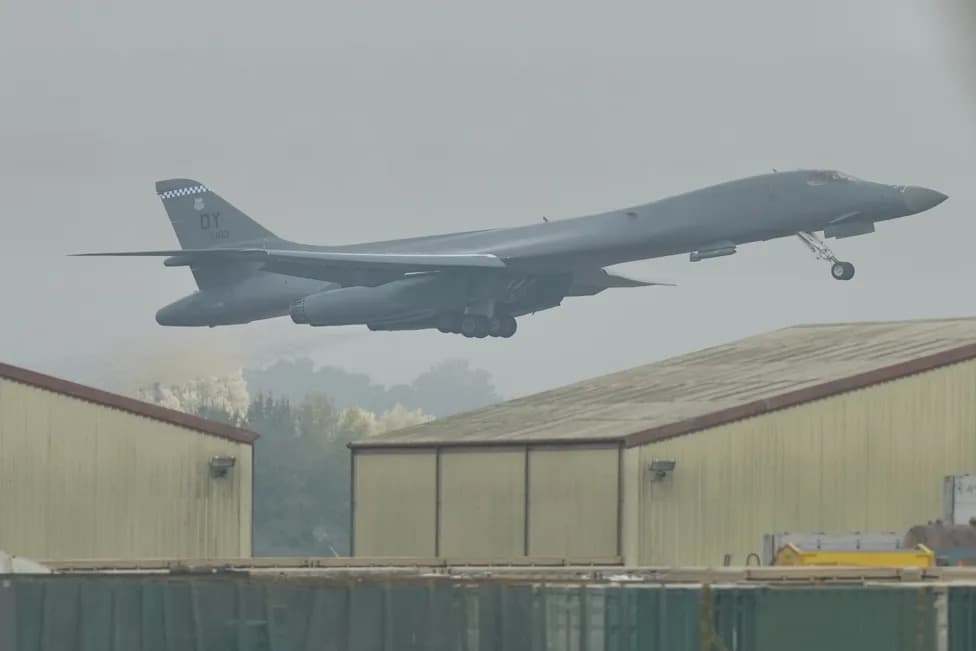
A US Air Force B-1 Lancer bomber lands at RAF Fairford in south west England on March 7, 2026 (JUSTIN TALLIS)(JUSTIN TALLIS/AFP/AFP)
The UK government announced on Saturday that the United States has begun using two British military bases for specific, limited defensive operations related to the conflict with Iran. The Ministry of Defence said the deployments are intended to help prevent Iran from firing missiles into the wider region.
What the Government Says
Downing Street and the Ministry of Defence confirmed that the US has been authorised to use RAF Fairford in Gloucestershire and the UK-US facility on Diego Garcia in the Chagos Islands for a narrowly defined defensive purpose. The UK described the authorisation as "specific and limited," aimed at protecting British interests and regional allies.
Developments on the Ground
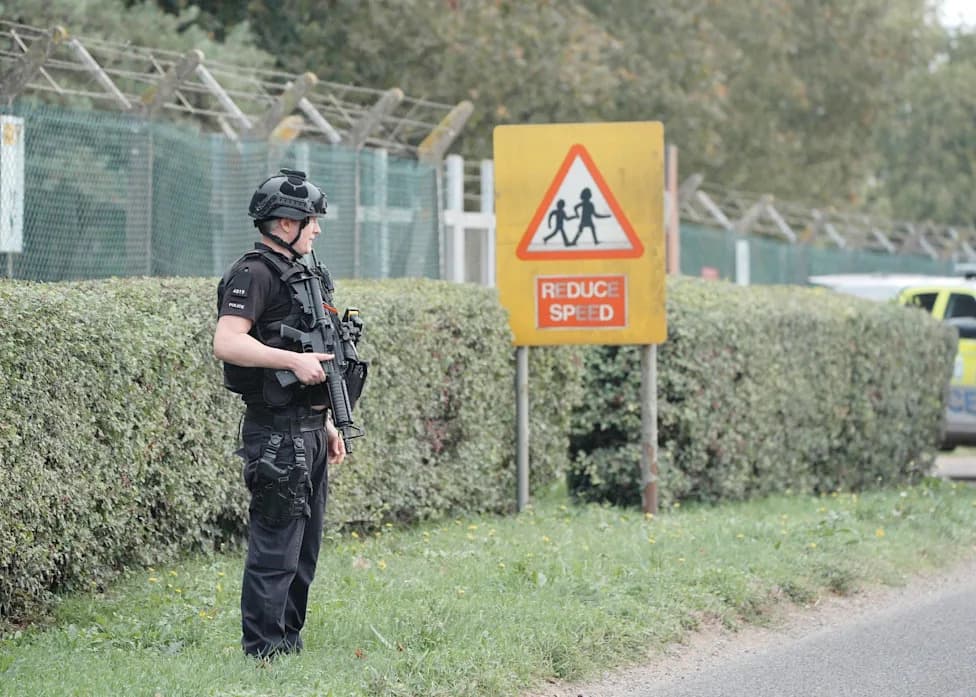
An AFP photographer reported a US Air Force B-1 Lancer bomber landing at RAF Fairford, and a US C-5 Galaxy transport plane was also observed on the runway while anti-war demonstrators protested outside the base. The Ministry said the activity relates to preventing missile launches by Iran rather than offensive strikes launched from UK territory.
Political Fallout
Prime Minister Keir Starmer initially declined a US request to involve Britain in the US-Israeli operations, a decision that reportedly angered US President Donald Trump, who said he was "not happy with the UK" and quipped, "this is not Winston Churchill that we're dealing with." Starmer, a former human rights lawyer, defended his initial stance by saying any UK action "must always have a lawful basis and a viable thought-through plan." He later agreed to permit the limited use of the bases after officials assessed threats to British interests following Iran's retaliatory missile and drone strikes.
Public Reaction
Members of the Labour Party remain sensitive to the legacy of the party's support for the 2003 Iraq invasion under Tony Blair. A Survation poll of 1,045 people, published on Friday, found that 56% of respondents supported Starmer's initial decision not to participate in the strikes, while 27% said he was wrong to refuse.
Key Context: Officials emphasise the UK role is limited and defensive. Protests at RAF Fairford underlined domestic unease over any involvement in the wider conflict.
Help us improve.