Iranian Foreign Minister Abbas Araghchi said Tehran has not chosen to wage war on neighboring countries, asserting its recent strikes targeted U.S. bases located in other states. He described civilian hits as collateral damage and denied an official closure of the Strait of Hormuz, though commercial ships are avoiding it. Araghchi condemned a reported U.S. submarine sinking of an Iranian vessel as a "war crime," and said Russia and China offer political support while declining to specify any military aid. He also downplayed recent domestic protests and warned the U.S. cannot secure a quick victory.
Iran’s Foreign Minister: Strikes Target U.S. Bases, Not Neighbors — Tensions Rise After Submarine Incident
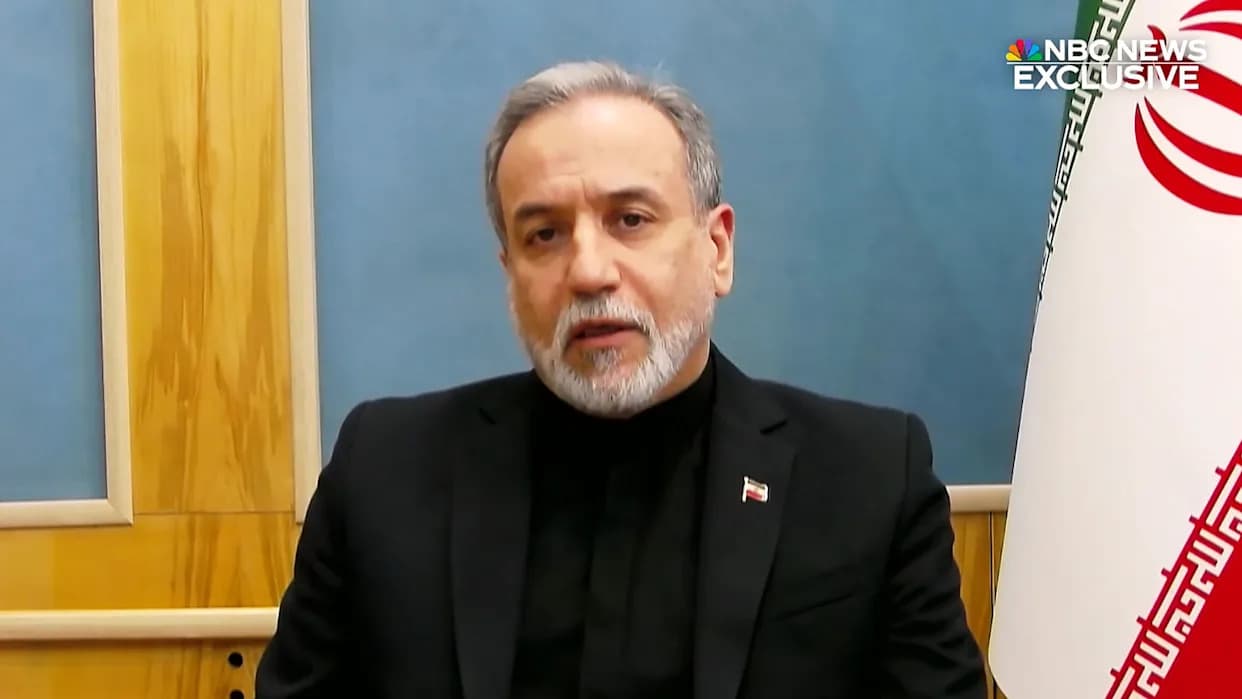
Iran's foreign minister denies seeking war with its neighbors
Since U.S. and Israeli strikes across Iran last weekend, Tehran has responded with missile and drone strikes across the region, with impacts reported in Bahrain, Qatar, the United Arab Emirates and other countries. Iranian Foreign Minister Abbas Araghchi told NBC Nightly News that Tehran has not decided to start a war against neighboring states and that its strikes were aimed at American military targets located on foreign soil.
Araghchi’s Defense: "We have not attacked our neighbors. We have not attacked Muslim countries," he said, adding that Iran targeted "American targets and American bases, American installations, which are unfortunately located in the soils of our neighbors." Araghchi said he has contacted the foreign ministers of affected states to explain they were not intended targets.
Civilian Hits and "Collateral Damage": NBC's Tom Llamas noted reports that some strikes struck civilian sites — residential neighborhoods in Bahrain, hotels in Dubai and Kuwait’s international airport — which Araghchi characterized as "collateral damage."
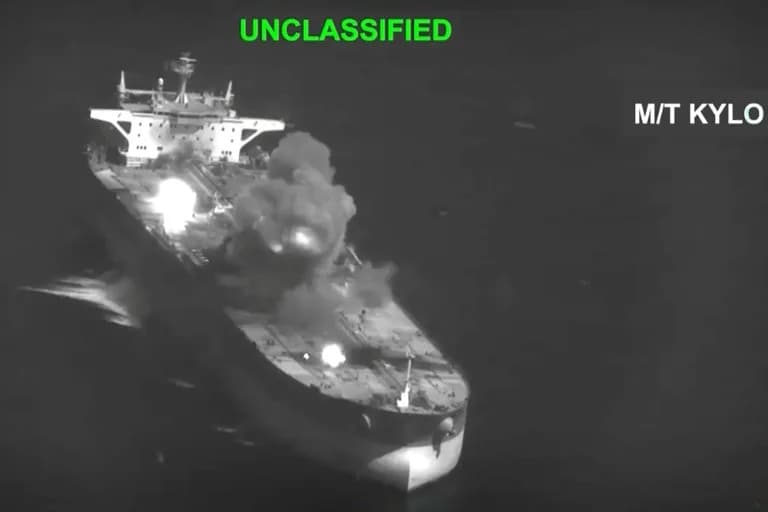
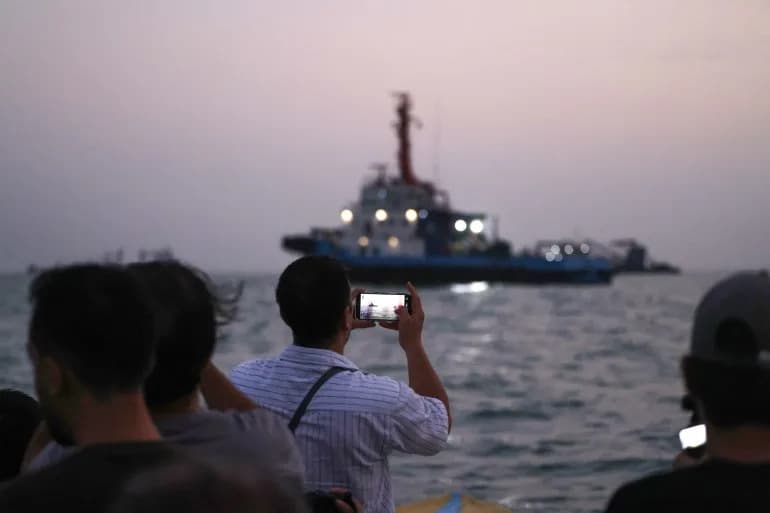
Strait Of Hormuz: For years, Iran has warned it could turn the Strait of Hormuz — a critical chokepoint through which roughly 20% of the world’s oil transits — into a free-fire zone if attacked. While a senior Revolutionary Guard commander declared the strait "closed" on state TV, Araghchi denied an official closure and said the strait remains open. He added that commercial vessels are avoiding the waterway out of fear and that Tehran would "consider every scenario" as the conflict evolves.
Naval Incident In The Indian Ocean: Defense Secretary Pete Hegseth said a U.S. submarine fired a torpedo and sank an Iranian military vessel in the Indian Ocean. Araghchi, posting on X, condemned the strike — which he said killed 87 sailors — as a "war crime," describing the vessel as unarmed and on a training mission. He provided no independent evidence to substantiate the claims in the interview.
Allied Support And Wider Risks: The widening conflict has raised questions about involvement from Iran’s partners. Araghchi said Russia and China were supporting Iran "politically, and otherwise," but declined to discuss whether that support included military assistance, saying he would not disclose details "in the middle of the war."
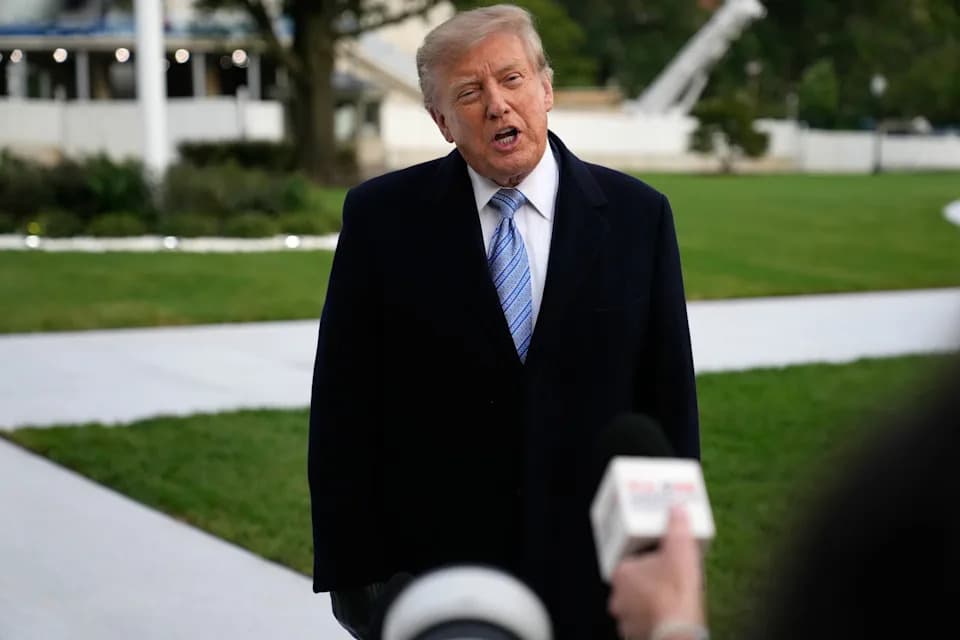
Domestic Context: The escalation comes after months of large domestic protests sparked in late December by economic hardship, including a collapsing rial and soaring inflation. Human rights groups say the security response was harsh; the U.S.-based Human Rights Activists News Agency estimated more than 7,000 protest deaths last week, while former President Donald Trump claimed a much larger figure.
On the protests, Araghchi said: "We were able to handle that. We were able to take care of that, and it was finished and over."
Message To The U.S.: Araghchi told Llamas that the U.S. plan for a "clean, rapid victory" had failed and warned Washington that Tehran would resist "as long as it takes."
Regional And Global Impact: The instability has pushed oil prices higher and contributed to a decline in U.S. stock markets. Shipping companies are rerouting or avoiding the Strait of Hormuz, and international concern is growing over the risk of a broader regional escalation.
Originally published on NBCNews.com; this version has been edited for clarity and readability.
Help us improve.