Summary: The White House says President Trump ordered strikes on Iran in part because he "had a good feeling" Tehran intended to attack U.S. assets, according to press secretary Karoline Leavitt. Officials cited a pattern of threats and Iran’s missile capabilities but have not released detailed supporting intelligence. Commentators and The New York Times warn that relying on gut instinct rather than formal National Security Council deliberations is risky when decisions could lead to war. The episode recalls past instances when Trump acted on hunches during the COVID-19 pandemic.
White House: Trump Said He Had a 'Feeling' Iran Would Strike — Critics Alarmed
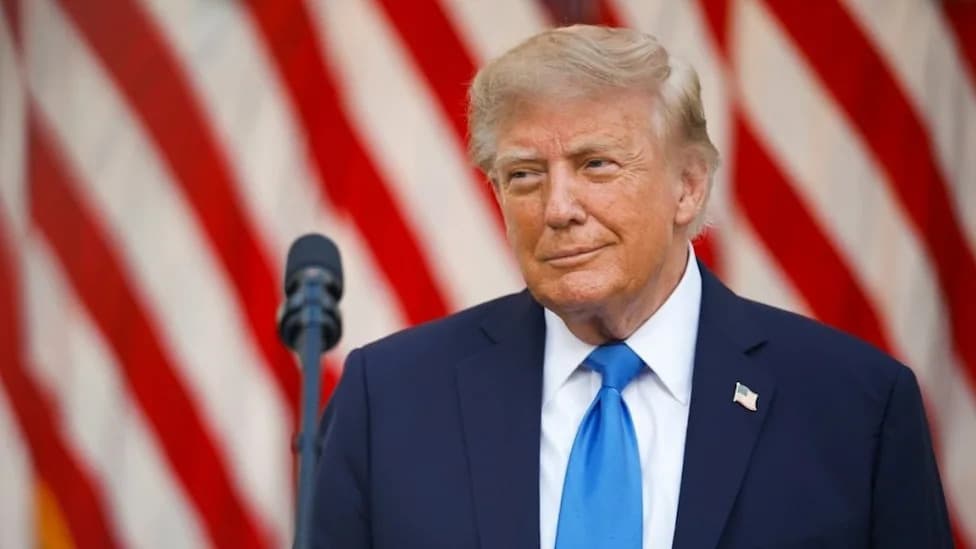
Exactly six years ago this week, as Americans were grappling with the growing severity of the COVID-19 pandemic, then-President Donald Trump publicly dismissed the World Health Organization’s early fatality estimates and described his view as "just my hunch." In later interviews he defended other choices as matters of instinct: "I feel good about it. That’s all it is. Just a feeling. You know, I’m a smart guy."
That pattern — relying on intuition rather than laying out detailed evidence — resurfaced this week following U.S. strikes against Iranian targets. The White House said the strikes were ordered in response to imminent threats, but officials have not released specific intelligence publicly.
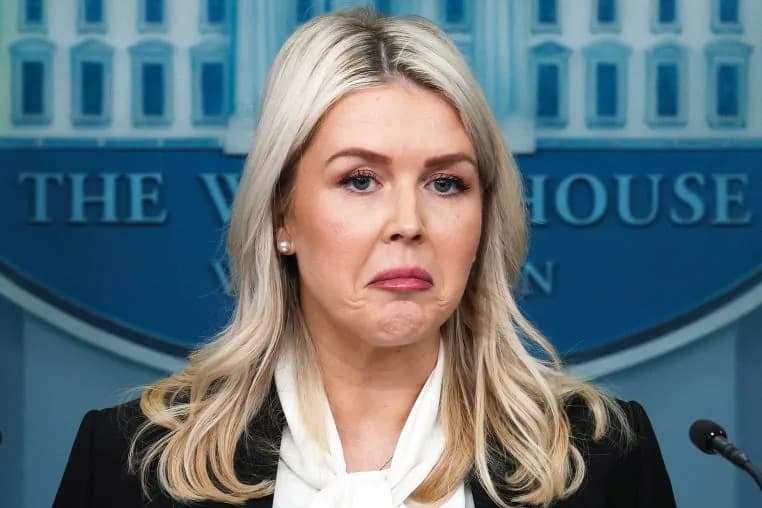
“The president had a good feeling that the Iranian regime was going to strike”, White House press secretary Karoline Leavitt told reporters, adding that the decision reflected "a cumulative effect of various direct threats" and the president’s judgment that Iran posed an imminent, indirect threat to U.S. assets and personnel.
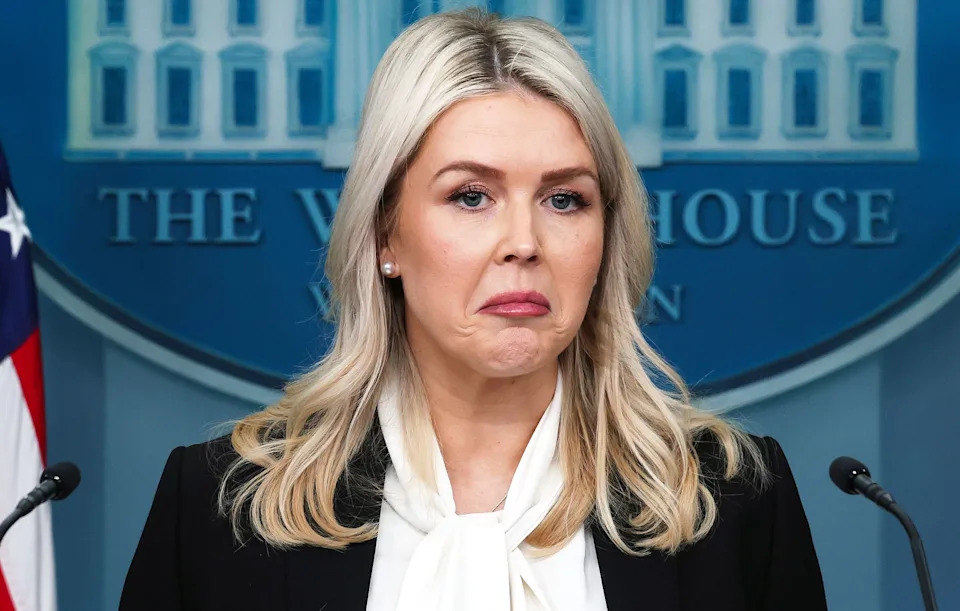
White House press secretary Karoline Leavitt during a news briefing on March 4, 2026, in the James S. Brady Press Briefing Room at the White House.(Win McNamee / Getty Images)
Leavitt’s remarks provided the most direct public link between the president’s personal judgment and the decision to authorize military action. The administration maintains the strikes — which began early Saturday — were necessary to protect U.S. forces and interests. Beyond references to Iran’s longstanding ballistic missile capabilities and a general account of threats, officials have not disclosed specific or detailed intelligence that the public can evaluate.
An analysis in The New York Times and other commentators warned that treating a president's "gut" as the decisive factor in ordering strikes raises worrying questions about the rigor of national-security decision-making. As The Times noted, a typical procedure would involve consultations with the National Security Council and other advisers before taking actions that could escalate toward war.
Critics say the episode echoes past moments during the COVID-19 pandemic when the president publicly relied on hunches rather than established evidence — a pattern they argue is particularly fraught when decisions involve potential loss of life and regional stability.
What remains unclear: the specific intelligence underpinning the claim of an imminent threat, the precise chain of consultations inside the White House before the strikes, and what steps U.S. officials are taking to prevent further escalation with Iran and its proxies.
Help us improve.