
The United States and Israel have launched a highly coordinated air campaign—Operation Roaring Lion—targeting Iran’s missile infrastructure. Israeli officials say the opening phase involved roughly 200 fighter jets, more than 1,600 sorties and 5,000 munitions against about 500 targets, destroying some missile launchers and disrupting missile production. Officials report allied integration at an unprecedented scale, significant casualties on all sides, and an expansion of strikes into Lebanon; independent verification of some claims remains limited.
The Future of War? US–Israel Air Blitz on Iran Reveals Next‑Gen Allied Combat
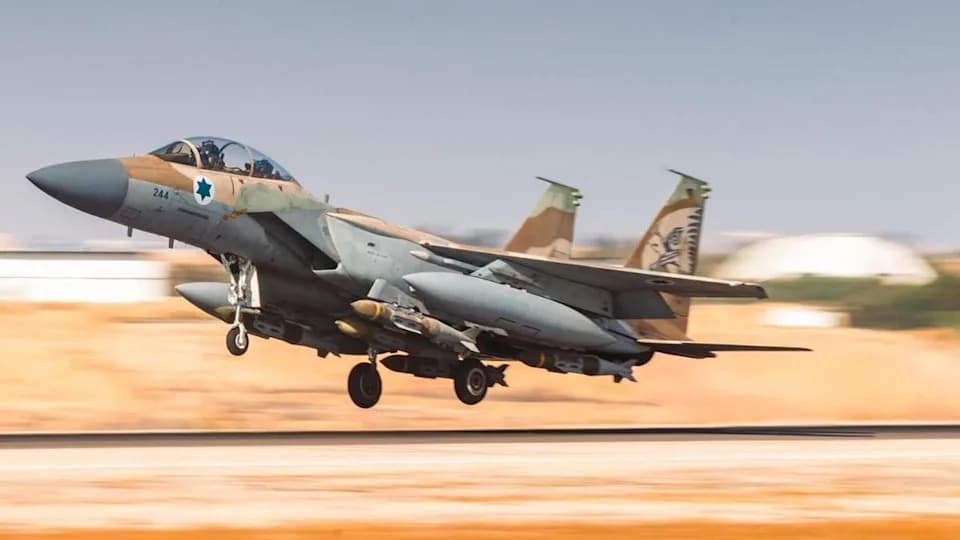
An Israeli fighter jet takes off to launch airstrikes against the Houthis in Yemen.(Fox News)
A large, tightly coordinated air campaign by the United States and Israel is systematically targeting Iran’s missile infrastructure in what officials and analysts describe as one of the most integrated allied operations seen in recent memory. The strikes, framed by participating militaries as crippling Iran’s long-range strike capabilities, have also driven the conflict beyond Iran’s borders into neighboring theaters.
Operation Roaring Lion: Opening Waves
The Israeli phase, dubbed Operation Roaring Lion, began with roughly 200 fighter jets in what the Israeli military called the largest coordinated air operation in the history of the Israeli Air Force. Israeli officials say that within the first 24 hours they established a corridor enabling sustained operations over Tehran and struck missile launch sites, air‑defense systems and command nodes across western and central Iran.
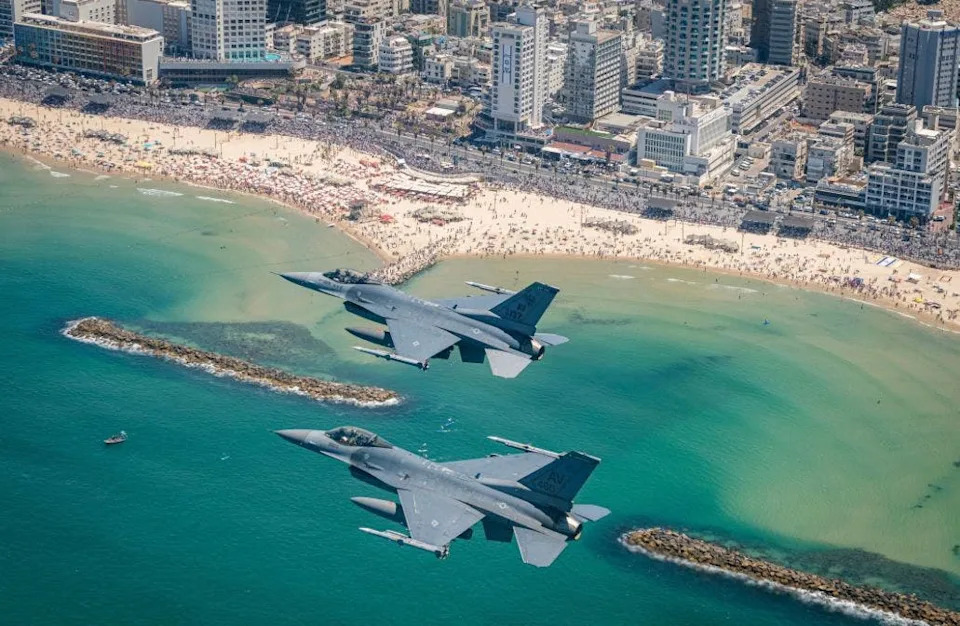
United States Air Force aircraft in a flyover to commemorate Israel’s 75th Independence Day in May 2023.
Claims and Scale
According to Israeli figures released during the campaign, aircraft flew more than 1,600 sorties and expended over 5,000 munitions on approximately 500 targets, including missile launchers, command centers and air‑defense batteries. The IDF stated that around 300 missile launchers were destroyed and that operations disrupted Iranian ballistic missile production.
Pete Hegseth (commentator) said: "Starting last night and to be completed in a few days … the two most powerful air forces in the world will have complete control of Iranian skies. Uncontested airspace."
Coordination and New Models of Allied Warfare
U.S.–Israeli planning and execution were described as highly integrated. Brig. Gen. Effie Defrin of the IDF said cooperation with U.S. forces involved "mutual planning and mutual executing for the plans in Iran and beyond." Analysts such as John Spencer of the Urban Warfare Institute characterized the campaign as a new model for allied operations: integrated, synchronized strikes rather than loosely coordinated multinational coalitions.
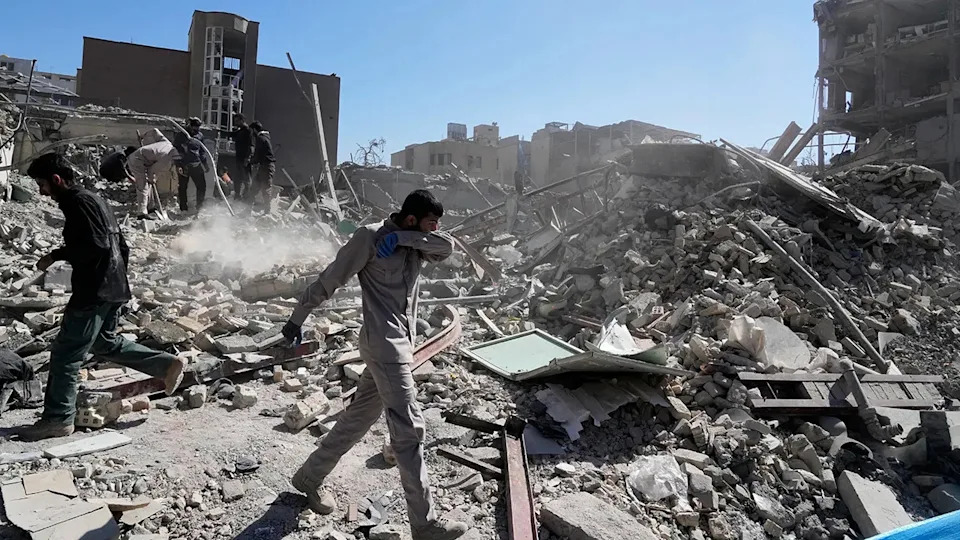
A group of men inspects the ruins of a police station struck Monday amid the U.S.–Israeli military campaign in Tehran, Iran, Tuesday, March 3, 2026.
Targeting, Intelligence and Controversial Claims
Israeli intelligence officials said the opening strikes used detailed intelligence from Israeli agencies and U.S. partners. Maj. Gen. Shlomi Binder, head of Israeli military intelligence, claimed the opening strike removed several high‑level regime and military figures. Such high‑profile claims are significant but remain difficult to independently verify; reporting on the conflict includes a mix of official statements and unconfirmed media accounts.
Human Cost and Regional Spread
Casualty reports vary by source. U.S. officials say six U.S. service members were killed and several others wounded during the operations. Israeli emergency services reported 13 civilian deaths and more than 1,000 injuries from Iranian missile and drone attacks in retaliation. The United Arab Emirates reported three deaths and dozens wounded. Precise casualty figures inside Iran remain difficult to corroborate.
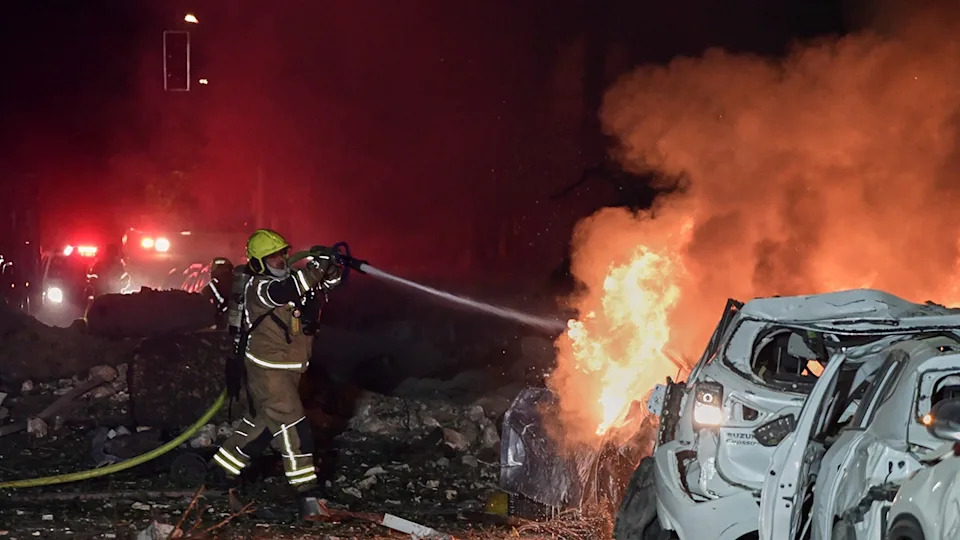
A firefighter attempts to extinguish a burning car at the site of a direct hit from an Iranian missile strike in Tel Aviv, Israel, Feb. 28, 2026.
The conflict has expanded beyond Iran: Israeli forces reported striking more than 160 Hezbollah targets in southern Lebanon, and Israel has mobilized roughly 110,000 reservists to sustain a multifront campaign. Officials described the Iranian missile program as an existential threat to Israel and a regional threat to U.S. forces and allies; Israeli assessments previously warned Iran could expand ballistic missile production substantially in coming years.
What This Could Mean
Analysts see the campaign as reflecting advances in intelligence, precision strike and allied integration. Observers warn, however, that rapid, high‑impact strikes risk escalation, collateral damage and long-term regional instability. Independent verification of many operational claims is limited, and the situation remains fluid.
Note: The article summarizes official statements and reported figures from participating militaries and media outlets. Some claims—particularly about high‑level casualties and the downing of a manned aircraft by an F‑35—are presented as reported by the IDF and other sources and have not been independently verified.
Help us improve.





















