Several European countries have announced defensive military deployments to protect Cyprus and Gulf partners amid rising tensions linked to the Israel–Iran confrontation. Britain, France, Greece, Italy, Portugal and Spain have repositioned ships, fighter jets and air-defence systems, with varying limits on US base use. Leaders emphasize restraint and proportionality even as militaries move to deter further attacks and protect civilians.
Europe Pledges 'Defensive' Military Aid To Cyprus And Gulf As Tensions Escalate
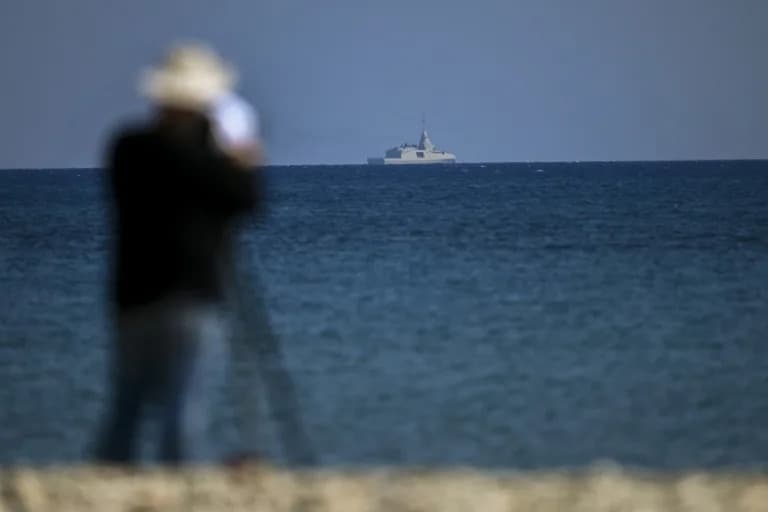
Greece has sent two frigates and four F-16 fighter jets to Cyprus (Jewel SAMAD)(Jewel SAMAD/AFP/AFP)
Wary of being drawn directly into the US–Israel–Iran confrontation, several European countries have pledged military assistance to Cyprus and partners in the Gulf while stressing their actions are strictly defensive. Governments are repositioning ships, jets and air-defence systems across the eastern Mediterranean and the Gulf as regional tensions widen after attacks on Cyprus and Western allies.
Overview
Although most leaders emphasize restraint, a number of EU states have announced deployments or offered facilities to the United States under limited conditions. Britain, France, Greece, Italy, Portugal and Spain have all taken steps to protect Cyprus and regional partners; some have permitted conditional US use of bases while others have refused or said no request was received.
Britain
An unmanned Iranian-made drone struck the runway at the Royal Air Force base in Akrotiri, Cyprus. Other drones, reportedly launched by Iran-backed groups, were intercepted. London is dispatching the destroyer HMS Dragon, equipped with the Sea Viper missile system, and deploying Wildcat helicopters armed with Martlet missiles intended for counter-drone roles. Prime Minister Keir Starmer initially declined a role in the widening conflict but later approved US requests to use two British bases for a "specific and limited defensive purpose." His initial stance drew public criticism from US President Donald Trump.
France
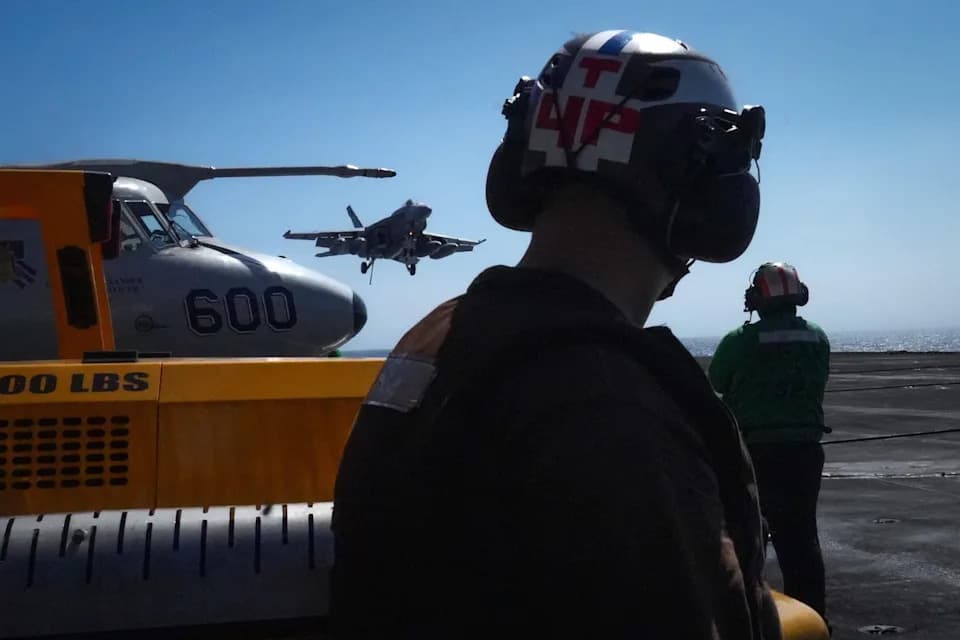
France is sending its flagship aircraft carrier, the Charles de Gaulle, to the eastern Mediterranean with roughly 20 Rafale fighters and two Hawkeye airborne early-warning aircraft aboard. President Emmanuel Macron has also announced additional air-defence assets and airborne radar capabilities for Cyprus. The frigate Languedoc, already operating in the area, previously used Aster missiles to intercept drones targeting shipping in the Red Sea.
Greece
Greece has sent two frigates and four F-16 fighter jets to Cyprus and has authorized limited US use of the Souda Bay naval base in Crete.
Italy
Rome said it will send naval assets to Cyprus in the coming days alongside partners including France, the Netherlands and Spain. Italy has offered air-defence, anti-drone and anti-missile systems to Gulf partners; media reports suggest contributions could include the SAMP/T air-defence system. Officials say Italy has not received US requests to use Italian bases and that such a step would likely require parliamentary approval.
Portugal
Portugal has authorized conditional US use of the Lajes base in the Azores. Prime Minister Luís Montenegro said permission was granted on the understanding that operations would be "defensive or retaliatory in nature, necessary and proportionate, and that they target exclusively military objectives."
Spain
Spain has ruled out allowing US access to its bases and has publicly opposed joining the fighting. Despite tensions with the US, Madrid will send its most advanced frigate, the Cristóbal Colón, to help protect Cyprus and to support civilian evacuations if needed.
Leaders' Message: Most European governments insist their actions are limited, proportionate and defensive — aimed at protecting territory, partners and civilians rather than escalating the conflict.
Why it matters: These deployments demonstrate how the Israel–Iran escalation is pulling regional and NATO-aligned countries into complex security calculations. Even limited support and base access can have strategic and political consequences, testing alliances and domestic politics across Europe.
Help us improve.