In his first English-language interview since the conflict began, IDF spokesperson Brig. Gen. Effie Defrin said an operation against Iranian targets followed months of "strategic and operational deception," including routine public behavior designed to mislead satellite surveillance. He described the strike as coordinated with the U.S., framed Iran as a global threat and dismissed some casualty figures as premature. Defrin said Israel aims to weaken Iran militarily but stopped short of declaring regime change as an official military goal.
IDF Spokesperson: Iran Operation Followed Months Of 'Strategic And Operational Deception' — Says Strike Was Coordinated With U.S.
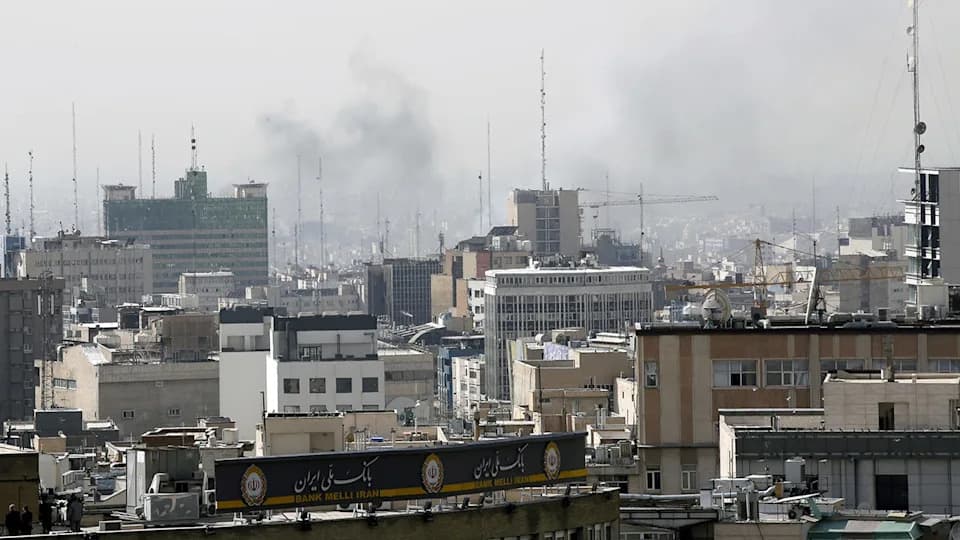
Bombing occurs in Tehran, Iran on Feb. 28, 2026.(Getty Images)
In his first English-language interview since the conflict began, Israel Defense Forces (IDF) spokesperson Brig. Gen. Effie Defrin described a major strategic shift in Israel’s regional posture and detailed the operational secrecy that preceded a high-profile strike on Iranian targets.
Defrin said the 2020 Abraham Accords and deeper cooperation with the United States and neighboring states have transformed how Israel views its role in the region. "Israel was never part of this region. We thought we were part of Europe," he said, adding that the Accords built on earlier peace treaties with Egypt and Jordan and have enabled both overt and covert military cooperation.
Months of Deception, Defrin Says
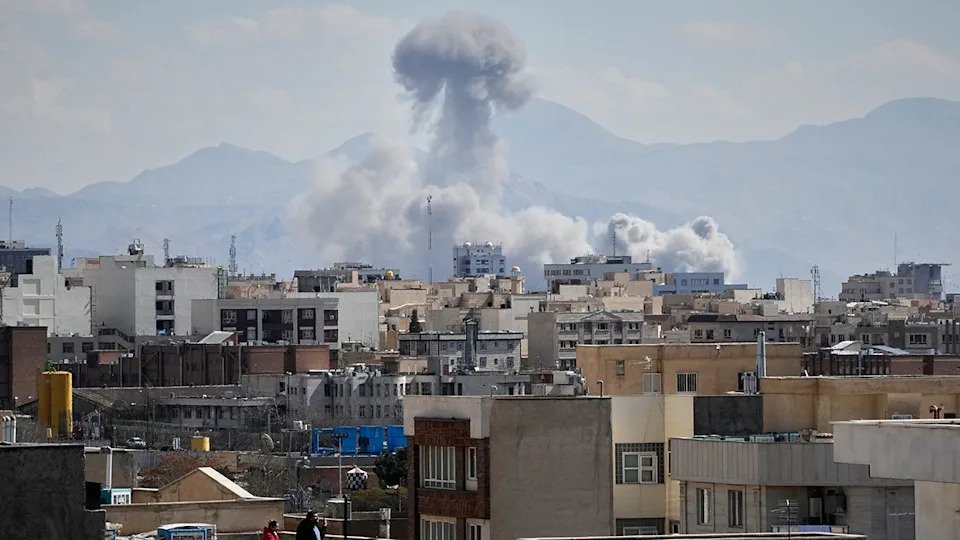
People watch from a rooftop as a plume of smoke rises after a strike in Tehran, Iran, Sunday, March 1, 2026.
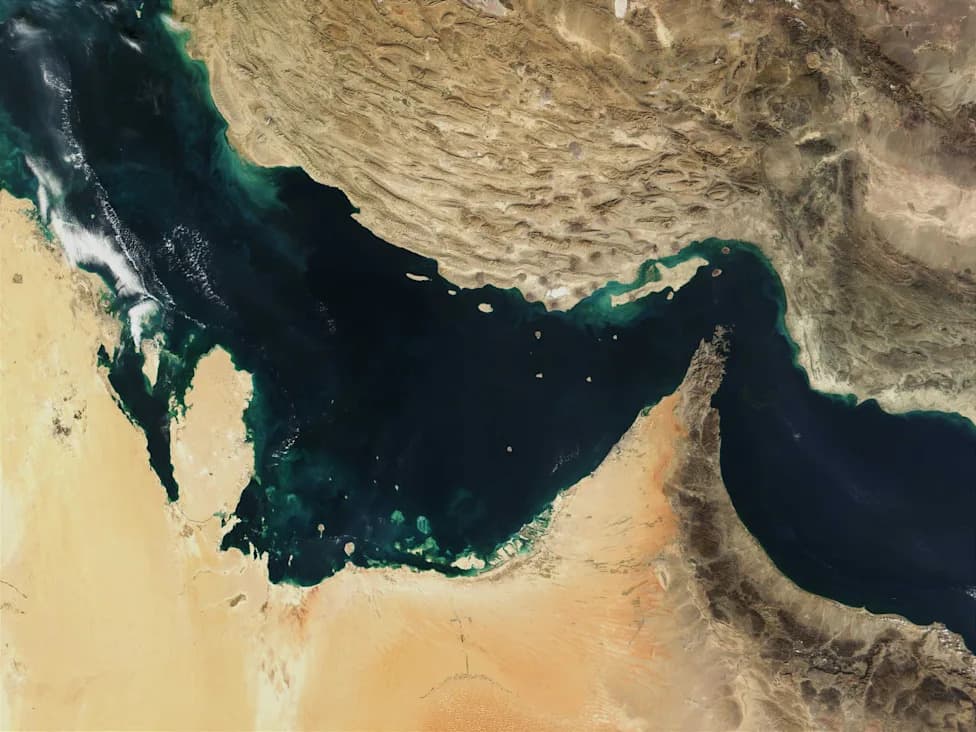
The spokesperson told reporters the operation was preceded by "strategic and operational deception" intended to conceal preparations. He described deliberate routine appearances by senior officials—returning in unmarked cars and keeping official vehicles at home—so satellite surveillance would not reveal activity at the Kirya (ministry of defense) while aircraft were armed and ready.
"Friday night we went to dinner at home. The chief of staff and I returned late in cars that were not our official vehicles... we made sure that from satellite imagery it would not look like the Kirya was full while all the planes were armed and ready," Defrin said.
According to Defrin, those measures helped catch Iranian forces off guard; he said Iran responded only with pre-planned strikes.
Coordination With the U.S., Casualty Claims, and Targets
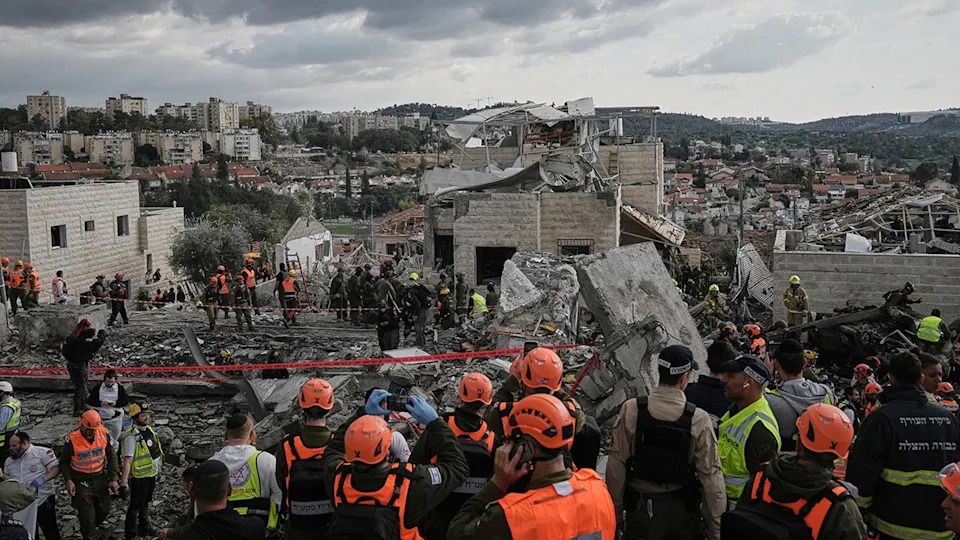
Rescue workers and military personnel operate at the scene where several people were killed by an Iranian missile strike in Beit Shemesh, Israel Sunday, March 1, 2026.
Defrin told the interviewer the strike that reportedly killed Iran’s Supreme Leader, Ali Khamenei, was carried out in coordination with the Trump administration, calling it "a mutual operation." He emphasized strong U.S.-Israeli military planning and execution for operations "in Iran and beyond," as described in the interview.
He dismissed some media casualty tallies as premature — including reports that dozens of senior Iranian figures or 88 members of Iran’s Assembly of Experts were killed — saying the IDF had struck "a few targets involved in terrorism" and that a formal battle damage assessment had not yet been completed. He reiterated that the IDF's stated targets were military in nature.
Framing Iran As A Global Threat
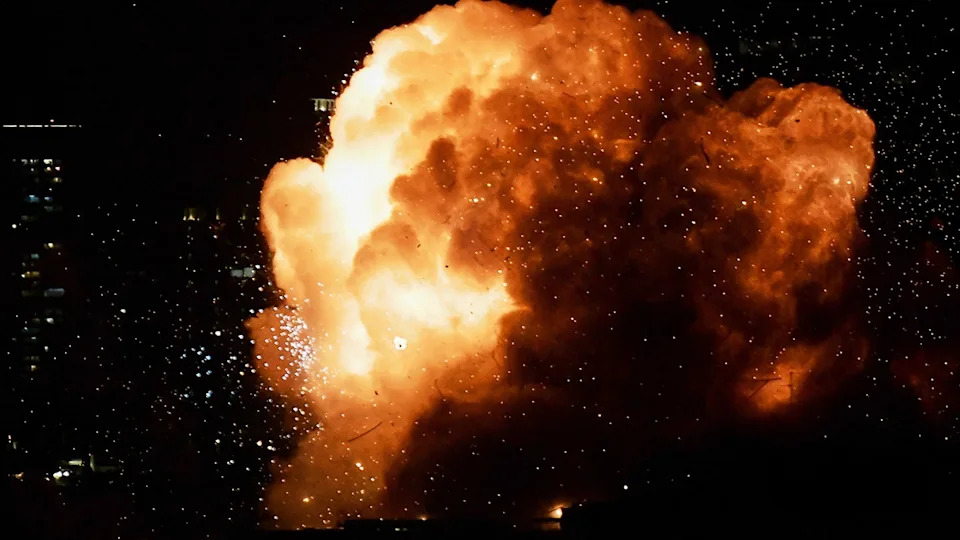
An explosion is seen as an Iranian missile directly hits a building in Tel Aviv, Israel, Saturday, Feb. 28, 2026.
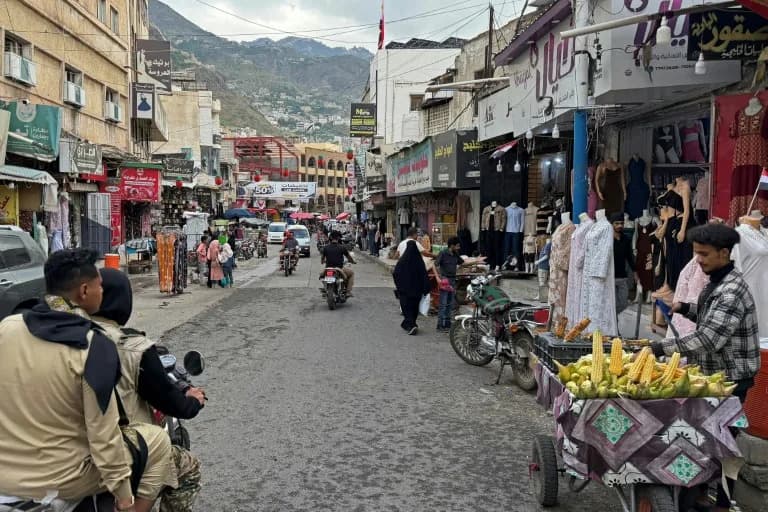
Defrin framed Iran as a global and regional threat, pointing to attacks by Iranian-backed groups that have killed American service members and disrupted shipping lanes. He cited, as an example, comments that movement through the Suez Canal had fallen by 90% after Houthi fire in the Bab al-Mandab Strait, describing those disruptions as part of a wider pattern of Iranian-backed activity.
He also characterized Hezbollah as one node in a broader network based in Iran, using the metaphor, "Hezbollah is an octopus. The head of the octopus is in Iran."
Goals And Limits
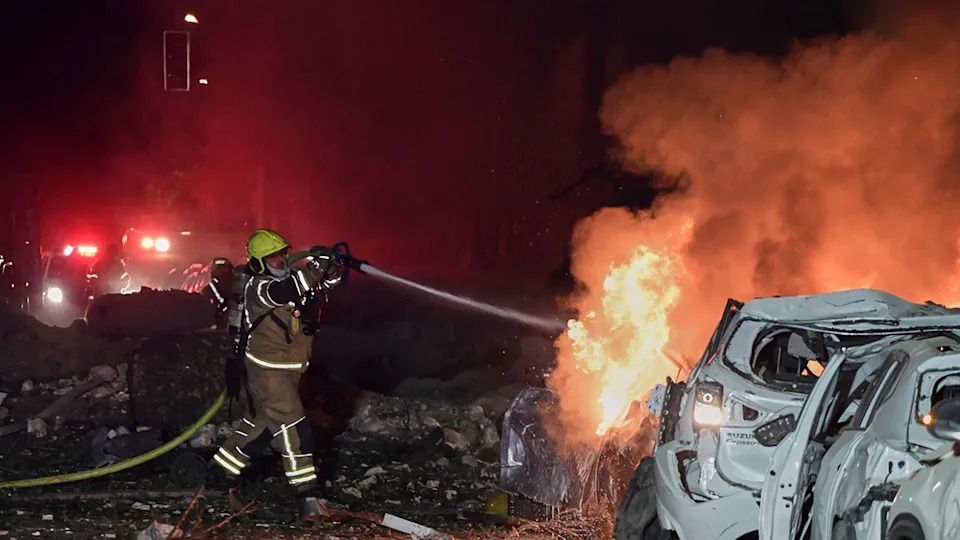
A firefighter attempts to extinguish a burning car at the site of a direct hit from an Iranian missile strike in Tel Aviv, Israel, Saturday, Feb. 28, 2026.
When asked whether regime change was an official objective, Defrin drew a distinction between military aims and political outcomes. "As a member of the military, I cannot say we have an aim to remove the regime," he said, adding that Israel seeks to weaken Iran and create conditions that might enable Iranians themselves to effect political change in the future.
Note On Verification
Many of the claims in the interview reflect the IDF spokesperson’s account and remain subject to independent verification. Defrin said the IDF would publish battle damage assessments when available.
Help us improve.