Israeli and U.S. forces launched renewed strikes across Iran on Tuesday, drawing swift Iranian counterattacks around the Gulf and expanding the fighting into Lebanon. The escalation rattled global markets and sent oil prices sharply higher.
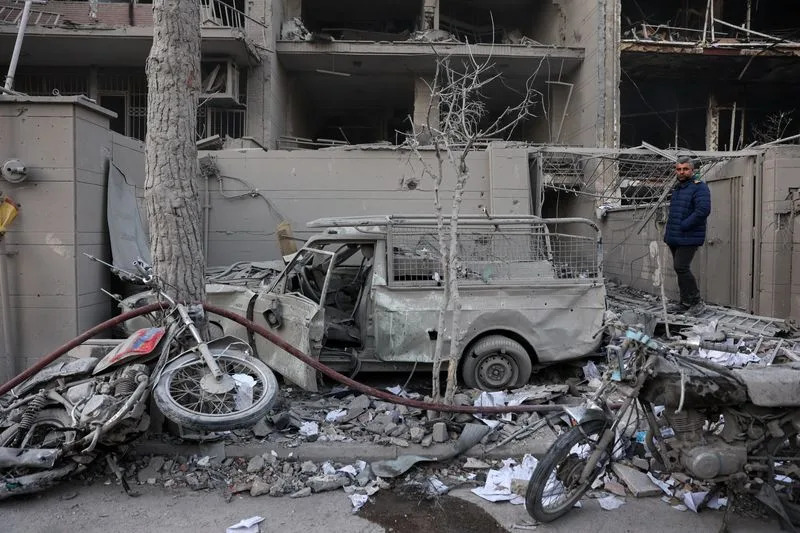
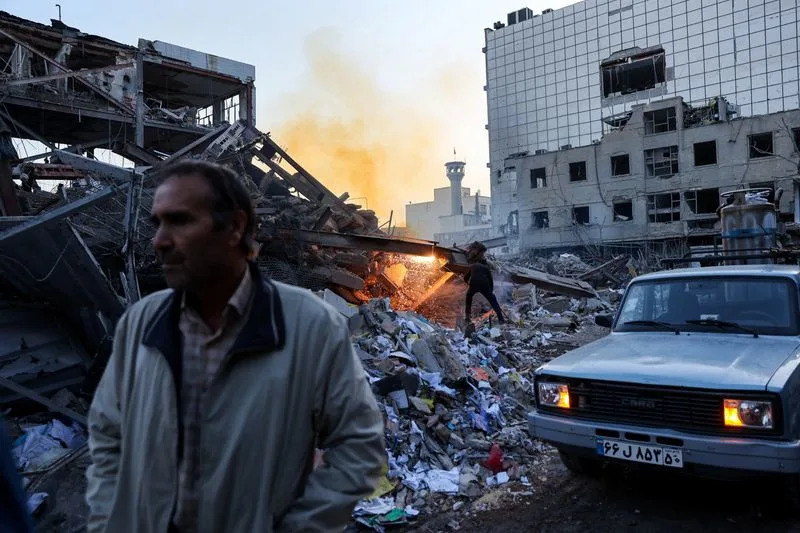
Debris lies on a street in the aftermath of an Israeli and the U.S. strike on a police station, amid the U.S.-Israel conflict with Iran, in Tehran, Iran, March 2, 2026. Majid Asgaripour/WANA (West Asia News Agency) via REUTERS
Heavy Strikes and Reports of Leadership Losses
Four days into the conflict, U.S. President Donald Trump told reporters that U.S. forces had struck numerous Iranian naval and air targets, saying "just about everything has been knocked out." Trump said he ordered the action after he "had a feeling" Iran might attack following stalled negotiations over its nuclear programme.
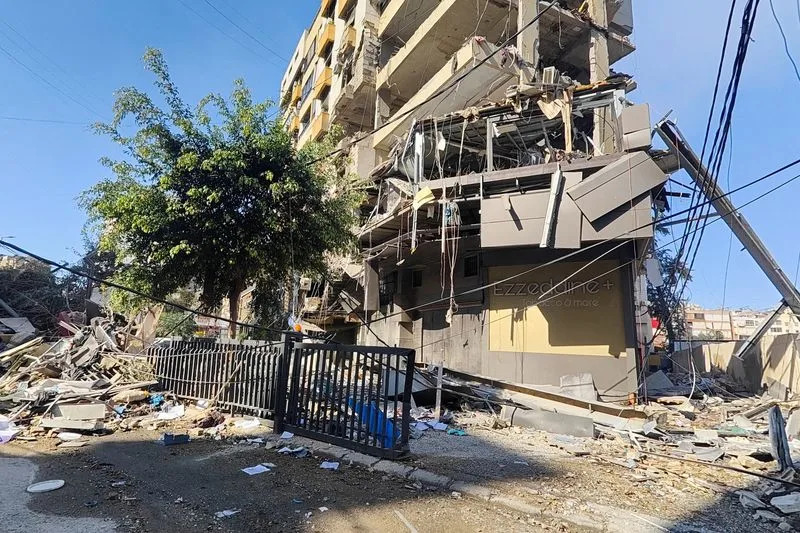
Debris at the site of an Israeli strike on a branch of 'Al-Qard al-Hassan', a financial institution linked to Lebanon's Hezbollah in Beirut's southern suburbs, following an escalation between Hezbollah and Israel amid the U.S.-Israeli conflict with Iran, Lebanon, March 3, 2026. Picture taken with a mobile phone. REUTERS/Stringer
Reuters cited a source saying Israel's campaign was planned to last about two weeks but was progressing faster than expected, with early reports of high-level Iranian casualties, including the reported death of Supreme Leader Ayatollah Ali Khamenei in initial strikes. U.S. and Israeli statements about leadership losses remain based on early battlefield accounts and have not been independently verified.
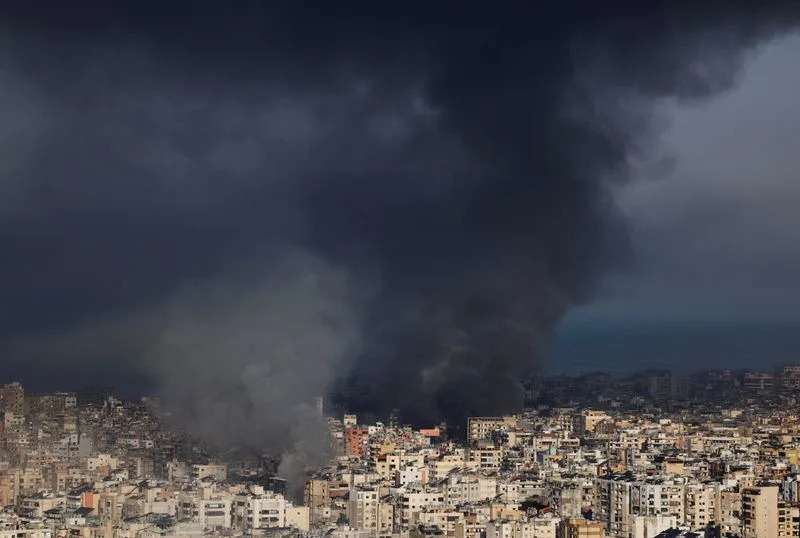
Smoke rises after an Israeli strike on Beirut's southern suburbs, following an escalation between Hezbollah and Israel amid the U.S.-Israeli conflict with Iran, Lebanon, March 3, 2026. REUTERS/Khalil Ashawi
Attacks on Civilian and Strategic Sites
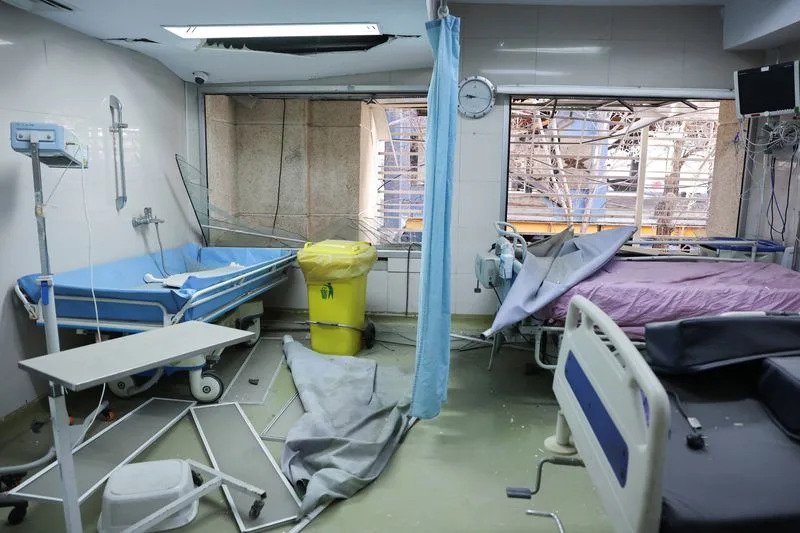
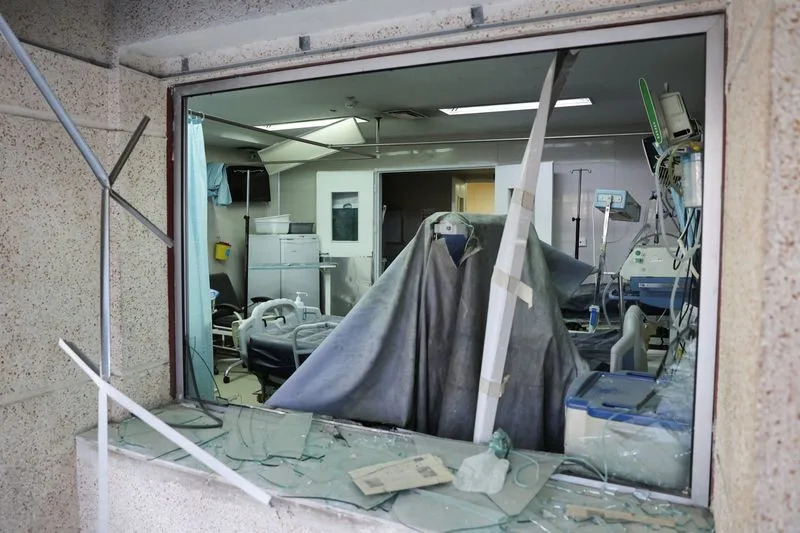
Tehran was repeatedly rocked by explosions as strikes hit the IRIB state broadcaster headquarters and areas around Mehrabad airport. In Qom, state agencies reported that the building housing the Assembly of Experts — the body that selects a successor to the supreme leader — was flattened in an air attack. Iran said hospitals and other civilian sites had been struck, prompting fear and mass displacement.
A view of debris following an Israeli and U.S. strike on Motahari Hospital, amid the U.S.-Israel conflict with Iran, in Tehran, Iran, March 3, 2026. Majid Asgaripour/WANA (West Asia News Agency) via REUTERS
"How long will this continue? Where are the shelters? Where is the government?" asked Bijan, 32, a bank employee, by phone from Tehran. "Every night my wife and I hide in the basement. The whole city is empty. There is smoke and blood everywhere."
Regional Retaliation and Diplomatic Fallout
Iran responded with drones and missiles, including strikes on U.S. embassy compounds in Saudi Arabia and earlier damage to the embassy in Kuwait. Washington has closed both embassies and its mission in Lebanon and ordered non-emergency government personnel and their families to leave much of the region.
A view of destroyed window blinds and debris following an Israeli and U.S. strike on Motahhari Hospital, amid the U.S.-Israel conflict with Iran, in Tehran, Iran, March 3, 2026. Majid Asgaripour/WANA (West Asia News Agency) via REUTERS
Iran also reported strikes on neighbouring states hosting U.S. bases and moves to disrupt shipping through the Strait of Hormuz, a vital route for about a fifth of the world's oil and LNG shipments. Qatar temporarily halted LNG production, and many tankers anchored in the Gulf rather than transit the strait.
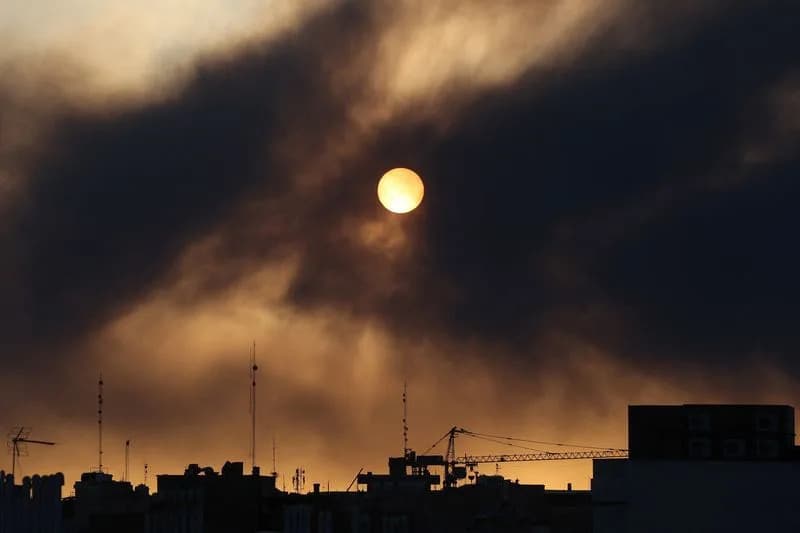
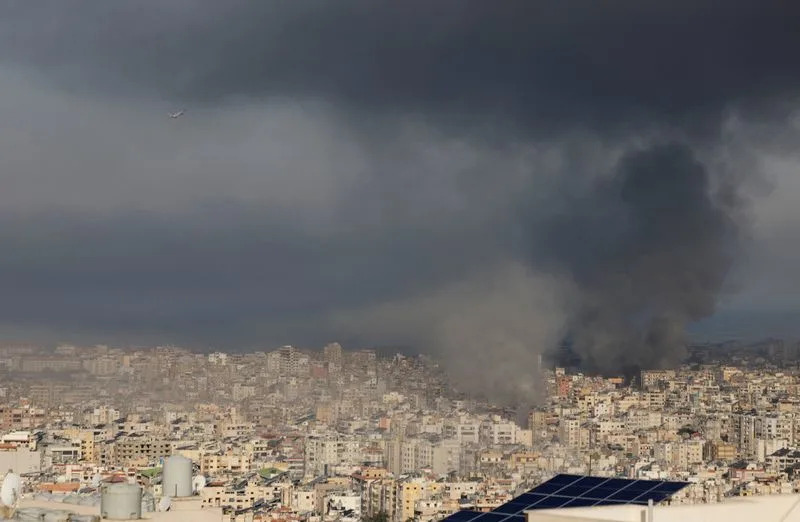
An aircraft maneuvers in the sky as smoke rises after an Israeli strike on Beirut's southern suburbs, following an escalation between Hezbollah and Israel amid the U.S.-Israeli conflict with Iran, Lebanon, March 3, 2026. REUTERS/Khalil Ashawi
Fighting Spreads to Lebanon
The conflict spread to Lebanon as Hezbollah fired on Israel and Israeli forces responded with air strikes and reinforced southern positions. Thick black smoke was reported over parts of Beirut amid explosions, and authorities reported dozens of fatalities in Lebanon.
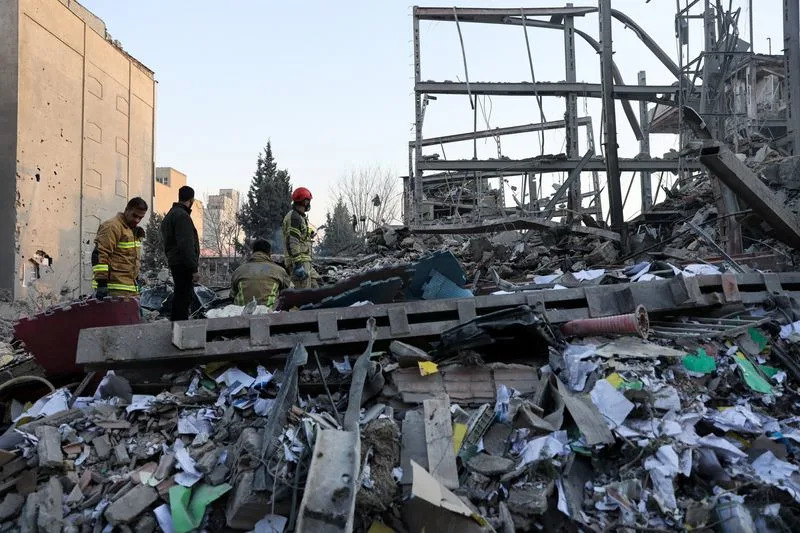
Firefighters work following an Israeli and U.S. strike on a police station, amid the U.S.-Israel conflict with Iran, in Tehran, Iran, March 2, 2026. Majid Asgaripour/WANA (West Asia News Agency) via REUTERS
Human Cost and Calls for Investigation
Iran cited the Red Crescent in reporting a death toll of 787 from the attacks. State media showed large public funerals in the southern city of Minab after the bombing of a girls' school, which officials and the U.N. human rights office described as a grave incident. The U.N. called for an investigation.
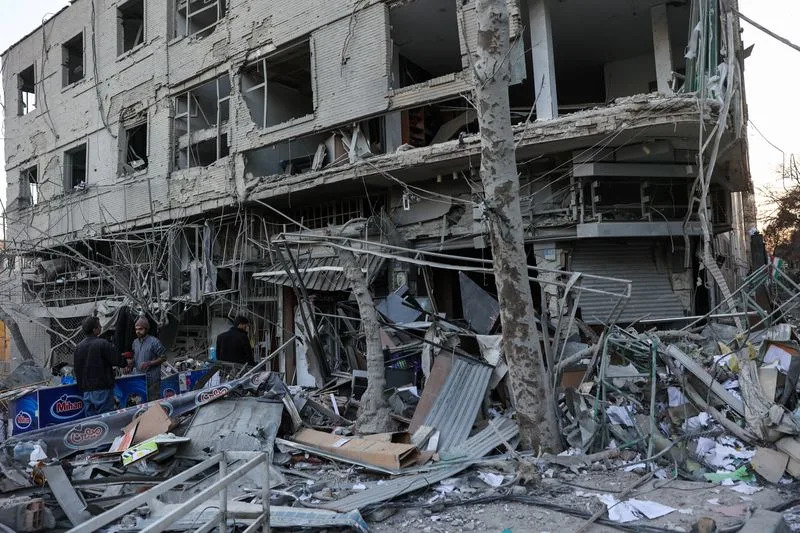
A man stands next to damaged vehicles in the aftermath of an Israeli and the U.S. strike on a police station, amid the U.S.-Israel conflict with Iran, in Tehran, Iran, March 2, 2026. Majid Asgaripour/WANA (West Asia News Agency) via REUTERS
Markets and Energy
Global markets reacted sharply. Crude oil jumped nearly 8% on Tuesday to trade above $83 a barrel — the highest since July 2024 — and had gained more than 15% since the previous Friday. European wholesale natural gas prices surged about 40%. The cost of hiring a tanker from the Middle East to Asia climbed to an unprecedented level well over $400,000 a day.
Aftermath of an Israeli and the U.S. strike on a police station, amid the U.S.-Israel conflict with Iran, in Tehran, Iran, March 2, 2026. Majid Asgaripour/WANA (West Asia News Agency) via REUTERS
By 17:30 GMT, Wall Street indexes were down nearly 2% while European stocks had fallen more than 3% and MSCI's Asia Pacific index closed down roughly 3.5%.
Objectives and Outlook
Israeli officials have said their aim is to remove Iran's government, while U.S. officials framed their mission as degrading Tehran's ability to project force beyond its borders. President Trump urged Iranians to consider toppling the clerical leadership but cautioned protesters about the dangers on the ground. Israeli military spokespeople said a ground invasion of Iran was unlikely and that the campaign's length could depend on battlefield developments.
The situation remains fluid, with casualty figures and strategic claims still being verified. Humanitarian concerns are mounting as civilians seek shelter, medical treatment is disrupted, and regional energy supplies remain at risk.