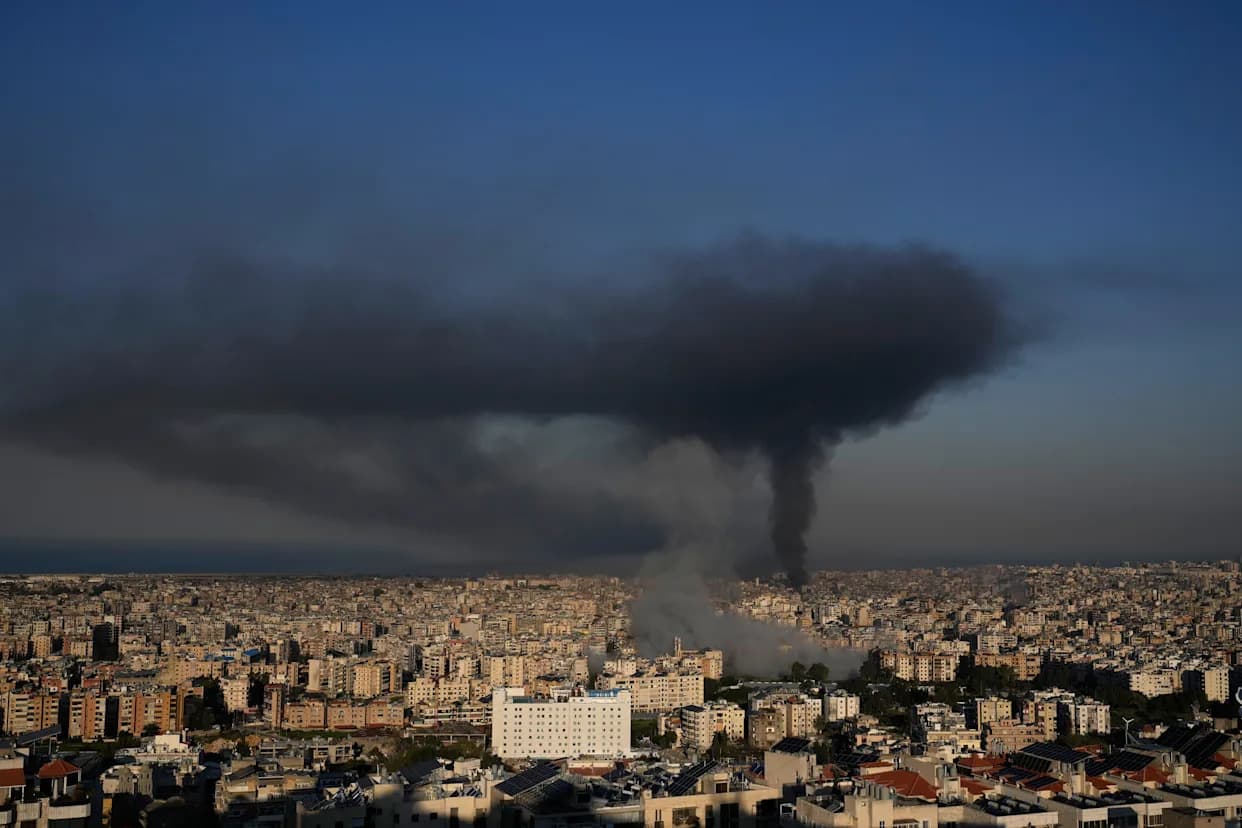
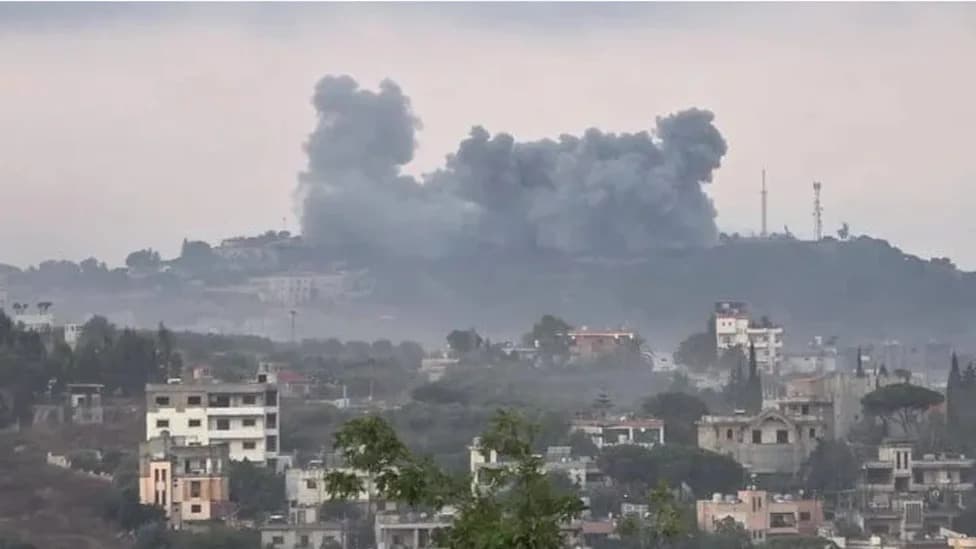
Israel carried out air strikes on Beirut for a second consecutive day as Hezbollah said it launched a pre-dawn drone attack on Ramat David airbase in northern Israel, expanding a new front in a wider regional confrontation that followed United States–Israel strikes on Iran.
Recent Strikes and Military Moves
On Tuesday, Israeli raids struck Haret Hreik in the southern Dahiyeh suburbs and hit other outskirts of Beirut. The Israeli military said its forces "are operating in southern Lebanon" and described the strikes as a "forward defence" along the border.
"We have positioned soldiers on the border area in additional points to defend our civilians, to prevent Hezbollah from attacking them," said military spokesman Lieutenant Colonel Nadav Shoshani. "This is not a ground operation. This is a tactical measure… to ensure the safety of our people."
The military also issued forced-displacement notices covering approximately 59 areas inside Lebanon, including several neighbourhoods in Dahiyeh, a district with a large Shia population that is often viewed as a Hezbollah support base. In a Telegram post the Israeli military said it was targeting "Hezbollah command centres and weapons storage facilities in Beirut."
Hezbollah Response and Regional Context
Hezbollah said it deployed "a swarm of drones" at dawn to strike radar sites and control rooms at Ramat David airbase, describing the raid as retaliation for Israeli strikes inside Lebanon. The exchange follows renewed hostilities after near‑daily violations of a previous ceasefire and U.S.–Israeli strikes on Iran that have widened regional tensions.
Civilian Impact
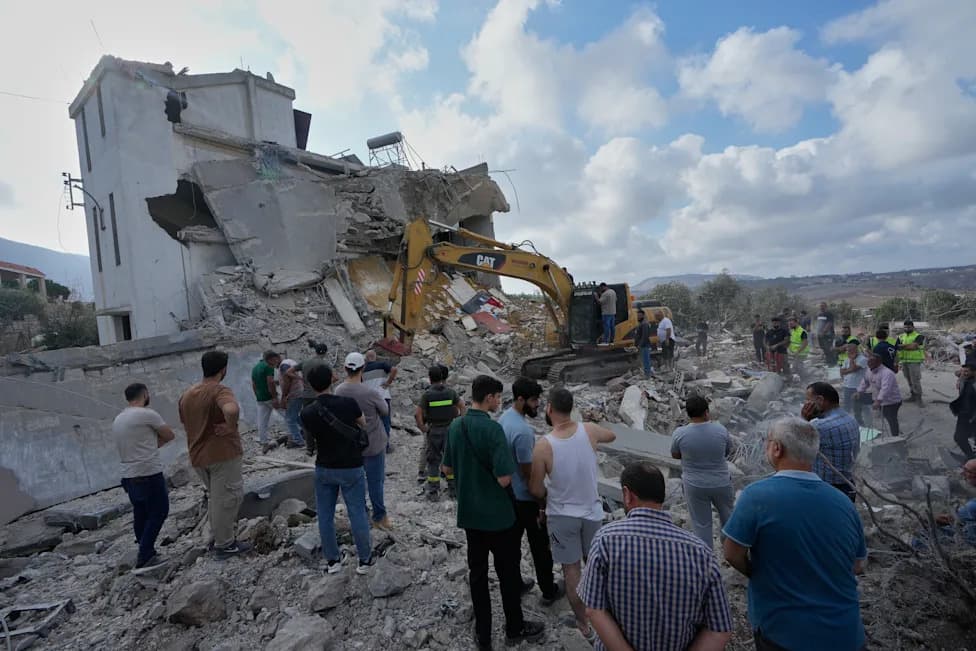
Civilians across Lebanon have borne the brunt of the fighting. State media reported that on Monday Israeli air raids on Beirut’s suburbs and southern Lebanon killed at least 52 people and wounded 154. The bombardment has triggered further waves of displacement: Al Jazeera’s Heidi Pett, reporting from Beirut, described "a wave of displacement," saying residents began leaving "from the second these strikes began." She noted many schools were closed to shelter the displaced.
Political Fallout
The Lebanese government declared Hezbollah’s "military activities," which it says are conducted independently of the state, illegal and urged security forces to prevent attacks originating from Lebanese territory. Hezbollah dismissed the ban as unjustified, accusing the government of weakness in the face of what it called a "brutal Zionist enemy" and saying the authorities could not justify measures that target Lebanese who oppose occupation.
Context: The exchanges mark a dangerous escalation in a volatile region and underscore the humanitarian toll on Lebanese civilians amid shifting fronts and retaliatory strikes.