
Gafcon leaders met in Abuja for a four-day conference to consider a proposal from Archbishop Laurent Mbanda that could reorder — or, critics fear, split — the Anglican Communion. The plan would create a council-led Global Anglican Communion and reduce Canterbury’s historic central role. The historic Anglican Communion has proposed its own decentralization to share leadership with Global South primates; both initiatives reflect widening theological and cultural divides.
Conservative Anglican Leaders Meet in Abuja as Gafcon Weighs Historic Reordering of the Communion
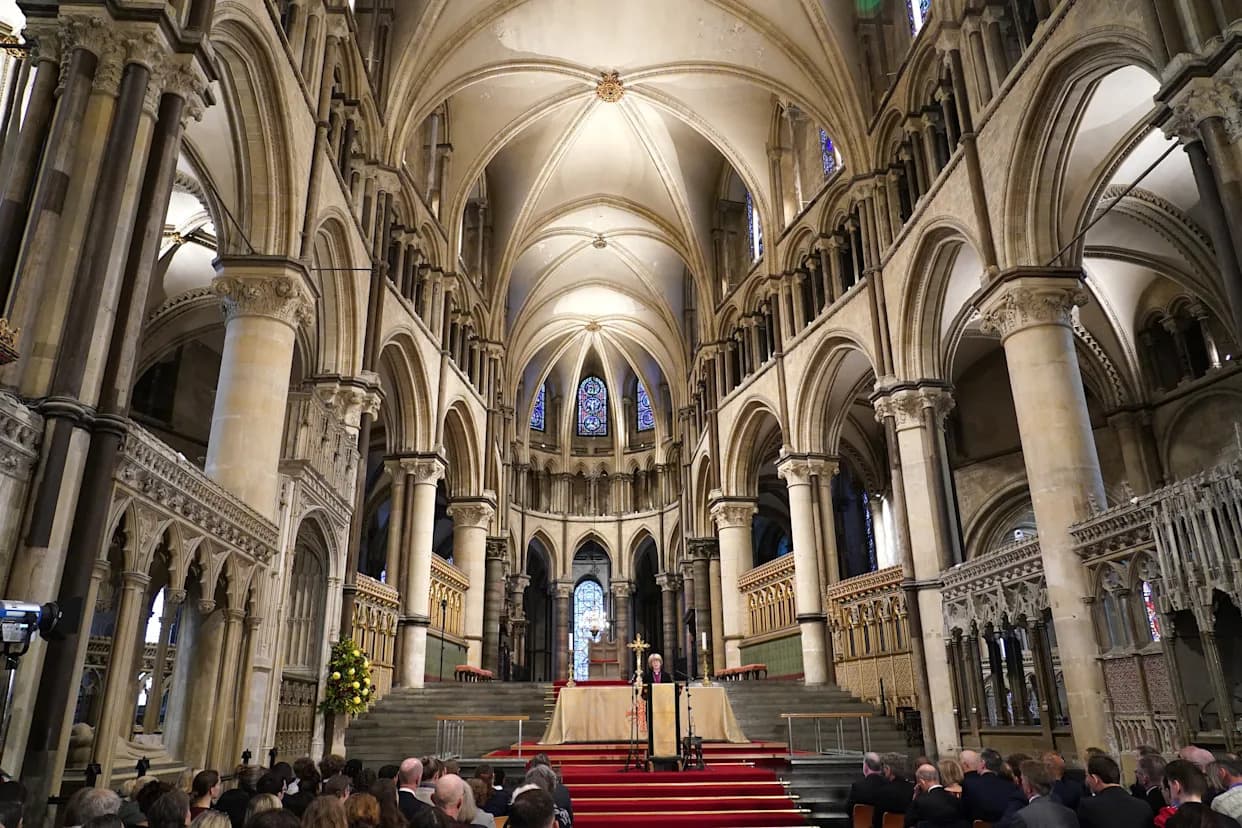
FILE - Sarah Mullally, the new Archbishop of Canterbury, spiritual leader of the world's 85 million Anglicans, speaks inside Canterbury Cathedral in Canterbury, England, Oct. 3, 2025. (AP Photo/Alberto Pezzali, File)(ASSOCIATED PRESS)
Conservative Anglican leaders from across the Global South convened in Abuja, Nigeria, for a four-day Gafcon conference to consider a proposal that could significantly reorder — or, critics fear, formally split — the Anglican Communion.
Background
The Global Fellowship of Confessing Anglicans (Gafcon) is a coalition of conservative provinces and church leaders that has long opposed liberalizing trends in parts of Europe and North America, especially same-sex marriage and the ordination of openly LGBTQ+ clergy. While many Gafcon members retain formal ties to the historic, London-based Anglican Communion, tensions over theology and practice have deepened for decades and have prompted some national churches to limit or suspend participation in traditional Communion structures.
The Mbanda Proposal
Archbishop Laurent Mbanda of Rwanda, who chairs Gafcon, circulated a blueprint last year declaring that “the Anglican Communion will be reordered.” His plan envisions a reformed Global Anglican Communion governed by an elected council of chairs irrespective of national origin — a model that would reduce the symbolic centrality historically held by the archbishop of Canterbury, who has long been considered “first among equals.”
“There is much to iron out, much to discern, much to structure carefully and faithfully,” said Bishop Paul Donison, Gafcon’s general secretary, urging delegates to deliberate the proposal thoughtfully.
Historic Communion’s Response
Separately, the historic Anglican Communion has proposed a revised decentralization plan designed to make leadership less Canterbury-centric and more representative of a Communion whose majority now lives in the Global South. The plan would redistribute several leadership responsibilities from the archbishop of Canterbury to a wider group of primates and is scheduled for review this summer by the Anglican Consultative Council.
Bishop Graham Tomlin, who chairs the commission behind the proposal, said the reforms aim to prolong cooperation across provinces while acknowledging deep disagreements: “The history of the church tells us that when we do make radical breaks from one another, it’s very hard to mend those walls.”
Context And Stakes
The timing of the Gafcon meeting follows the installation of Archbishop Sarah Mullally as the first woman to hold the office of archbishop of Canterbury. Some conservative leaders objected to her appointment on gender grounds, but their principal disagreements center on LGBTQ+ issues. Mullally has upheld the Church of England’s definition of marriage as between a man and a woman while supporting a process for blessings of same-sex couples and acknowledging past harm to LGBTQ+ people.
Attitudes toward homosexuality differ sharply across provinces. In many African countries homosexuality remains taboo and, in some places, is criminalized; in 2023 Uganda enacted legislation that prescribes the death penalty for certain homosexual offenses, underscoring stark regional legal and cultural divides.
Numbers And Participation
The Anglican Communion Office estimates roughly 85 million adherents across about 165 countries and more than 40 autonomous provinces. Gafcon’s Abuja gathering is expected to draw over 400 participants, including primates, bishops, clergy and lay leaders from major Global South provinces and representatives from bodies such as the Anglican Church in North America.
The outcome of the Abuja meetings could see Mbanda’s plan adopted, modified, or set aside. Even if Gafcon leaders insist they seek a reordered rather than a brand-new communion, approval of a final break with Canterbury would represent a decisive and potentially lasting realignment for global Anglicanism.
Help us improve.





















