
Key points: The administration says it struck Iran to stop an imminent attack but has not publicly produced evidence to support the claim. Officials offered a formal rationale more than 12 hours after strikes began, and the Pentagon had not held public briefings nearly 36 hours later. Lawmakers and independent experts expressed skepticism, and at least one unnamed source said CIA intelligence informed targeting — an allegation that includes unverified claims about senior Iranian casualties.
Pentagon Offers No Public Evidence That U.S. Strikes Averted An Imminent Iranian Attack
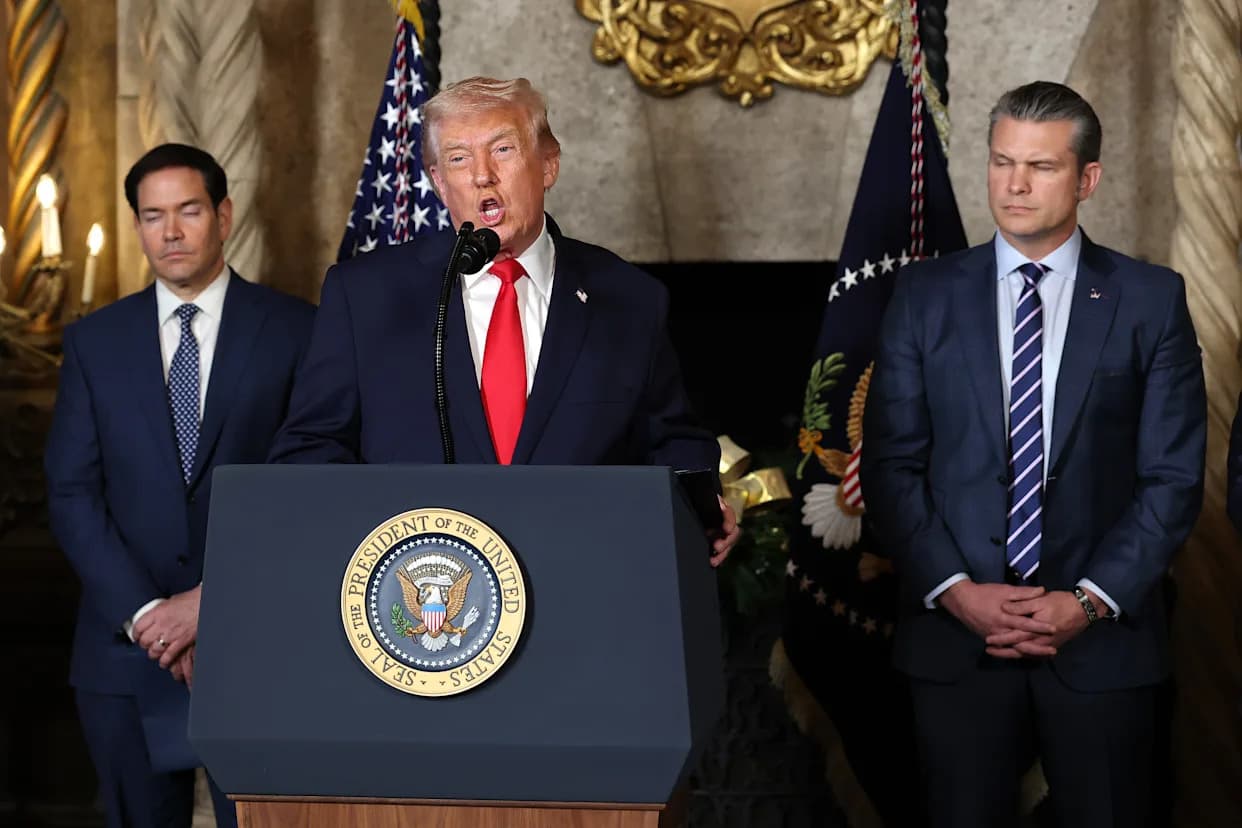
Pentagon offers no evidence to support claim it attacked Iran in defense
The Trump administration says it launched wide-ranging strikes to stop an imminent Iranian attack, but has not publicly produced evidence that Iran was preparing such an assault. The operation — conducted amid the largest U.S. military buildup in the region in decades — has prompted sharp questions from lawmakers, experts and some members of the administration about the timing, justification and intelligence behind the action.
Administration Rationale Arrives After The Fact
Officials only began offering a detailed public rationale more than 12 hours after the strikes began. The administration told reporters that planners judged American forces would have suffered higher casualties had they delayed, and that the president authorized the strikes after concluding Iran would not agree to halt uranium enrichment. Public statements by U.S. Central Command described the targets as those that posed an "imminent threat," naming air-defense, drone and missile launch sites and military airfields, but they did not cite specific time-sensitive intelligence shown publicly.
Congress, Briefings And Missing Evidence
Nearly 36 hours after the strikes, the Pentagon had not held the kind of public briefings traditionally offered after major operations. Some Hill staffers were briefed privately, but attendees said officials did not present clear evidence that Iran was preparing an imminent assault on U.S. forces. Senior defense and intelligence officials are scheduled to brief House and Senate members; officials said these briefings will provide additional details to lawmakers.
"Whatever imminent threat they're posing was likely in reaction to our unprecedented military buildup in the region," Sen. Andy Kim (D-N.J.) said, accusing the administration of retrofitting a justification for the strikes.
Intelligence, Attribution And Unverified Claims
An anonymous source told reporters the CIA had spent weeks cultivating contacts inside Iran and that that information informed the timing and selection of targets. The claim also included an assertion that senior Iranian figures were killed in the strikes; that specific allegation has not been independently verified and should be treated as unconfirmed. The Office of the Director of National Intelligence directed questions to the White House, and the CIA did not comment when asked.
Lawmakers And Experts Question The Case
Prominent lawmakers briefed on intelligence described seeing no clear evidence of an imminent, time-sensitive attack. Senate Intelligence Vice Chair Mark Warner (D-Va.) said he had seen no intelligence indicating that Iran was "on the verge of launching any kind of preemptive strike against the United States of America," and warned the president had "started a war of choice." Sen. Richard Blumenthal (D-Conn.) acknowledged threats from Iran and its proxies but said existing air- and missile-defense systems were managing those dangers.
Independent experts also argued the immediate threat was not evident. Daryl Kimball of the Arms Control Association noted that Iran would need months to produce enough fissile material for a nuclear weapon and years to rebuild damaged nuclear infrastructure. Richard Haass of the Council on Foreign Relations described the action as "preventive, not preemptive," underscoring concerns about escalation without clear public evidence.
What Comes Next
The administration has said operations will continue and has warned of potential U.S. casualties. Officials face pressure to provide clearer, corroborated evidence to Congress and the public to justify the strikes and to explain how the operation fits into broader U.S. strategic objectives in the region. Further briefings to lawmakers are expected to reveal more classified and unclassified details — but until verifiable intelligence is made public or convincingly shared with congressional leaders, skepticism is likely to persist.
The Pentagon did not respond to requests for additional comment for this report.
Help us improve.





















